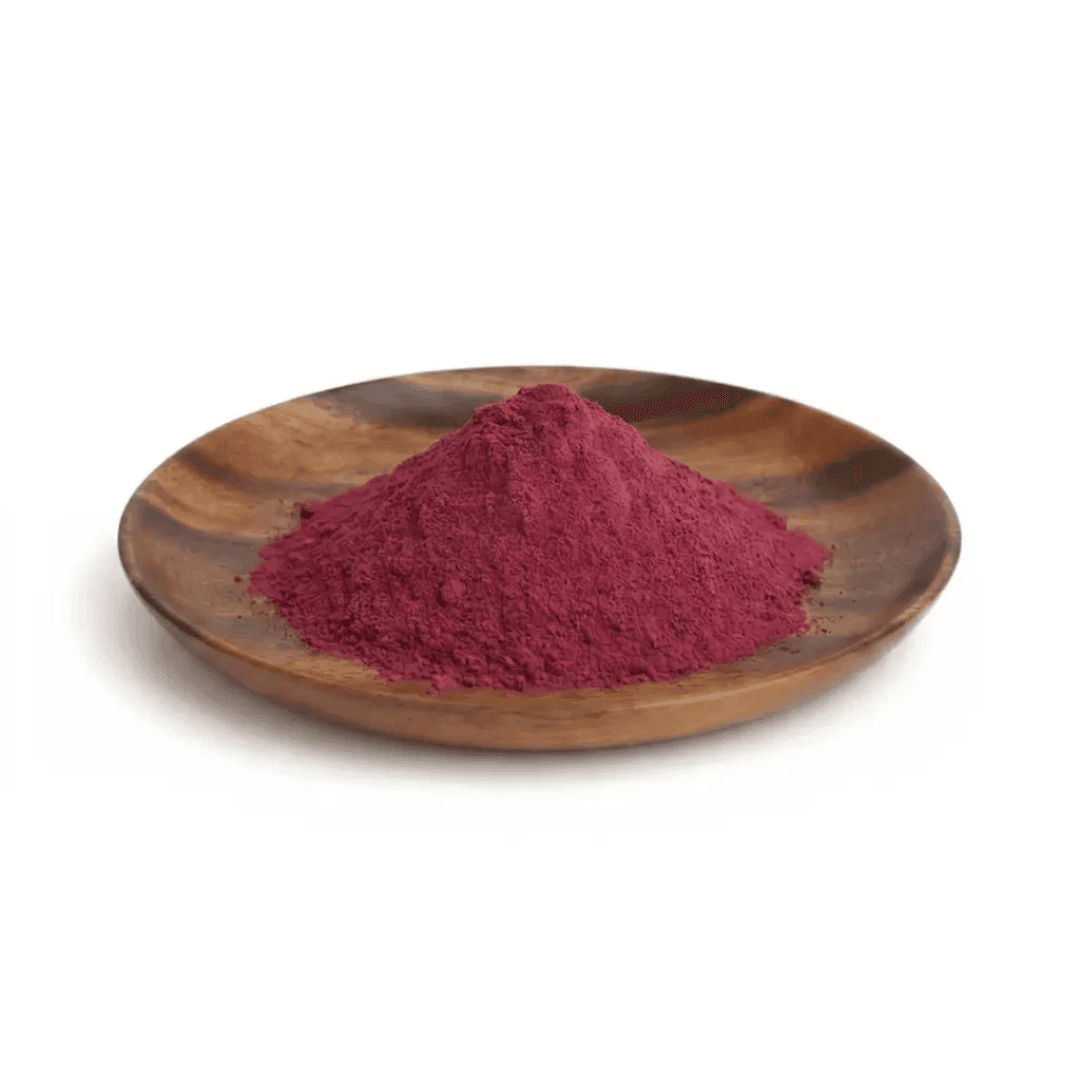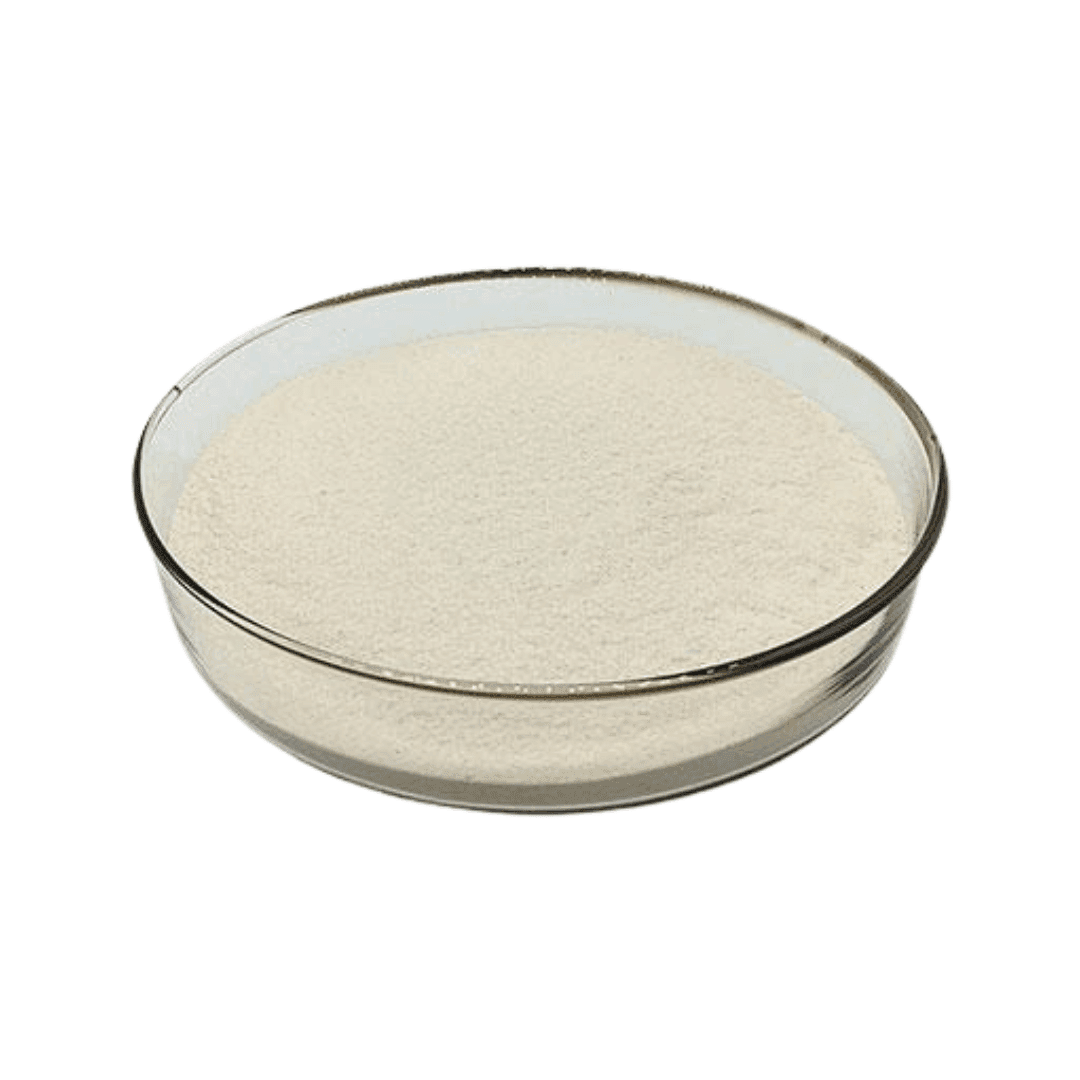
- Introduction
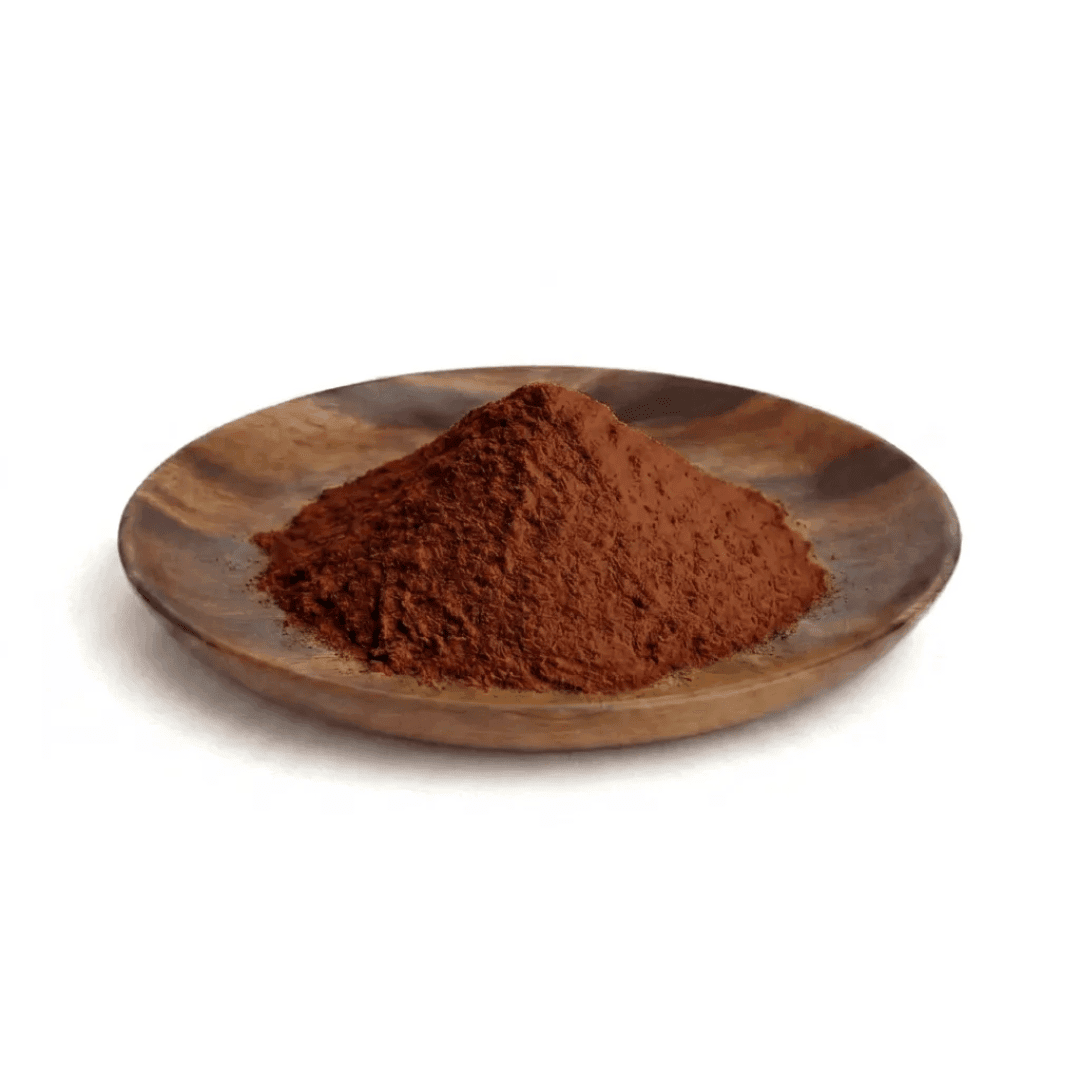
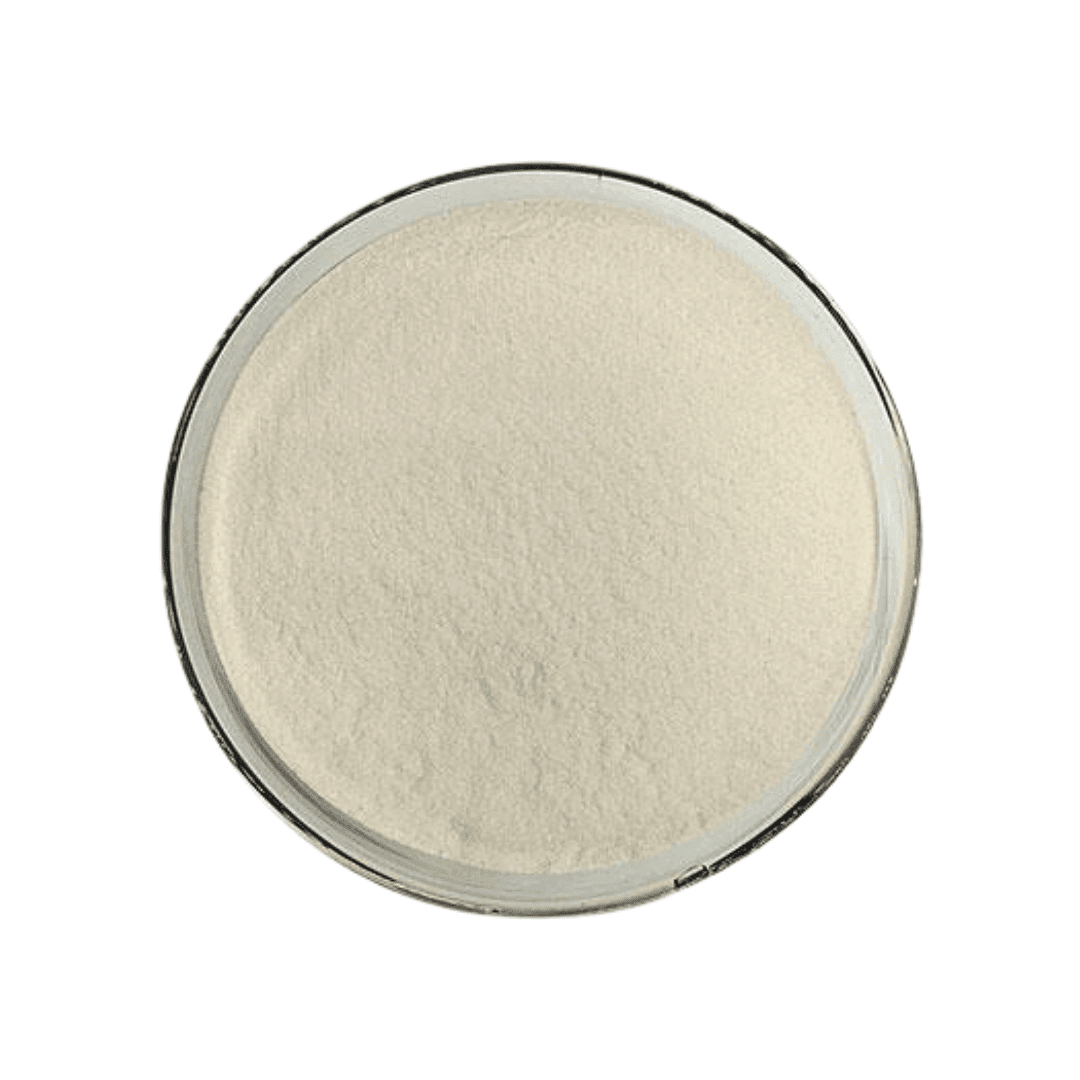
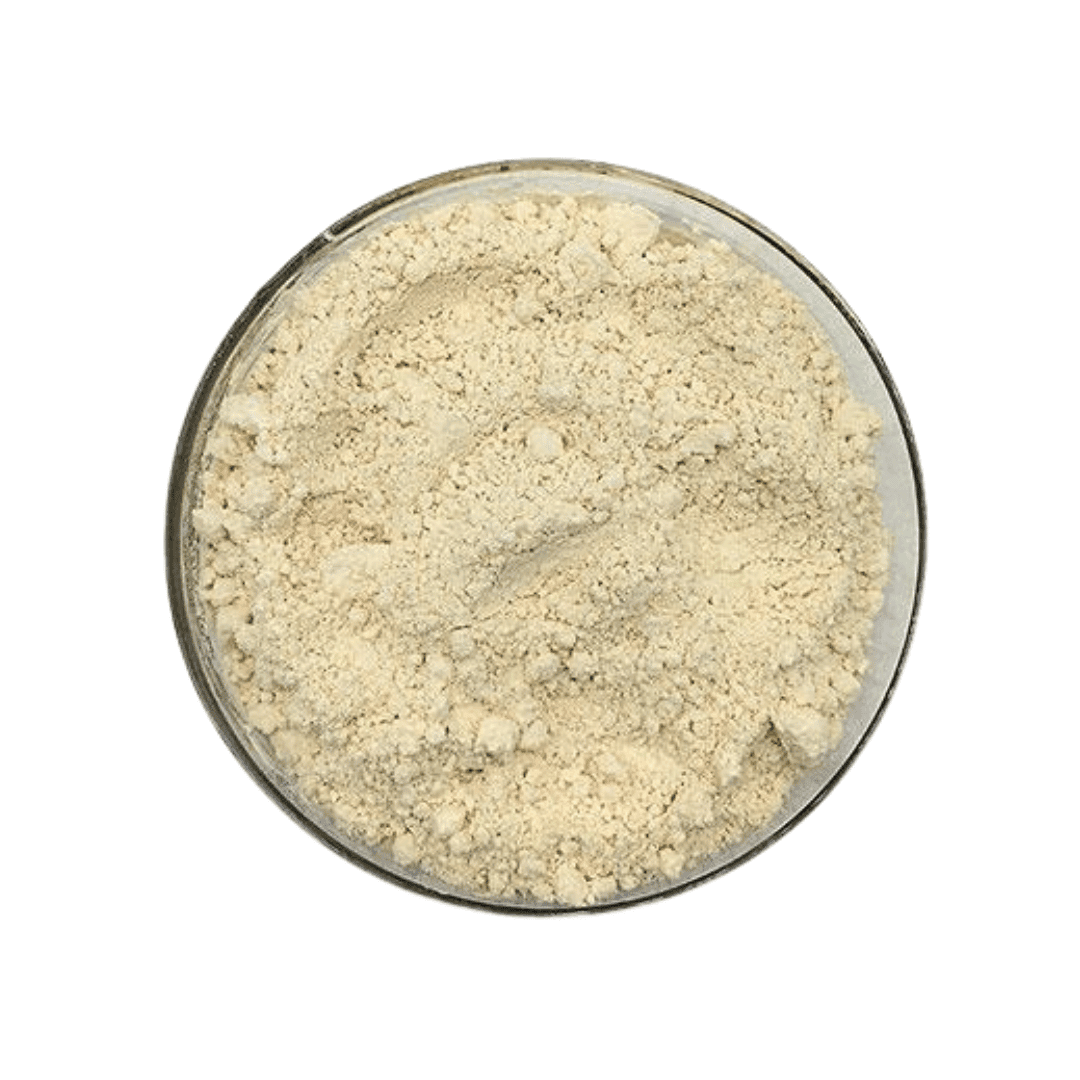
Konjac powder is produced by grinding the dried roots of the konjac plant. The process starts with peeling and washing the fresh konjac roots, followed by slicing them into strips or sheets. These pieces are then dehydrated and dried using specialized baking machinery. Afterward, the dried konjac pieces are processed through advanced equipment to crush, mill, and separate components such as starch, fiber, and other impurities, yielding the final konjac corm powder.
- Specifications
| Items | Specifications | Results |
| Glucomannan | NLT60.0% | Complies |
| Viscosity | 5000-40000 mpa.s | 33000mpa.s |
| Appearance | Off-white to light yellow powder | Complies |
| Odor | Characteristic | Complies |
| Particle size | 40-120mesh | Complies |
| Loss on drying | ≤2.0% | 1.5% |
| Heavy metals | ≤10ppm | <10ppm |
| Pb | ≤1ppm | <1ppm |
| As | ≤1ppm | <1ppm |
| Microbiological:Total Plate CountYeast & MoldE.CoilSalmonellaStaphylococcus | ≤1,000cfu/g≤100cfu/gNegativeNegativeNegative | 100cfu/g45cfu/gCompliesCompliesComplies |
| Conclusion | Conform with in house standard. |
- Production Process Flow
- Testing Procedure
The DNS method is used for determining konjac glucomannan content: Add 1.5 mL of 3,5-dinitrosalicylic acid reagent to the prepared konjac glucomannan hydrolyzate samples in volumetric flasks (following the same formula as for the standard curve), with distilled water serving as the blank control. Heat the mixture in a boiling water bath for 5 minutes, cool it down, and then dilute to 50 mL using distilled water. Measure the absorbance at 550 nm using a 721 spectrophotometer, calculate the average absorbance from the three samples, and reference it against the standard curve to find the corresponding value on the x-axis.
The glucomannan content is calculated as:
Glucomannan Assay =ϵT×100×100
In the equation:
ε represents the ratio of the residual molecular weights of mannose and glucose in glucomannan to their molecular weights after hydrolysis, where ε=0.9;
T is the value obtained from the colorimetric measurement on the standard curve;
m is the sample mass of konjac powder in mg.
- Benefits and Uses
(1) In the food sector, konjac powder serves as an ingredient for creating products like konjac tofu and various plant-based foods.
(2) It finds applications in industrial settings, such as producing eco-friendly biodegradable plastics.
(3) As a form of dietary fiber, konjac powder increases the thickness of digestive contents, slows gastric emptying, and reduces the absorption rate of nutrients, supporting weight management goals.
(4) The glucomannan component in konjac powder helps regulate blood sugar levels and offers anti-aging benefits.
- Practical Applications
Research indicates that konjac glucomannan (KGM) derived from konjac powder exhibits strong anti-aging properties. Notably, KGM achieves comparable results to Gypenoside (Gy) at just one-quarter of the dosage.
KGM's impact on aging-related markers is particularly evident in metrics like GSH-Px, CAT, SOD, and LPO, all of which are linked to free radicals in the body. This implies that KGM's anti-aging effects are tied to its ability to neutralize free radicals. Studies have shown that KGM can slow the aging of brain glial cells, heart muscle cells, and endothelial cells in major arteries, while also helping prevent atherosclerosis and enhancing cardiovascular, cerebral, and vascular functions.
The underlying mechanism involves KGM reducing the enterohepatic circulation of bile acids, lowering cholesterol levels, protecting endothelial cells from lipid-induced damage, and decreasing lipofuscin components, thereby promoting longevity.
- Stability and Safety Profile
Stability:
The product remains stable when stored under appropriate conditions, such as room temperature. A detailed stability data sheet can be requested.
Safety:
It is recognized as safe for human use according to the Generally Recognized As Safe (GRAS) guidelines from the United States.