1.Introduction
Konjac gum glucomannan powder, also referred to as KGM, is a polysaccharide obtained from the konjac tuber through processes such as drying, grinding, and refinement. It forms a high molecular compound by linking glucose and mannose units, making it an exceptional source of dietary fiber.
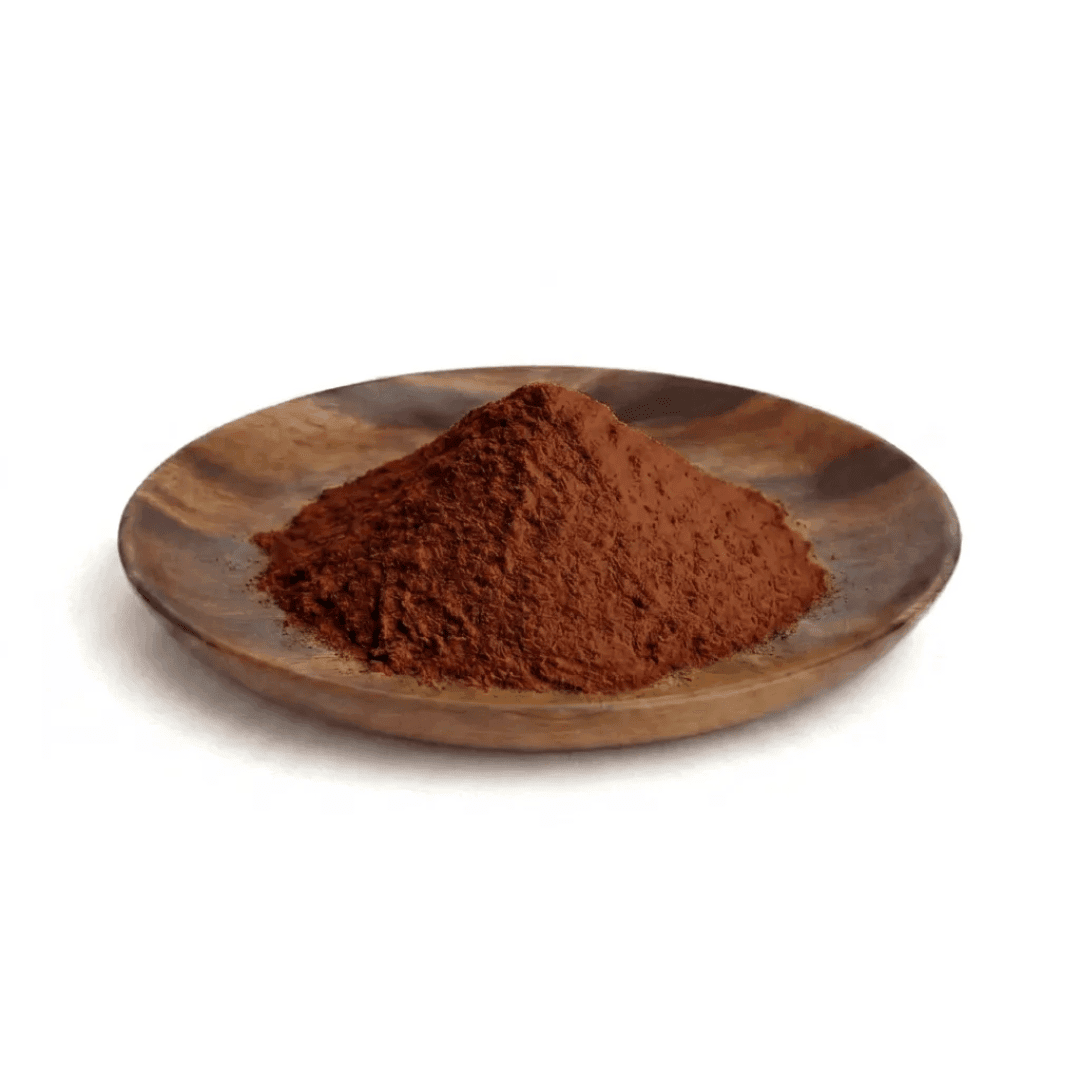
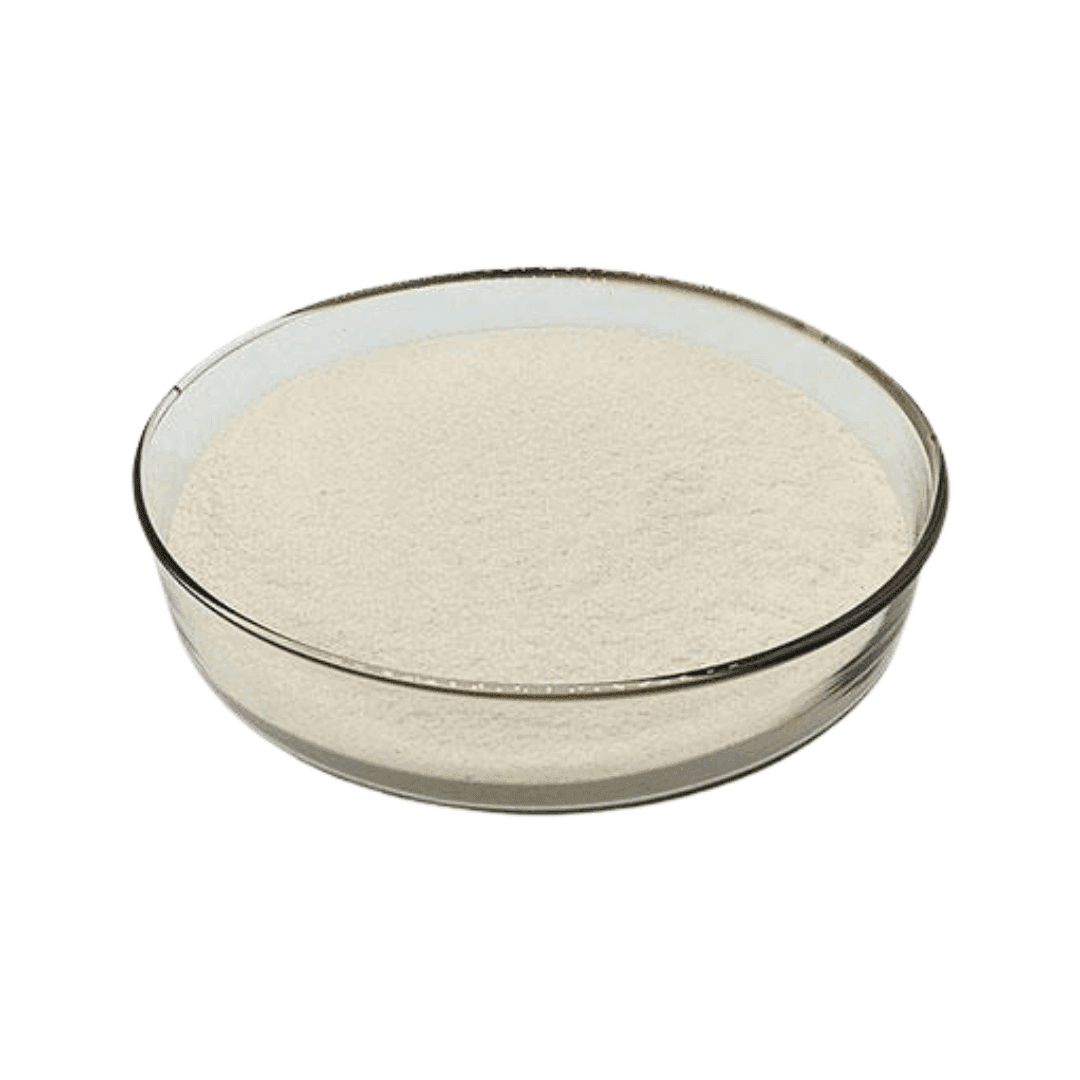
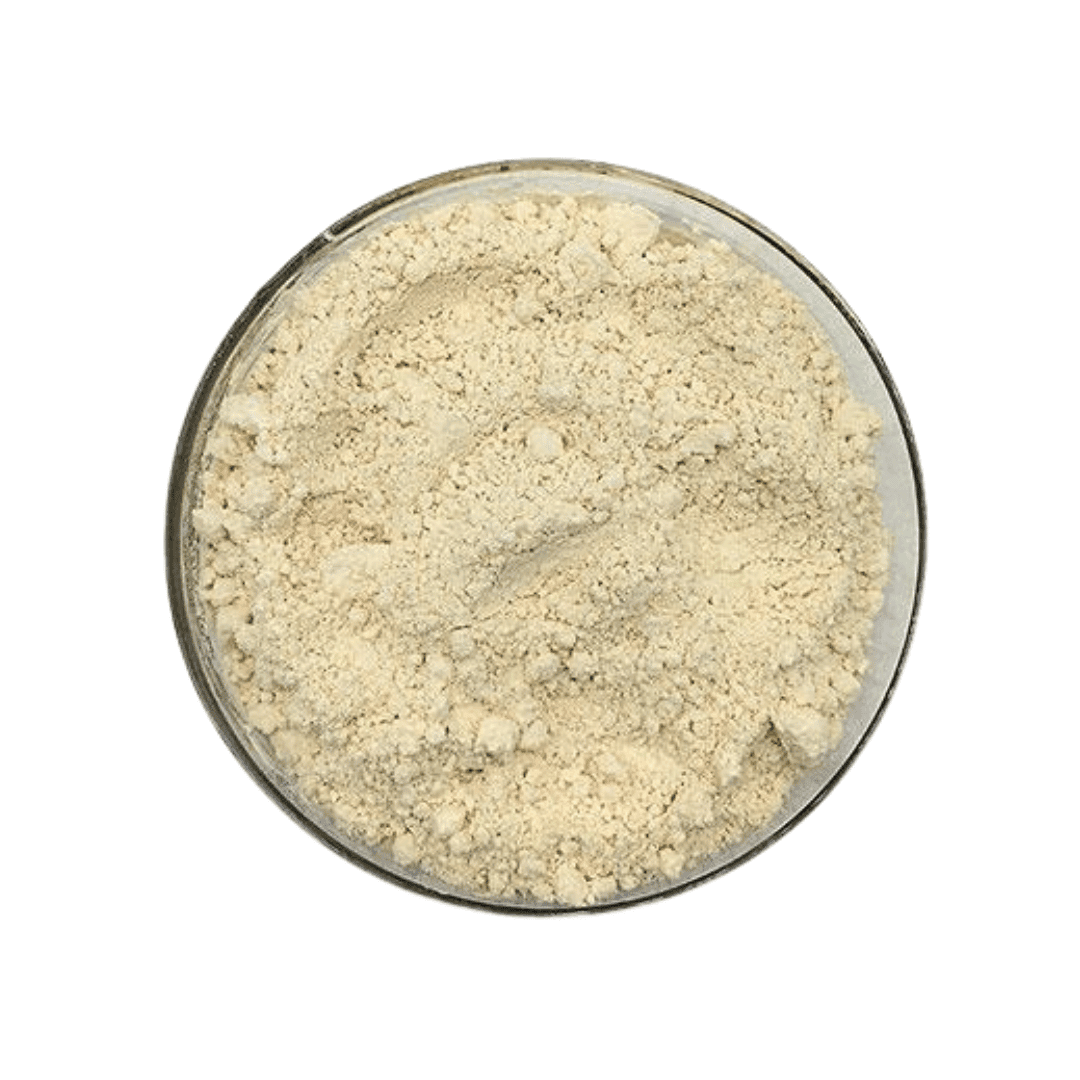
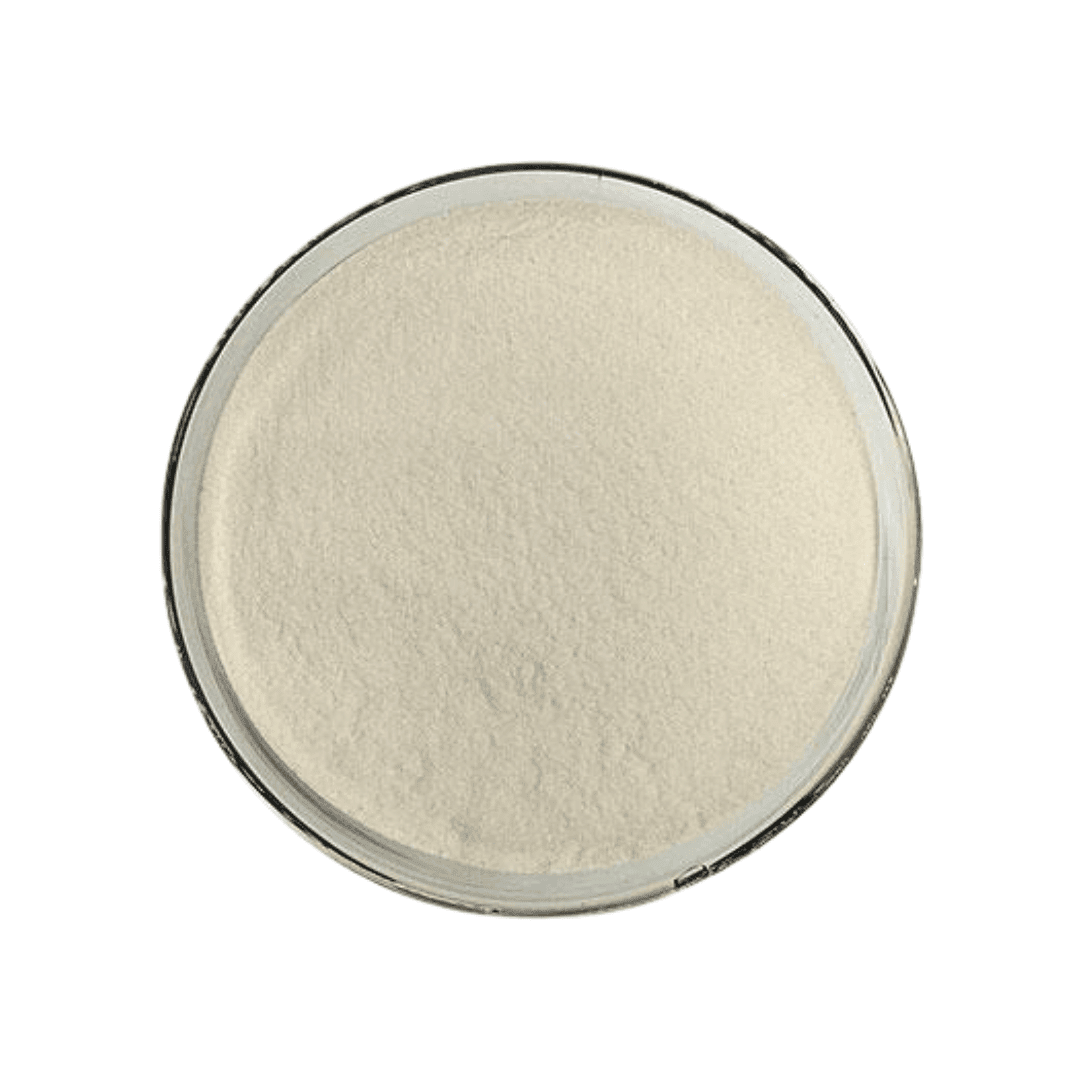
This powder appears as a white or off-white to light brown substance, with no distinct smell or flavor. It boasts key attributes including water retention, gel formation, thickening, binding, reversibility, suspension, film creation, and enhanced taste profile. As a result, it finds broad application in areas like healthcare, nutrition, and biological sciences.
- Specification
| Items | Specifications | Results |
| Glucomannan by HPLC | NLT90.0% | 91.5% |
| Viscosity | 5000-40000 mpa.s | 29500mpa.s |
| Appearance | Off-white to light yellow powder | Complies |
| Odor | Characteristic | Complies |
| Particle size | 100% pass 80mesh | Complies |
| Loss on drying | ≤2.0% | 1.5% |
| Heavy metals | ≤10ppm | <10ppm |
| Pb | ≤1ppm | <1ppm |
| As | ≤1ppm | <1ppm |
| Microbiological:Total Plate CountYeast & MoldE.CoilSalmonellaStaphylococcus | ≤1,000cfu/g≤100cfu/gNegativeNegativeNegative | 100cfu/g45cfu/gCompliesCompliesComplies |
| Conclusion | Conform with in house standard. |
- Flow Chart
- Test Method
- Function
(1). Konjac gum glucomannan powder is suitable for industrial applications.
Its water-based solution can form a sol-gel and create films. In the realm of fruit and vegetable preservation, konjac glucomannan serves as an active ingredient in preservatives due to its high viscosity, excellent stability, potent antibacterial effects, and ability to form a smooth, detailed membrane.
(2). It is effective in the biomaterials sector.
Konjac gum glucomannan powder offers strong film-forming capabilities, though the films may not be fully continuous and can have poor resistance to water and washing. Therefore, it is often modified to enhance film integrity, strength, water resistance, and moisture permeability.
(3). It applies to biomedical materials.
Konjac gum glucomannan powder exhibits outstanding sustained-release characteristics, making it a popular choice as an excipient for controlled-release pharmaceutical formulations.
(4). It is used in medical fields.
Konjac gum glucomannan powder provides benefits such as anti-tumor effects, weight management, blood pressure reduction, and lipid-lowering properties.
Konjac is a root-based plant, commonly known as glucomannan, with extensive cultivation in China. It can be turned into konjac flour, which includes glucomannan—a high molecular compound with exceptional water absorption. Upon absorbing water, its volume can increase by 80–100 times, and it is readily digestible.
China stands as the leading producer of konjac, with additional growth in regions like Japan and Southeast Asia.
Konjac is the primary economic crop for supplying large quantities of mannan. Its potential in food and medical sectors continues to expand. It contains over 10 essential amino acids and various trace elements required by the human body, along with low protein, low fat, and high fiber content. It features strong water absorption, high expansion, and benefits including blood lipid reduction, blood sugar control, blood pressure management, weight loss, beauty enhancement, health support, and improved bowel function.
Konjac flour also contributes significantly to agriculture, medicine, and other industries.
- Application
Use of Konjac gum glucomannan powder in food processing;
KGM possesses traits like water affinity, thickening, stabilization, emulsification, suspension, gelation, and film formation. It serves as a base for numerous food additives and is extensively utilized in the food sector.
- Acts as a stabilizer in ice cream, resulting in a smooth and creamy texture;
- Functions as an additive in baked goods such as biscuits and cakes, yielding a polished appearance, airy consistency, enhanced structural integrity, and improved noodle durability;
- Serves as a foam stabilizer in beer, producing fine, uniform bubbles that persist after pouring;
- Works as a clarifier for juices and alcoholic beverages;
- Operates as a food preservative to curb the growth of aerobic microbes, extending the shelf life of eggs, meat, fish, fruits, and vegetables.
Use of Konjac gum glucomannan powder in medicine;
Konjac powder helps prevent constipation, lower blood lipids and sugars, support weight management, and promote overall health.
It is incorporated into contact lenses and medical optical devices;
Adding it to eye care solutions can prevent dryness in eyes and lenses;
After sterilization, konjac gel can aid in stopping bleeding and accelerating wound recovery;
It can be formulated into remedies for reducing blood lipids, blood sugar, aiding weight loss, and enhancing bowel movements.
Use of Konjac gum glucomannan powder in agriculture;
When dissolved in water, konjac forms a gelatinous solution. When applied to fruits and vegetables, it creates a colorless, transparent semi-permeable layer on the surface, blocking oxygen entry and slowing the release of CO2 from respiration, thereby preserving freshness effectively.
Konjac gum glucomannan powder can also serve as an additive in animal feed, where feeds made from it exhibit good water stability, minimal loss of granules and crude protein, and retain appropriate hardness and elasticity when submerged.
Use of Konjac gum glucomannan powder in other industries;
It acts as an adhesive additive in papermaking, printing adhesives, rubber, ceramics, and photographic films;
In the petroleum industry, it functions as a treatment agent for drilling mud and as an injection agent for pressure fluids, improving project quality and efficiency;
It is used to create colloids in bioengineering for electrophoretic separation;
In textiles, it serves as a sizing agent for wool, hemp, and cotton yarns, a paste for silk double-sided printing, and a softening agent for post-treatment;
In tobacco processing, it protects aromas;
In cosmetics, it is added to creams and shampoos;
For wastewater treatment, it embeds bactericides for slow release;
As a dust-control agent in construction, it can be mixed with alkalis and surfactants and sprayed on surfaces of buildings and roads under demolition or repair to minimize dust;
After processes like esterification, molding, saponification, and crosslinking, it becomes a filler for ion exchange chromatography; and following chemical modification and activation, it acts as a carrier for immobilizing enzymes or cells.
- Stability and Safety
Stability:
Remains stable under appropriate conditions, such as room temperature. A Stability Data Sheet can be provided upon request.
Safety:
As per the Generally Recognized As Safe (GRAS) notice in the US, it is considered safe for human use.