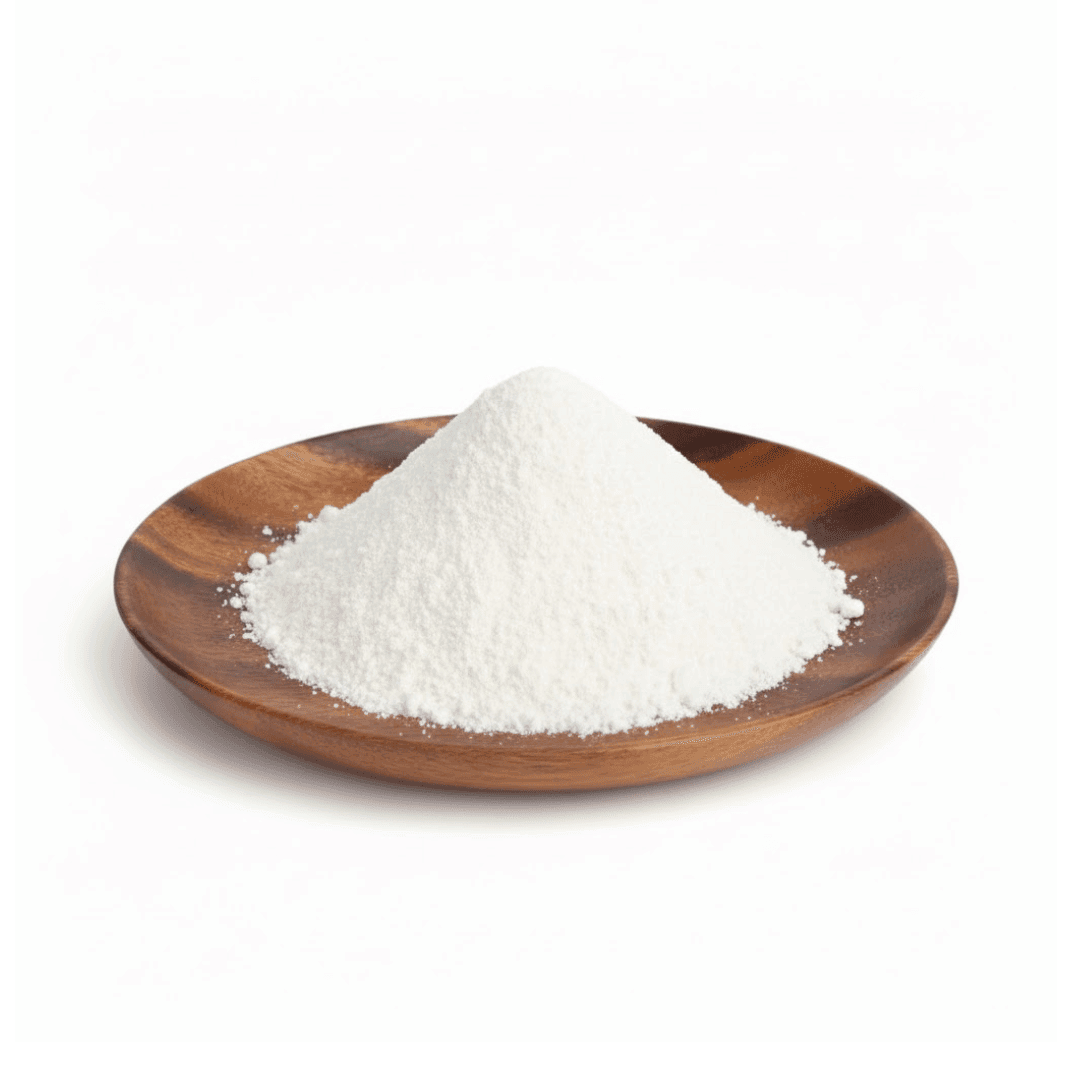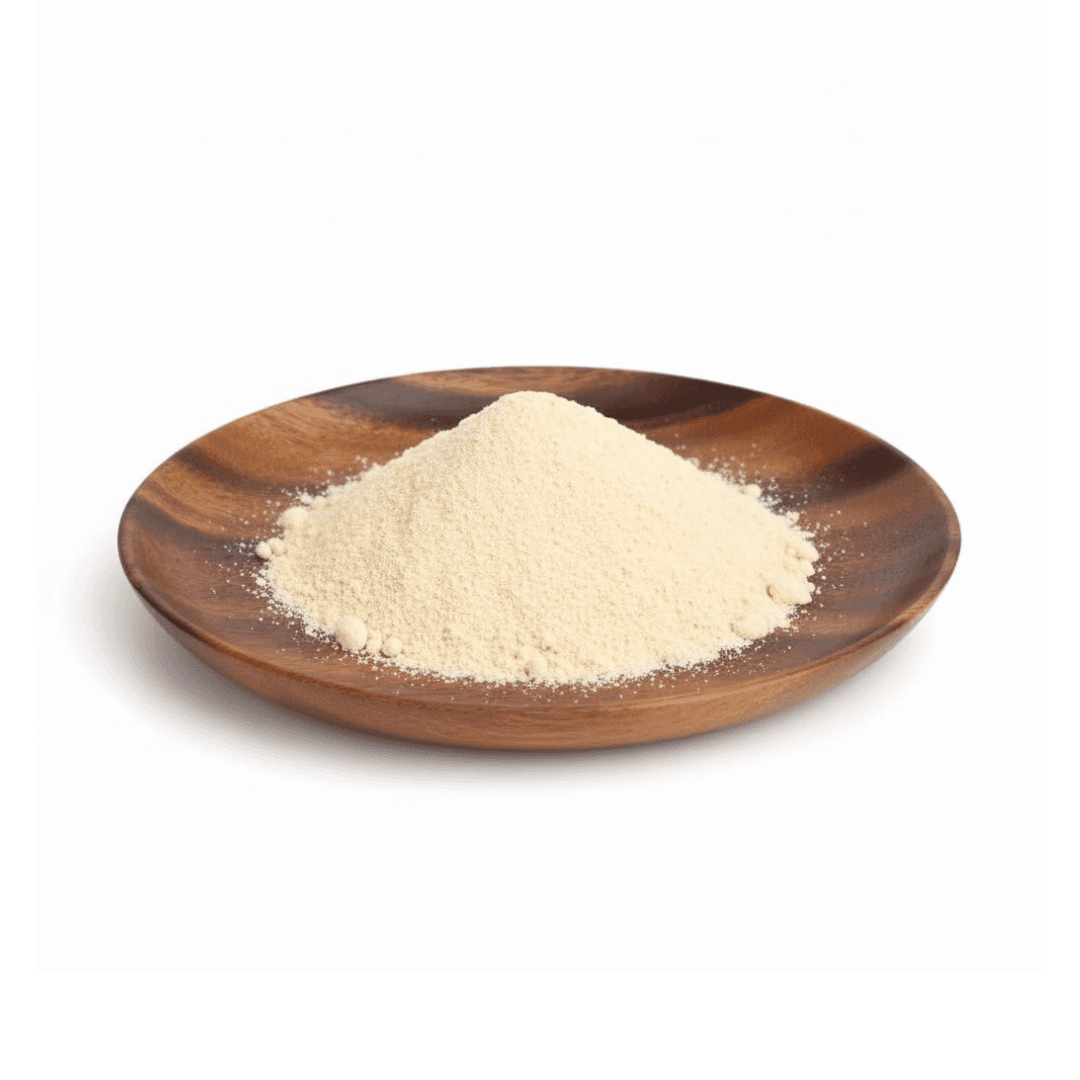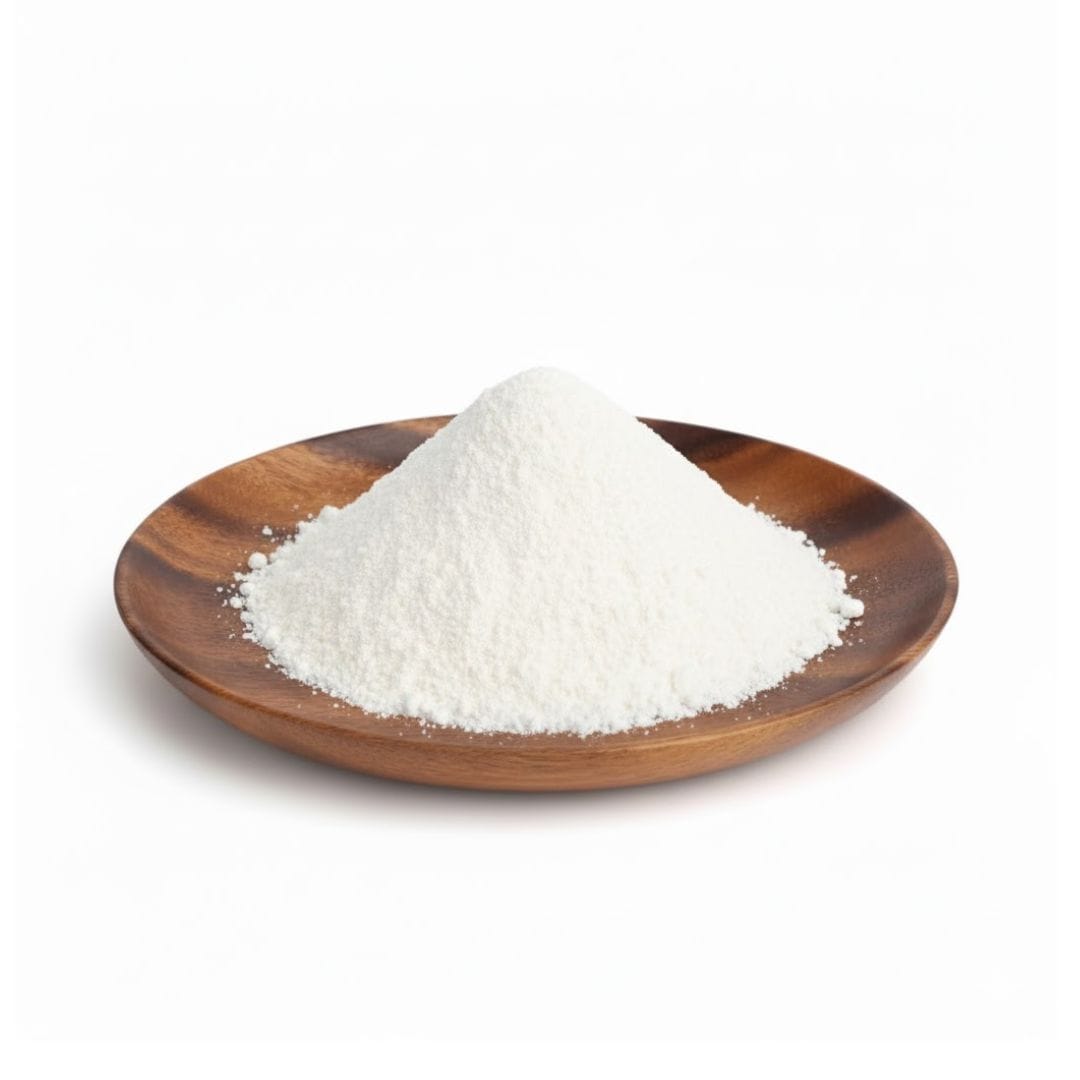
- Introduction
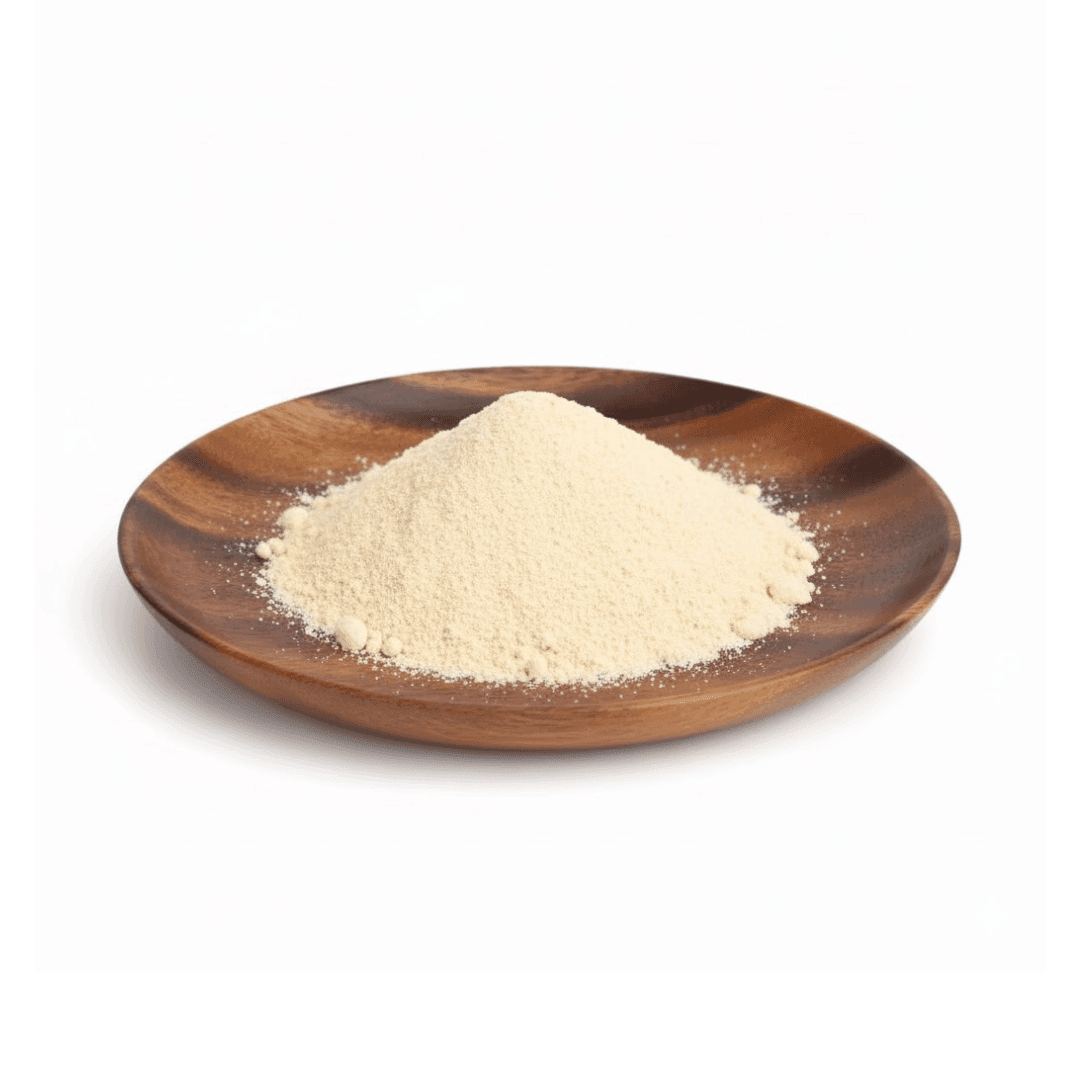
Pistachio Protein comes from the pistachio tree, a perennial deciduous fruit tree belonging to the genus Pistacia in the Anacardiaceae family. Wild varieties originated in the mountainous regions of Central Asia and West Asia. Cultivation began in West Asia around 3,500 years ago, in Central Asia about 2,000 years ago, and in Europe approximately 1,500 years ago. Pistachios reached California in 1854 and saw widespread U.S. cultivation starting in 1970. Today, leading global producers include the United States, Turkey, Iran, Greece, Syria, Afghanistan, and others. China received introductions from Persia (Iran) during the Tang Dynasty, boasting a cultivation history of roughly 1,300 years. [1] The fruit is packed with vitamins, minerals, and antioxidants. It stands out for its low fat, low calorie, and high fiber content. It offers health benefits for cardiovascular and cerebrovascular conditions, age-related retinopathy, and anti-aging. As a top choice in the global nut market, it's a favored healthy snack. In recent years, it has risen to become the world's fifth-largest nut crop. [2] The tree thrives in tough environments, showing strong resistance to drought, heat, and saline-alkali soils, making it suitable for large-scale planting in arid zones and hilly terrains.
Pistachio powder + water
↓
Mix and adjust pH
↓
Hydrolysis
↓
Separate
↓
Refined
↓
Concentrate
↓
Spray drying
↓
Packaging finished products
- Quality Standard
3.1. Safety precautions: Certain reagents in these standard test methods may be toxic or corrosive. Follow applicable regulations carefully during handling. Rinse immediately with water if contact occurs with skin, and seek medical attention for severe cases. Perform operations involving volatile acids in a fume hood.
3.2. Unless specified otherwise, reagents and water in this standard refer to analytical-grade reagents and Grade III water as per GB/T 6682. Standard solutions, impurity standards, preparations, and test samples should be prepared following GB/T 601, GB/T 602, and GB/T 603 unless indicated differently. Test solutions are aqueous unless another solvent is noted.
3.3. Identification tests – Reagents and materials
3.3.1 Siraitia grosvenorii sweet glycoside V reference: purity ≥98%.
3.3.2 Sulfuric acid.
3.3.3 Acetic anhydride.
3.3.4 Silica gel TLC plate: activate at 110°C for 1 hour prior to use.
3.3.5 Developing solvent: methanol : butyl acetate : water = 15 : 15 : 4.
3.3.6 Methanol solution: add 70 mL methanol to a 100 mL volumetric flask and dilute to volume with water.
3.3.7 Sulfuric acid solution: 10%, 1→10 dilution.
3.3.8 Siraitin V reference solution: dissolve 5-10 mg siraitin V reference in 1-3 mL methanol solution.
3.4 Identification procedure
3.4.1 Color reaction: To 5-10 mg sample (dried basis), add 2 mL acetic anhydride, heat gently for 2 minutes, then slowly add 0.5 mL sulfuric acid. A reddish-brown color appears at the interface.
3.4.2 Thin-layer chromatography: Dissolve 0.05-0.1 g sample in 1-3 mL methanol solution to make the test solution. Spot 2 μL each of test and reference solutions on the TLC plate (sampling line 2.0 cm from bottom; dry between spots). Develop in pre-equilibrated chamber until solvent front reaches ~10 cm above spotting line. Remove, air-dry, spray evenly with sulfuric acid solution, and heat at 105°C for 10 min. Siraitia grosvenorii sweet glycoside V spot shows dark purple. Test solution yields a matching Rf value and color spot.
Chromatogram
Functions
Pistachio protein is abundant in proteins and vitamins, promoting cell vitality, boosting overall vitality, and providing anti-aging benefits.
It contains substantial healthy fats that lubricate the intestines, ease constipation, and support faster waste elimination.
In the digestive tract, pistachio protein slows sugar absorption into the bloodstream, preventing dangerous glucose spikes that harm health. For those with diabetes, moderate intake aids in managing and preventing complications.
Adding pistachios to high-glycemic foods like rice or noodles can lower post-meal glycemic index by 20-30%. It also supports lung cancer prevention.
Studies from the American Cancer Research Association indicate that consuming two ounces of pistachios daily reduces risks of lung cancer and other cancers.
Thus, it's ideal as a meal replacement for those with weakened constitutions.
- Application
Nutrition experts from Mexico note that pistachios provide ample fiber, helping maintain steady blood sugar levels with moderate consumption. They suggest diabetics opt for pistachio-based salads or nuts with thin shells instead of regular snacks. The fiber delays sugar entry into the blood, averting high glucose threats. Incorporate into lunches or afternoon teas. Pairing with fruits slows fruit sugar uptake, avoiding blood sugar surges. Proper pistachio intake benefits diabetic complication prevention. [5]
Inhibit cholesterol uptake
Pistachios are loaded with vitamins A, B, and especially E for vitality and anti-aging, plus antioxidant lutein for eye health. Dubbed a "heart's ally," research from the University of Virginia shows pistachios and sunflower seeds top nuts in phytosterol content. This compound blocks cholesterol absorption, accelerates its breakdown and metabolism, curbs its synthesis, and helps prevent cardiovascular issues.
- Stability and Safety Study
Extensive stability and safety evaluations on this product confirm its reliable performance under accelerated and long-term conditions. Animal clinical trials demonstrate its safety.
- Third Party Test Report
Over the years, we've conducted multiple third-party tests via labs like SGS, Eurofins, and Pony. We can accommodate any testing needs. Below are sample reports for reference.
| Analysis | Specification | Results |
|---|---|---|
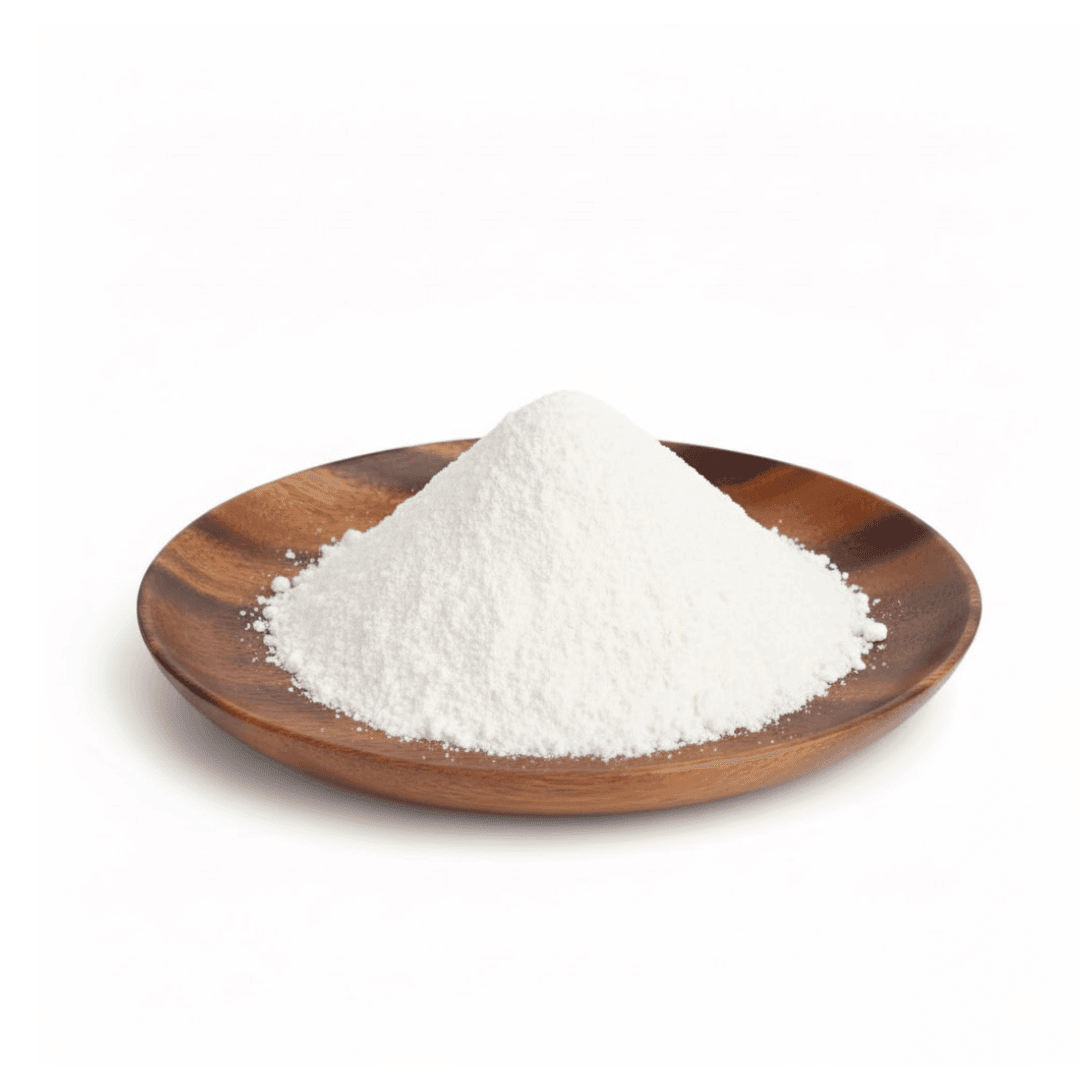
| Appearance | White powder | Complies |
| Odor and taste | Characteristic | Complies |
| Sieve analysis | 100% pass 80 mesh | Complies |
| Water | ≤4.0% | 1.5% |
| pH | 5.2-7.2 | 6.1 |
| Iron Saturation | 9.1%-12.5% | 9.75% |
| Ash | 0.61%-0.86% | 0.67% |
| Loss on Drying | ≤5.0% | 1.95% |
| Heavy Metals | ||
| Pb | ≤0.3 mg/kg | Complies |
| Cd | ≤0.1 mg/kg | Complies |
| Hg | ≤0.01 mg/kg | Complies |
| Microbiology: | ||
| Total Plate Count | <1000 cfu/g | Complies |
| Yeast & Moulds | <100 cfu/g | Complies |
| Enterobacteria | <100 cfu/g | Complies |
| E. Coli | Negative | Complies |
| Salmonella | Negative | Complies |
- Certifications
Botanical Essence holds certifications including HALAL, Kosher, ISO22000, HACCP, EU, and USDA Organic from accredited bodies.
- Patent
Years of dedicated R&D have led to securing relevant patents for this product in China.
- Main Clients
Botanical Essence serves as a key supplier to renowned global manufacturers in food, pharmaceuticals, and cosmetics.
- Exhibitions
We regularly participate in events like CPhI, FIC, Vitafoods, and SupplySide West to grow our reach worldwide, hoping Botanical Essence products benefit people everywhere.
- Customers Feedback
With warehouses in Miami, USA, and Italy, EU, plus online stores on Alibaba, we ensure seamless transactions—strategies our customers appreciate.