- Introduction
Protein powder from mushroom sources is derived from oyster mushrooms. In every 100 grams of fresh mushrooms, there are 2.9 grams of superior protein, 0.2 grams of fat, 2.4 grams of carbohydrates, 0.6 grams of dietary fiber, 8 mg of calcium, 66 mg of phosphorus, 1.3 grams of iron, 0.16 mg of vitamin B, 3.3 mg of niacin, and 4 mg of vitamin C. Moreover, it includes non-specific lectins, tyrosinase, and various other compounds, positioning it as a highly nutritious edible fungus and a versatile component for many culinary preparations.
- Function
Mushroom-derived protein powder is abundant in lysine, a vital amino acid required by the body. Lysine supports growth in height and weight, bolsters immunity against illnesses, elevates hemoglobin levels, and enhances cognitive abilities.
Mushrooms also feature interferon-inducing compounds that promote interferon production, offering strong protection against viruses like vesicular stomatitis and encephalitis. Extracts from fresh mushrooms in tablet form can aid in managing ongoing or long-term hepatitis, making them beneficial for individuals with liver conditions. Additionally, mushrooms help reduce blood cholesterol levels. The protease and tyrosinase enzymes found in mushrooms contribute to blood pressure regulation, rendering them an excellent wellness option for those with high blood pressure or heart-related issues.
As a protein-rich food, mushrooms provide about 26% protein based on fresh weight and 27% on dry weight, including all essential amino acids humans need, with particularly high levels of leucine, lysine, and valine. They are also a source of numerous vitamins, excluding vitamin A. The presence of 5'-guanylic acid and sodium glutamate acts as natural flavor boosters, giving mushrooms a savory taste. White mushroom varieties assist in blood pressure control and support hepatitis therapy; recent discoveries have identified broad-spectrum antibiotics within them that combat cancer cells and bacteria. The ribonucleic acid in mushroom extracts encourages the body's interferon response and curbs viral replication. Mycelium from advanced cultivation processes can yield protein, oxalic acid, and polysaccharides. Post-harvest compost retains substantial amounts of mycelium, rich in crude protein and fiber, suitable for animal feed applications.
- Application
Mushroom-derived protein powder aids in boosting milk production. For nursing mothers, consuming it can enhance breast milk supply, particularly for those experiencing low lactation, serving as an excellent source of nourishment. It delivers added nutrients and vitality to infants through improved maternal intake.
Medicinal Use: Varieties like reishi, chaga, and turkey tail are incorporated into traditional remedies and natural wellness products. They are valued for their capacity to strengthen the immune system, reduce inflammation, and provide antioxidant support.
Nutritional Supplements: These are formulated into supplements packed with vitamins, minerals, and active compounds. Such products are promoted for benefits like better vitality, sharper mental performance, and general health enhancement.
Food and Beverage Industry: Mushroom extracts serve as natural umami enhancers in culinary and drink applications. They impart a distinctive savory depth to recipes, condiments, stews, and stocks.
Cosmetics and Skincare: Incorporated into beauty and personal care items for their anti-aging, hydrating, and calming effects on the skin. They can enhance skin firmness, minimize fine lines, and foster a radiant appearance.
Agriculture and Horticulture: Employed in farming to stimulate crop development, enrich soil quality, and defend against insects and pathogens. They function as organic fertilizers, natural fungicides, and growth promoters.
Industrial Applications: Utilized in manufacturing for processes like biofuel generation, pollution cleanup, and water purification. Select mushroom types excel at degrading organic contaminants and harmful substances, proving useful for eco-friendly initiatives.
- Test Report
| Test Item | Specification | Test Result |
| Protein | ≥ 80.0% | 82.07% |
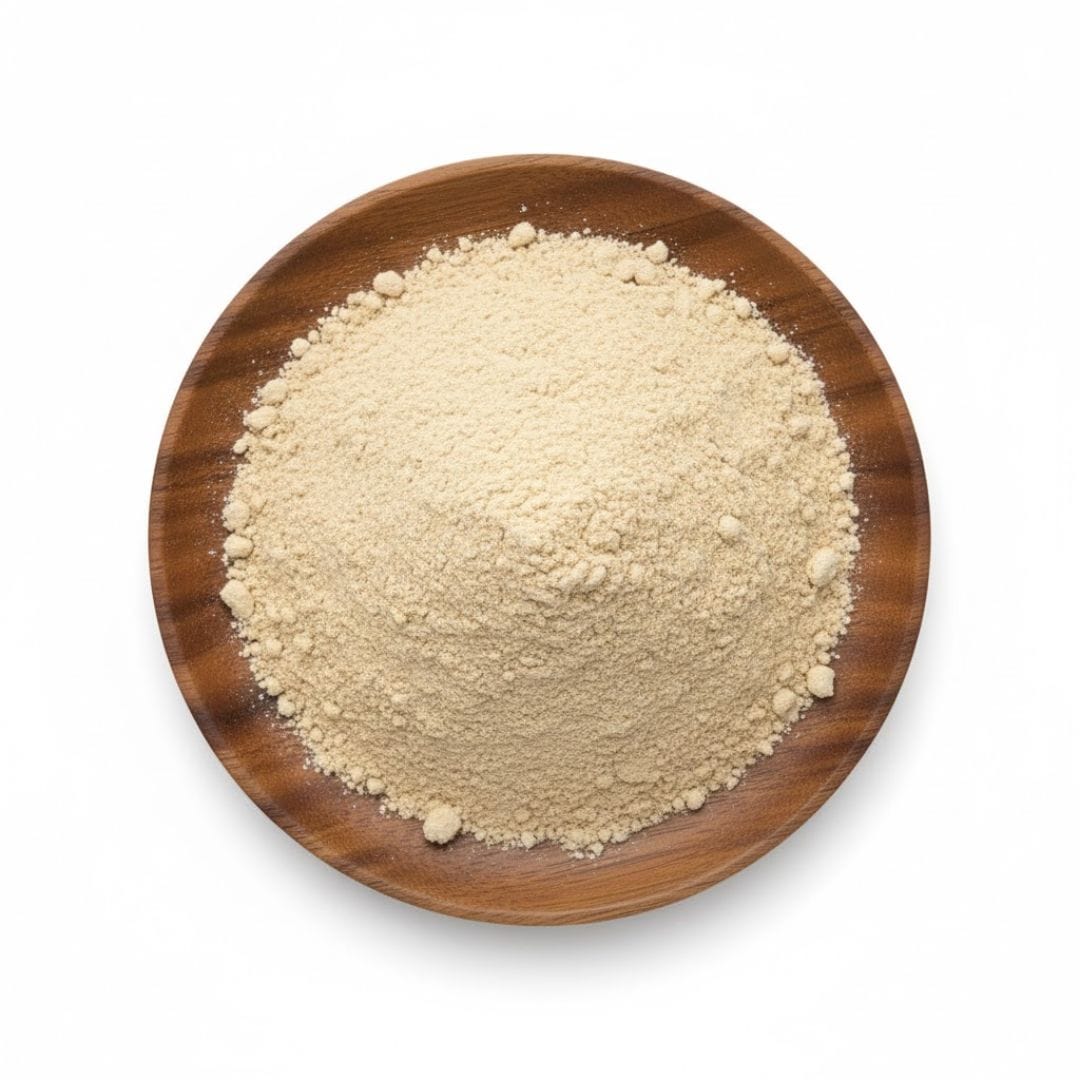
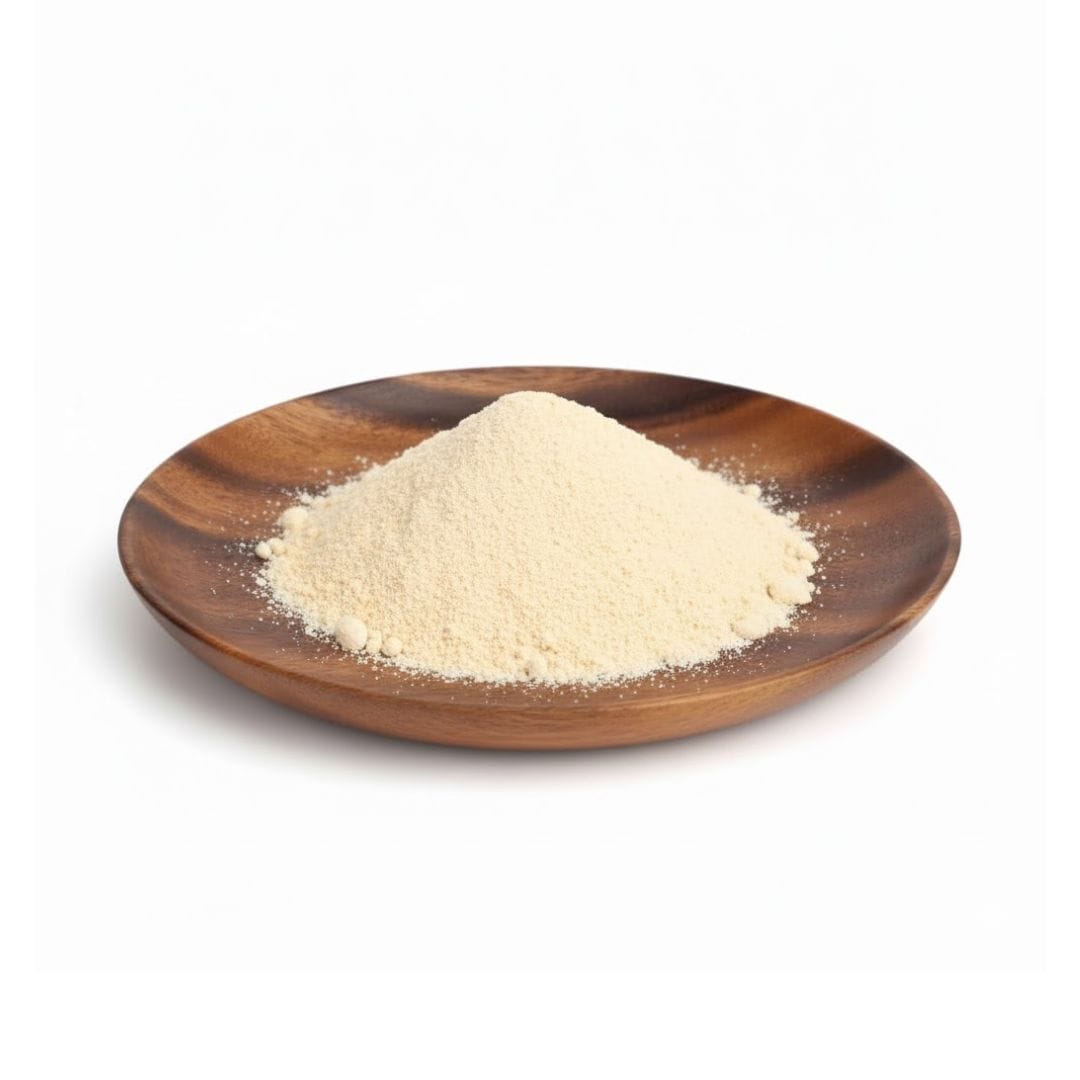
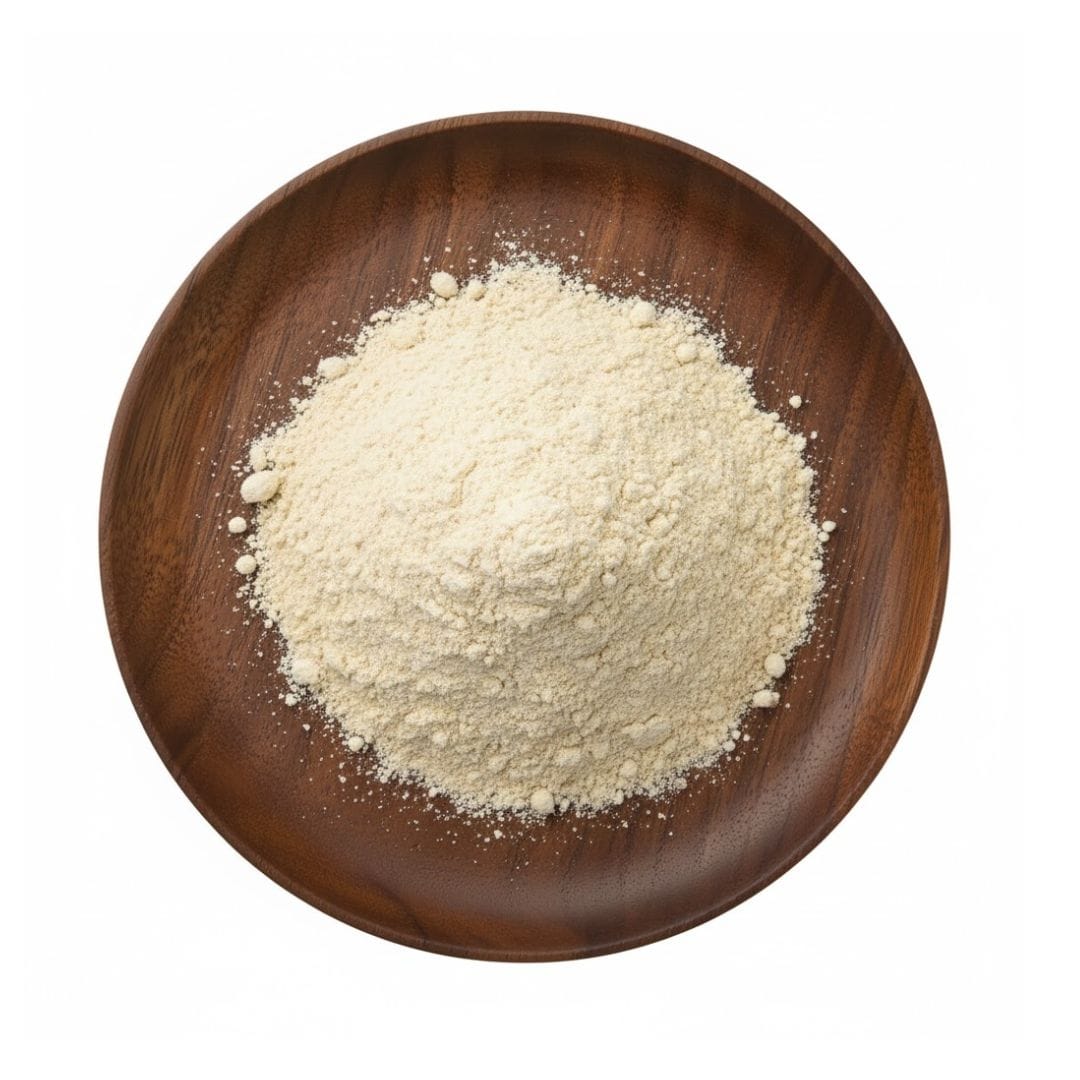
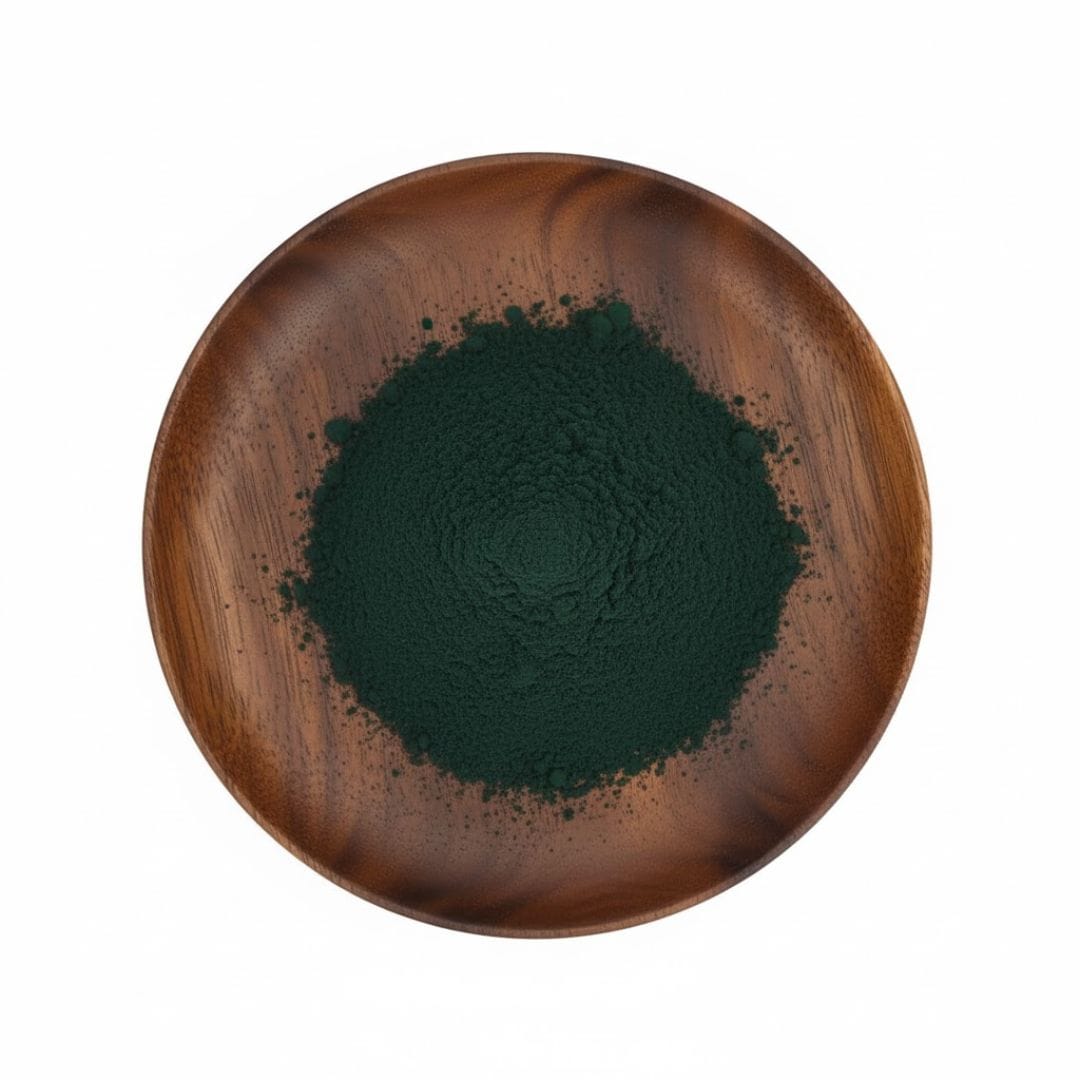
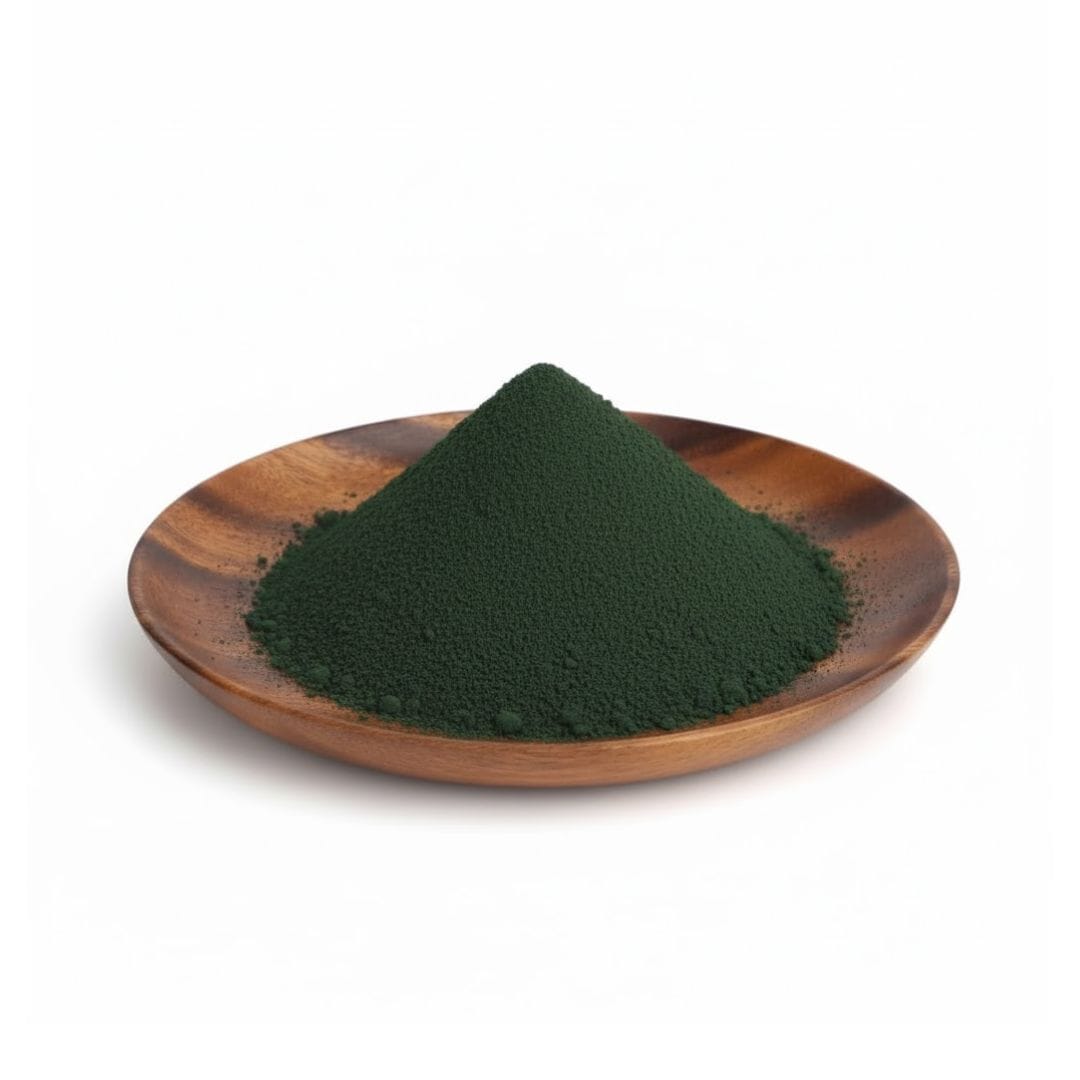
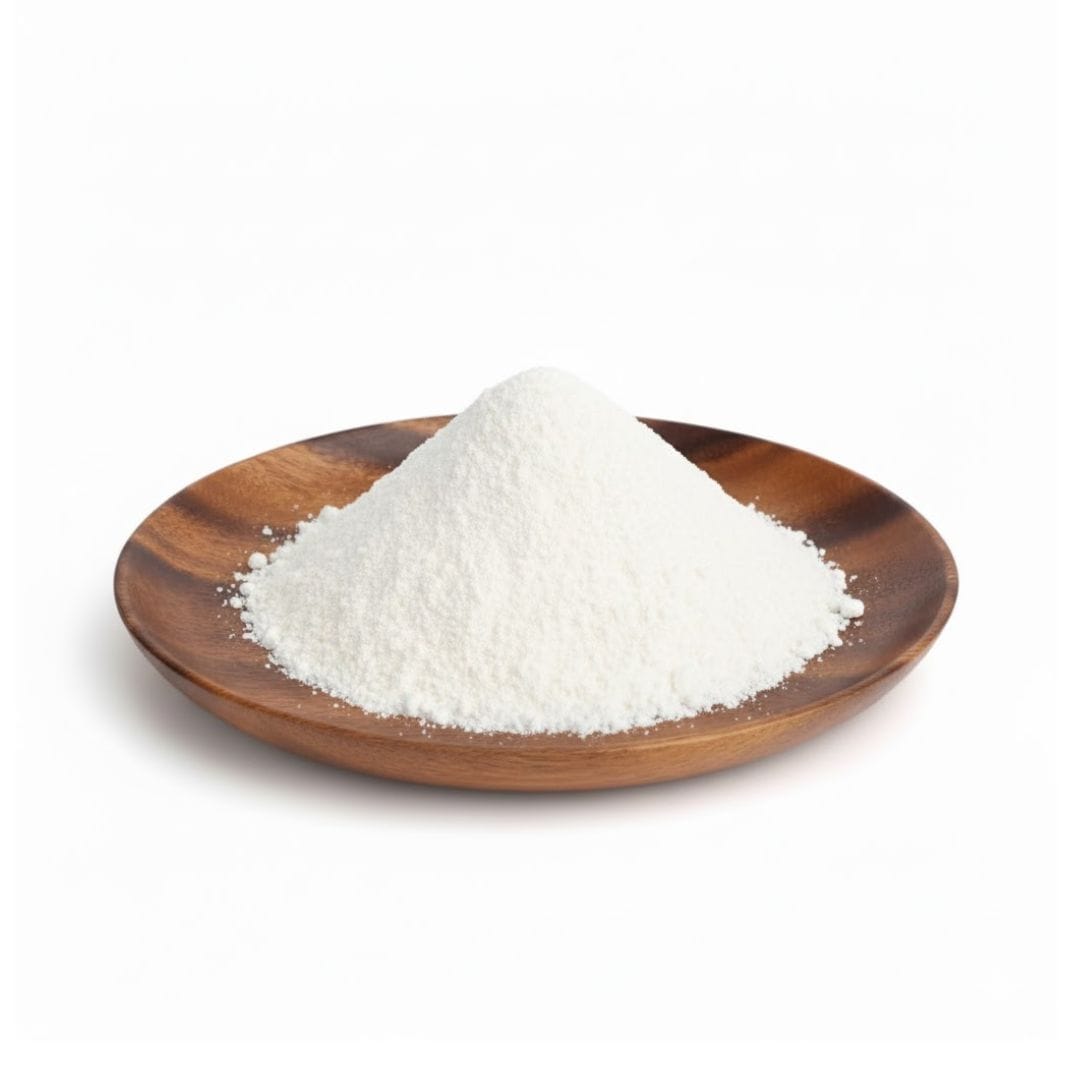
| Appearance | White to light yellow fine powder | Complies |
| Odor | Characteristic | Complies |
| Mesh Size | 95% through 80 mesh size | Complies |
| Fat | ≤ 3.0% | 1.8% |
| Moisture | ≤ 10.0% | 5.7% |
| Ash | ≤ 5.0% | 3.9% |
| Heavy Metal | ≤ 10 ppm | 10 ppm |
| Arsenic (As) | ≤ 2 ppm | 2 ppm |
| Lead (Pb) | ≤ 1 ppm | 1 ppm |
| Microbiological | ||
| Total plate count | ≤ 1,000 cfu/g | Complies |
| Saccharomycete & Mold | ≤ 100 cfu/g | Complies |
| Coliform | Negative | Negative |
| Salmonella | Negative | Negative |
| Staphylococcus aureus | Negative | Negative |
5. Mushroom Protein Powder Production Flow Chart
- Selection of Mushroom Species
(e.g., Shiitake, Oyster, Lion’s Mane, or high-protein strains like Pleurotus spp.)
↓ - Cultivation & Harvesting
- Grown on sterilized substrates (sawdust, straw, grain)
- Harvested at optimal maturity for protein content
↓ - Cleaning & Washing
- Remove substrate residues, dirt, and contaminants
↓ - Blanching (Optional)
- Inactivates enzymes, reduces microbial load, improves drying efficiency
↓ - Drying
- Methods:
• Hot Air Drying
• Freeze Drying (Lyophilization) → best for preserving protein structure & bioactives
• Vacuum Drying
- Target moisture: <8–10%
↓ - Milling / Grinding
- Coarse grinding → fine powder (via hammer mill, jet mill, or ball mill)
↓ - Defatting (Optional – for higher protein concentration)
- Solvent (e.g., hexane) or cold-press extraction to remove lipids
↓ - Protein Concentration / Isolation (Optional – for high-purity protein)
- Alkaline extraction + Isoelectric precipitation
- Ultrafiltration (for isolates)
- Yields protein concentrate (50–70%) or isolate (>80%)
↓ - Drying Again (if wet extraction used)
- Spray drying or freeze drying of protein slurry
↓ - Sieving & Standardization
- Uniform particle size (e.g., 80–200 µm)
- Blend batches for consistent protein content
↓ - Quality Control Testing
- Protein content (Kjeldahl or Dumas method)
- Moisture, ash, microbial safety, heavy metals, allergens
↓ - Packaging
- Food-grade, airtight, moisture- and light-resistant bags/containers (e.g., aluminum foil laminate)
- Nitrogen flushing (optional, for oxidation prevention)
↓ - Storage & Distribution
- Cool, dry, dark conditions (<25°C, <60% RH)
MOA
1. Protein Digestion & Amino Acid Supply
- Mechanism:
Mushroom protein is broken down by gastric (stomach) and pancreatic enzymes (pepsin, trypsin, chymotrypsin) into free amino acids and small peptides. - Biological Effect:
- Absorbed via the small intestine → enters bloodstream → supports muscle protein synthesis, enzyme production, immune cell formation, and tissue repair.
- Contains essential amino acids (e.g., leucine, lysine), though not always in complete balance (complementary proteins may be needed for full nutritional adequacy).
2. Bioactive Peptides & Immunomodulation
- Mechanism:
Certain mushroom proteins (e.g., from Lentinula edodes – Shiitake) contain bioactive peptides or lectins that resist full digestion and interact with immune cells in the gut-associated lymphoid tissue (GALT). - Biological Effect:
- Modulates immune response (e.g., enhances macrophage activity, NK cell function).
- May exhibit anti-inflammatory, antioxidant, or antiviral properties.
3. Synergy with Mushroom-Derived Polysaccharides (e.g., β-Glucans)
- Note: Even in protein-focused powders, residual β-glucans and chitin often remain.
- Mechanism:
β-Glucans bind to dectin-1 receptors on immune cells (e.g., macrophages, dendritic cells). - Biological Effect:
- Enhances innate immunity.
- May support gut microbiota by acting as a prebiotic (fermented by beneficial bacteria → short-chain fatty acids).
4. Antioxidant Activity
- Mechanism:
Mushroom proteins and peptides can chelate metal ions and scavenge free radicals (e.g., via phenolic compounds or sulfur-containing amino acids like cysteine). - Biological Effect:
- Reduces oxidative stress.
- May lower risk of chronic diseases (e.g., cardiovascular, neurodegenerative).
5. Gut Health & Microbiome Modulation
- Mechanism:
Partially digested mushroom fiber (chitin, β-glucans) and protein fermentation byproducts serve as prebiotics. - Biological Effect:
- Promotes growth of Bifidobacterium, Lactobacillus.
- Improves gut barrier integrity → reduces systemic inflammation.
6. Satiety & Metabolic Support
- Mechanism:
Dietary protein triggers release of satiety hormones (e.g., GLP-1, PYY) and has high thermic effect. - Biological Effect:
- Promotes fullness → supports weight management.
- Helps stabilize blood glucose (low glycemic impact).
NMR
Contact us to obtain the NMR chart.
- Stability and Safety
Remains stable when stored appropriately (at room temperature). A Stability Data Sheet can be provided upon request.
Per the US GRAS (Generally Recognized As Safe) Notice, it is deemed safe for human use.
Customer Comments
Our Certificates
For years, we have focused on refining production techniques and building robust quality frameworks. We have implemented a comprehensive quality management system and secured relevant certifications.
- Our Clients
We have forged partnerships with companies such as Abbott, Unilever, Shiseido, KANS, and SIMM, among others.
- Exhibitions
The images depict participation in global trade shows, such as CPhI, FIC, API, Vitafoods, and SupplySide West.