- Introduction
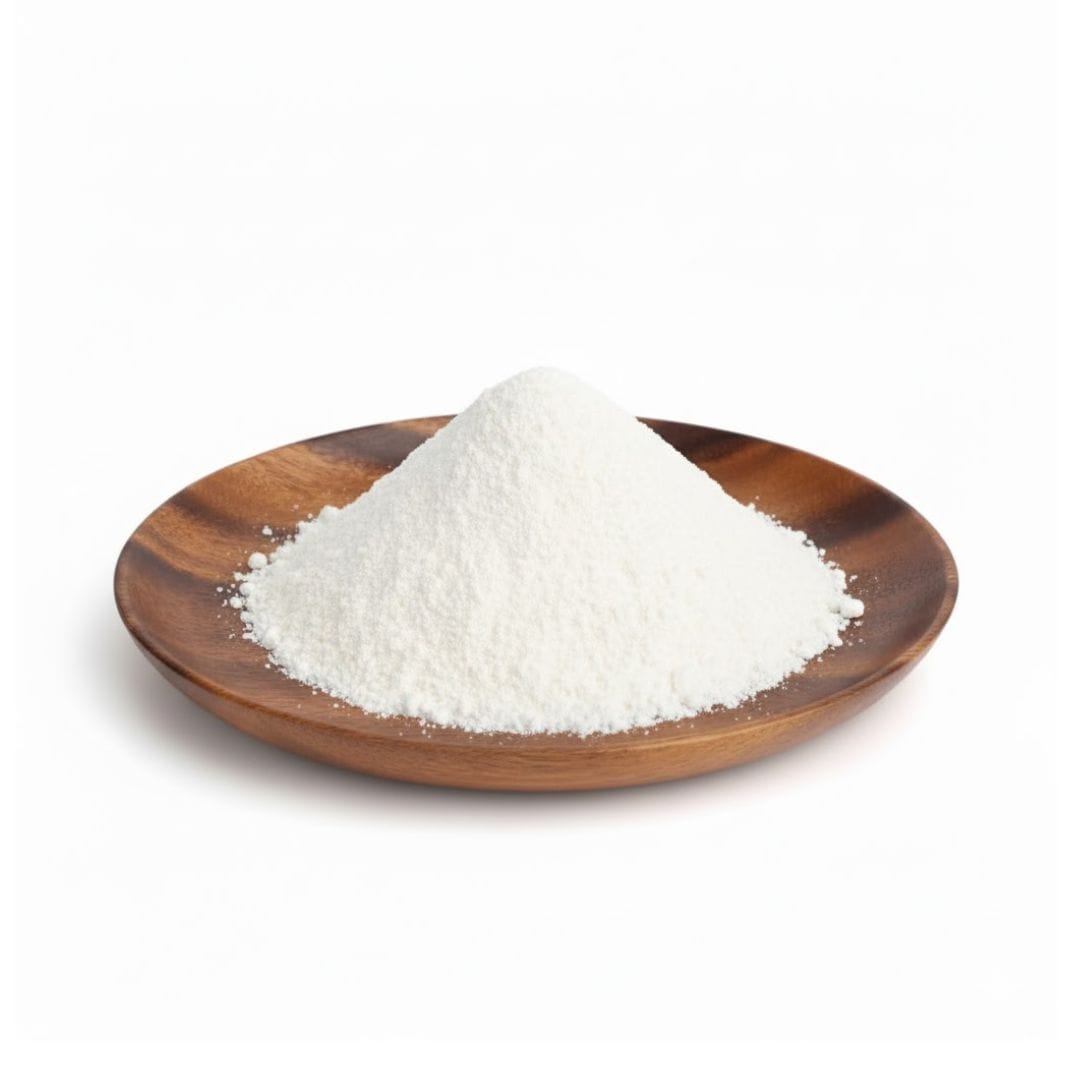
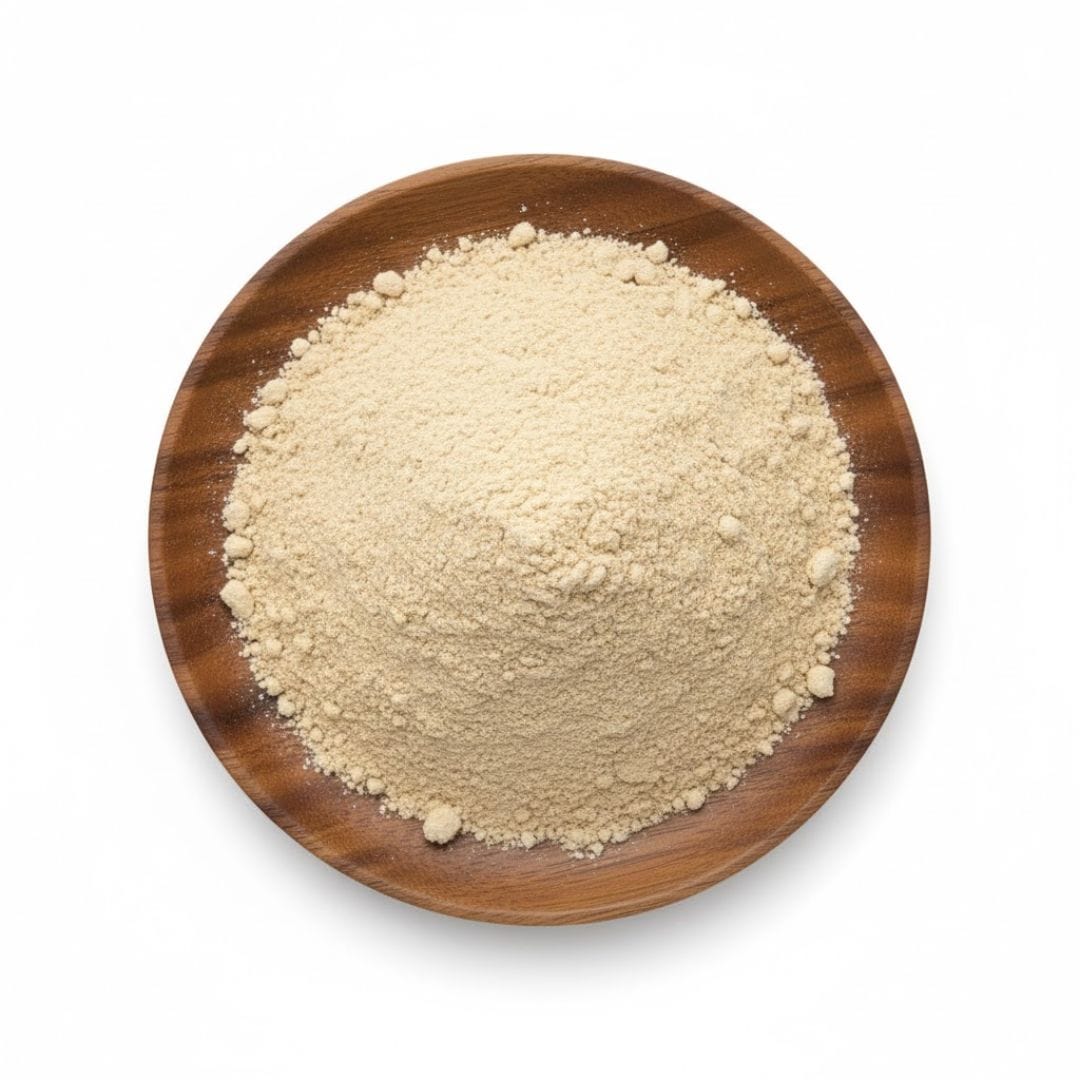
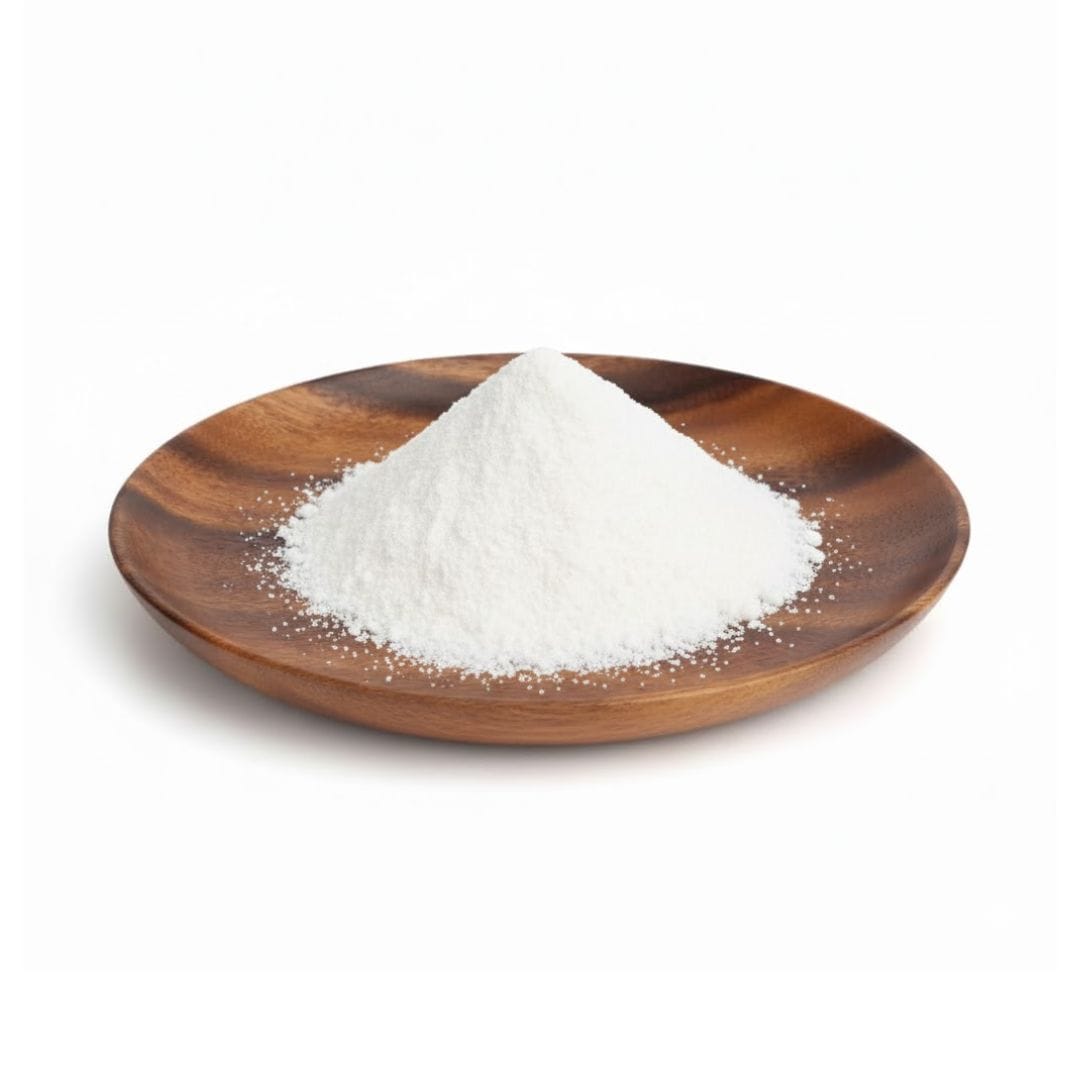
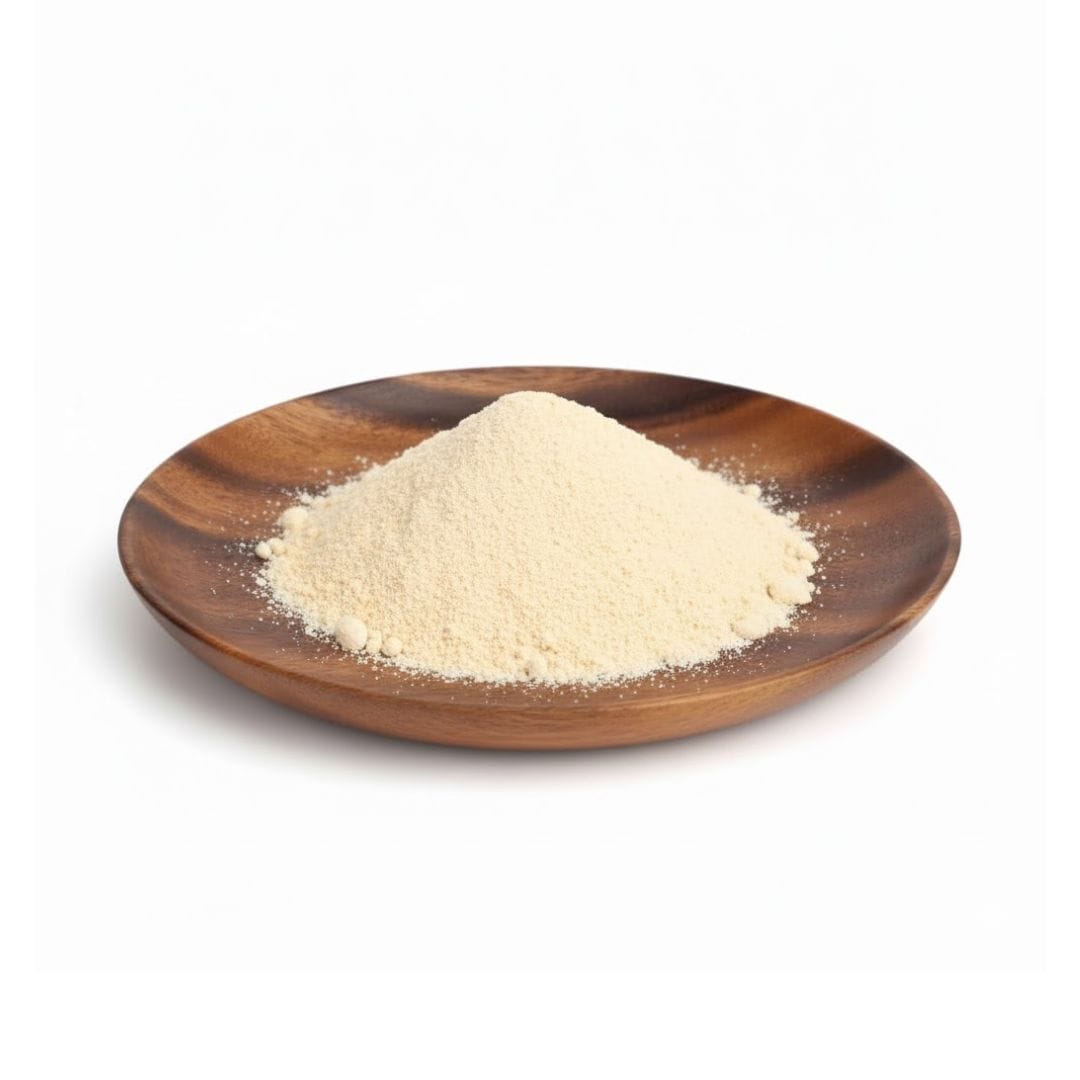
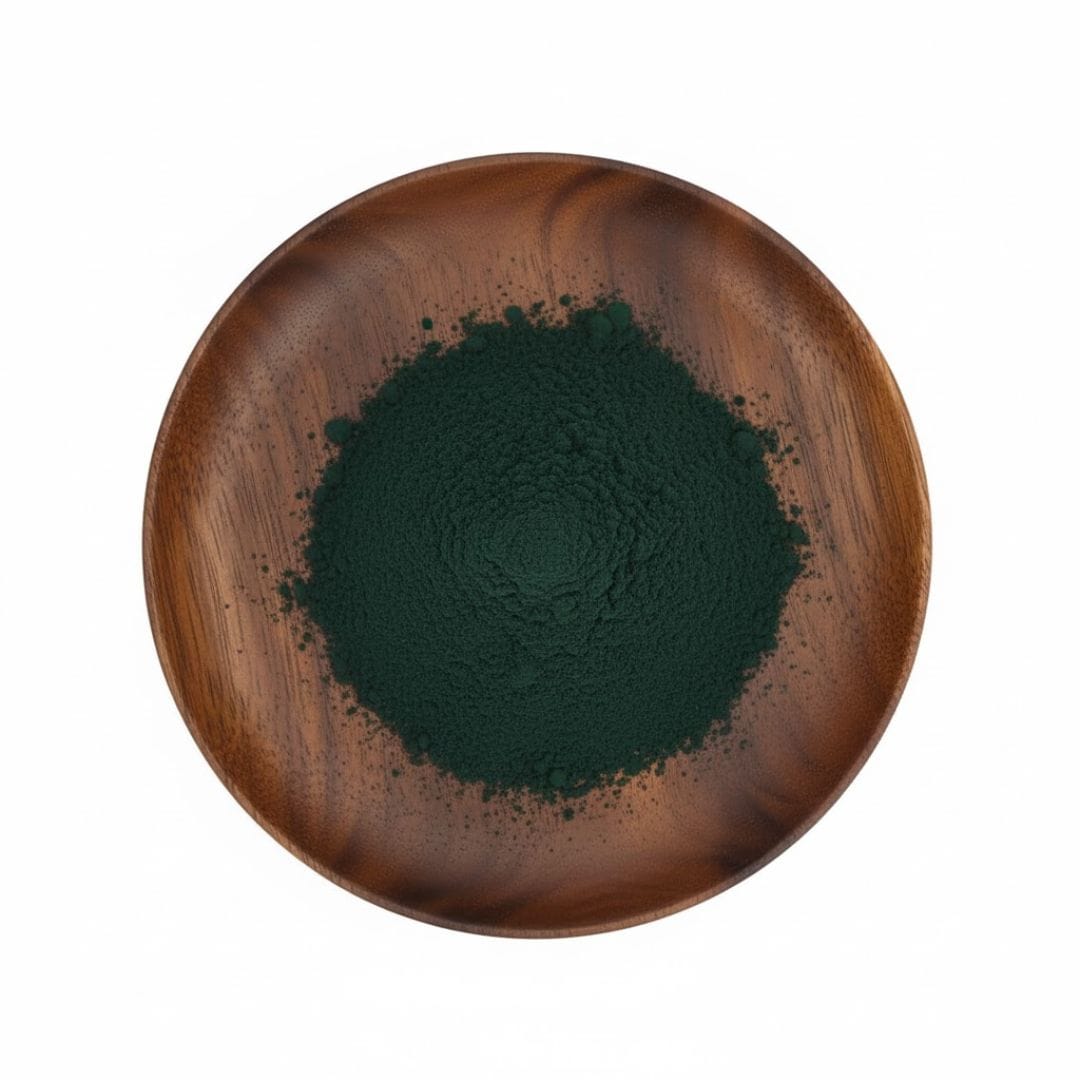
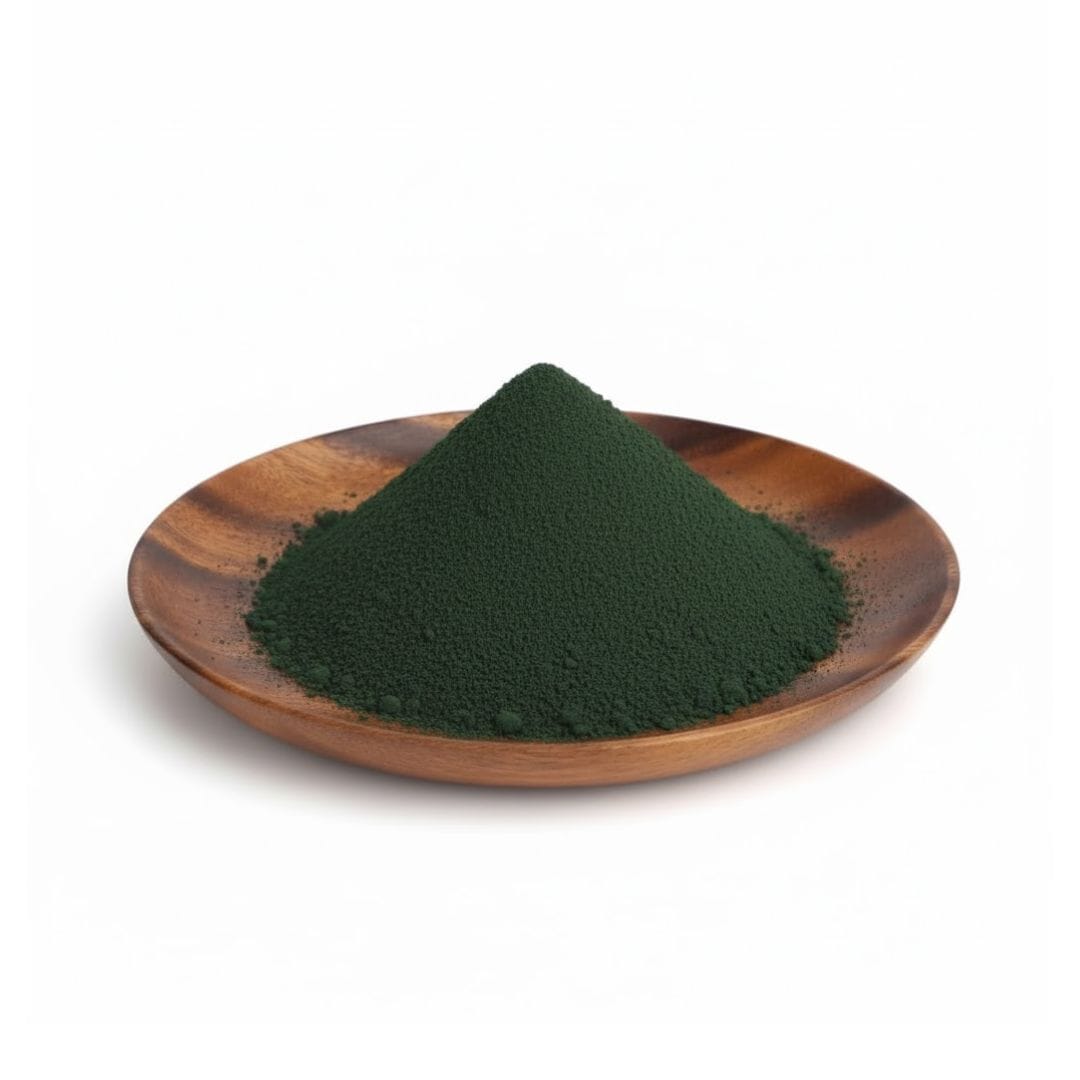
Coconut protein powder is derived from the fresh juice of coconut palm fruits, which offers a naturally sweet flavor. This juice is packed with sugars, fats, proteins, growth hormones, vitamins, and a wide array of essential trace minerals. Coconut protein provides various health advantages, such as boosting energy levels, increasing blood circulation volume, and supporting skin hydration.
- Specification
| Test | Specifications | Result |
|---|---|---|
| Assay (Protein) | ≥80% | 85.2% |
| Appearance | Off-white to light yellow powder | Off-white powder |
| Odor & taste | Characteristics | Complies |
| Mesh size | 100% pass 80mesh | Complies |
| Loss on drying | ≤5.0% | 2.2% |
| Heavy metals | ≤10ppm | Complies |
| Microbiology: | ||
| Total Plate Count | ≤1000cfu/g | 100cfu/g |
| Yeast & Mold | ≤100cfu/g | 20cfu/g |
| E.Coli | Negative | Complies |
| S. Aureus | Negative | Complies |
| Salmonella | Negative | Complies |
4.Test Method
4.1 Kjeldahl Method
4.1.1 Sample Preparation: Accurately weigh 0.2g to 2g of a well-mixed solid sample, 2g to 5g of a semi-solid sample, or 10g to 25g of a liquid sample (equivalent to approximately 30mg to 40mg of nitrogen), to 0.001g precision. Transfer it to a dry 100mL, 250mL, or 500mL digestion flask. Add 0.4g copper sulfate, 6g potassium sulfate, and 20mL sulfuric acid. Gently shake the mixture, then place a small funnel in the flask's neck and position the flask at a 45° angle over perforated asbestos wire gauze. Carefully apply heat until the contents fully char, ensuring all foaming ceases. Increase the heat to maintain a gentle boil until the solution turns clear blue-green. Continue heating for an additional 0.5 to 1 hour. Allow to cool, add 20mL water, further cool, and transfer to a 100mL volumetric flask. Rinse the digestion flask with water, adding the rinsings to the flask, then dilute to volume with water and mix well. Prepare a reagent blank simultaneously.
4.1.2 Analysis: Assemble the distillation apparatus as shown in Figure 1. Fill the steam generator with water to about two-thirds capacity, add a few glass beads, a few drops of methyl red indicator in alcohol, and several milliliters of sulfuric acid to maintain acidity. Heat the generator until the water boils and sustains boiling.
4.1.3 Add 10.0mL boric acid solution and 1-2 drops of mixed indicator A or B to the receiving flask, ensuring the condenser tip is submerged below the liquid level. Depending on the estimated nitrogen in the sample, pipet 2.0mL to 10.0mL of the prepared digest into the reaction chamber via a small glass funnel. Rinse the funnel with 10mL water, allowing it to drain into the chamber, then seal with a plug. Introduce 10.0mL sodium hydroxide solution through the funnel, reseal immediately, and apply a water seal. Secure the clamp and commence distillation. After 10 minutes, withdraw the receiving flask so the liquid surface is above the condenser tip, and distill for another minute. Rinse the condenser tip with a small volume of water into the flask, then remove it. Titrate the distillate with standard sulfuric or hydrochloric acid solution to the endpoint. With indicator A, the endpoint appears gray-blue; with indicator B, it is pale gray-red. Perform a reagent blank in parallel.
4.2 Calculation: Protein content in the sample is determined using the following formula (1):
X = [(V1 - V2) × c × 0.0140 × (100 / V3) × F] / m × 100
Where:
X — Protein content in the sample (g/100g);
V1 — Volume of standard sulfuric or hydrochloric acid titration solution used for the sample (mL);
V2 — Volume of standard sulfuric or hydrochloric acid for the blank (mL);
c — Concentration of the standard titration solution (mol/L);
0.0140 — Equivalent nitrogen mass for 1.0mL of 1.000mol/L HCl or H2SO4 (g);
m — Sample mass (g);
V3 — Volume of digest pipetted (mL);
F — Conversion factor from nitrogen to protein;
100 — Conversion factor.
For protein ≥1g/100g, retain three significant figures; for <1g/100g, retain two. Note: Omit the F factor if only measuring nitrogen content.
- Functions
(1) Coconut protein powder enhances the taste profile of various foods.
(2) It serves as a source of essential daily amino acids.
(3) It supports overall health maintenance.
- Application
(1) Coconut protein aids in lowering blood lipid levels, helping to prevent hyperlipidemia and promoting cardiovascular wellness.
(2) It bolsters the body's immune response and resistance, reducing the risk of inflammatory conditions.
(3) Commonly incorporated into foods and energy beverages as a protein fortifier.
- Stability and Safety
Stability:
Remains stable when stored appropriately (at room temperature). Stability data sheets can be provided upon request.
Safety:
Recognized as safe for human use per the U.S. GRAS (Generally Recognized As Safe) notification.
- Certificate
For years, Botanical Essence has focused on refining manufacturing processes and implementing robust quality systems. We have established a comprehensive quality management framework and secured relevant certifications.
- Exhibition
Botanical Essence regularly participates in global trade shows such as CPhI, FIC, API, Vitafoods, and SupplySide West.
- Our Customers
Botanical Essence has forged partnerships with leading companies including Abbott, Unilever, Shiseido, KANS, and SIMM.
- Customers' Review