1. Introduction
Almond protein is derived from the kernels of the apricot tree, Prunus armeniaca L., a deciduous species in the Rosaceae family, commonly referred to as the mountain peach. These nuts are categorized into sweet and bitter types, with primary cultivation occurring in China's northern areas, including regions such as Xinjiang, Hebei, Liaoning, Shandong, and Shaanxi. Almonds offer substantial nutritional benefits, with 100 grams providing 25-27 grams of protein, 47-56 grams of fats, 12-19 grams of carbohydrates and dietary fiber, alongside essential minerals like calcium, phosphorus, iron, and selenium. They also supply vitamins including E, B1, B2, B5, and C. Medically, almonds exhibit properties that help alleviate coughs and asthma, enhance immune function, delay aging processes, balance lipid levels, support brain health, and boost cognitive abilities. Notably, bitter almonds contain up to 5.5% amygdalin, a unique compound with diverse therapeutic effects. Contemporary research indicates that amygdalin may inhibit and eliminate cancerous cells. Almonds find extensive applications in the food, cosmetic, and pharmaceutical sectors.
2. Function
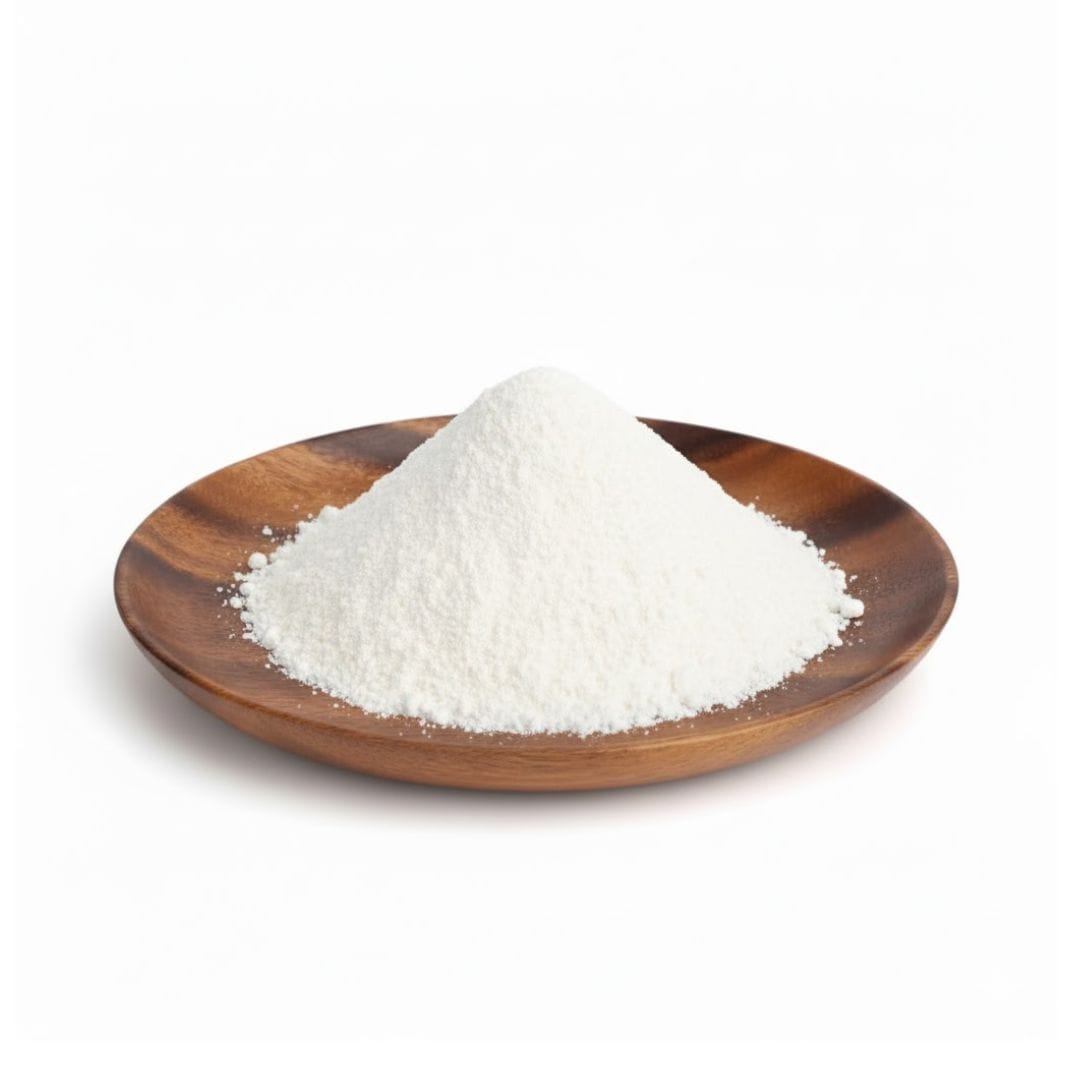
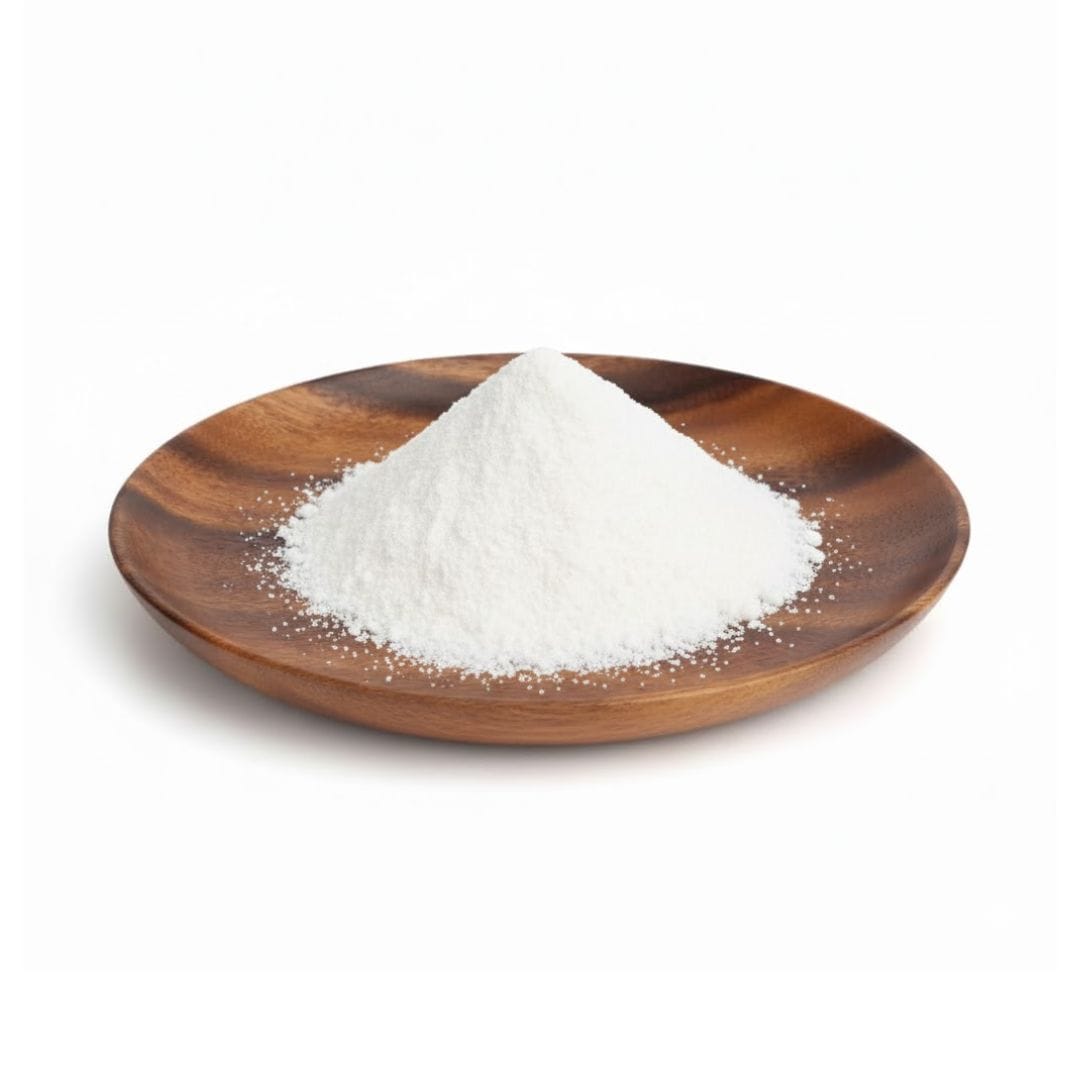
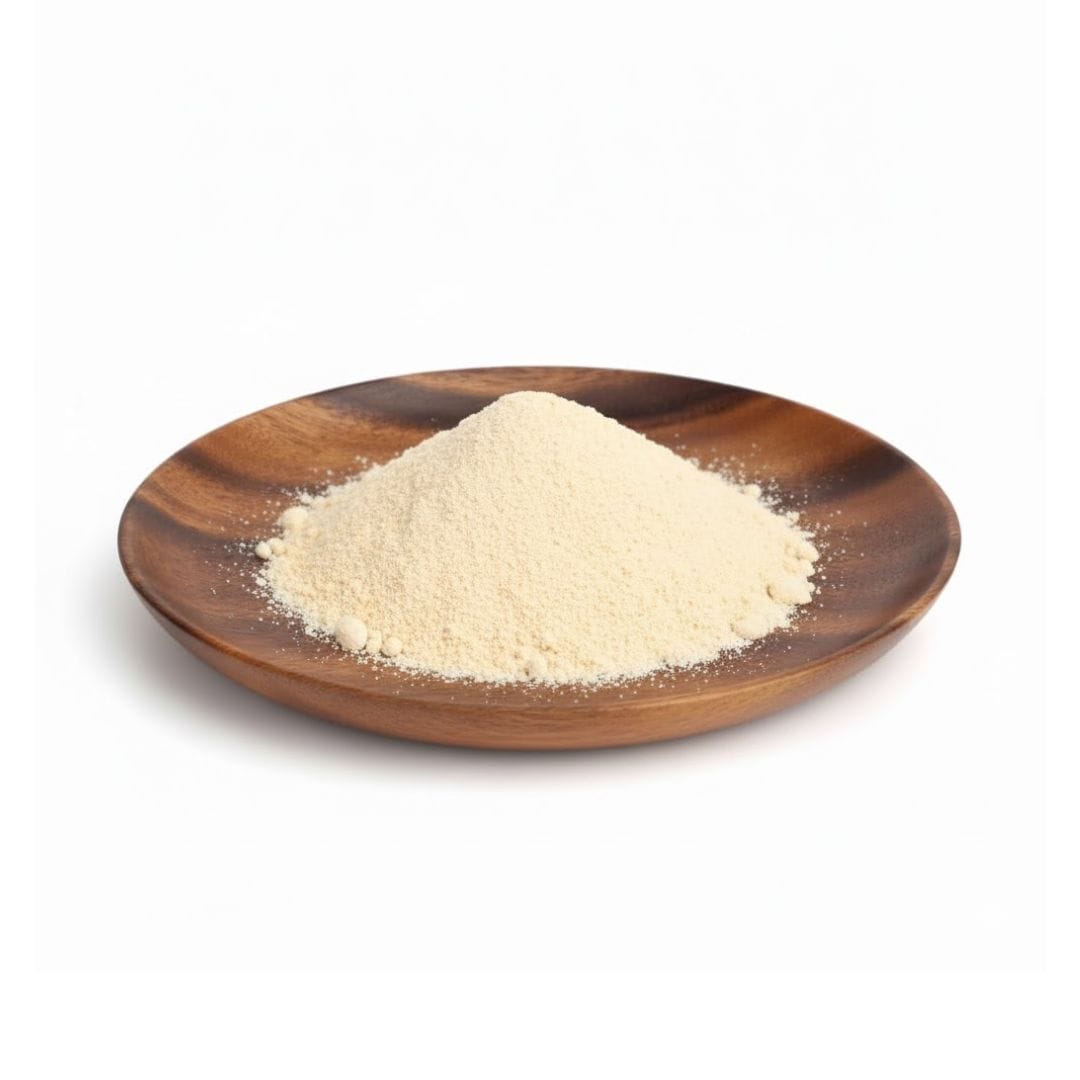
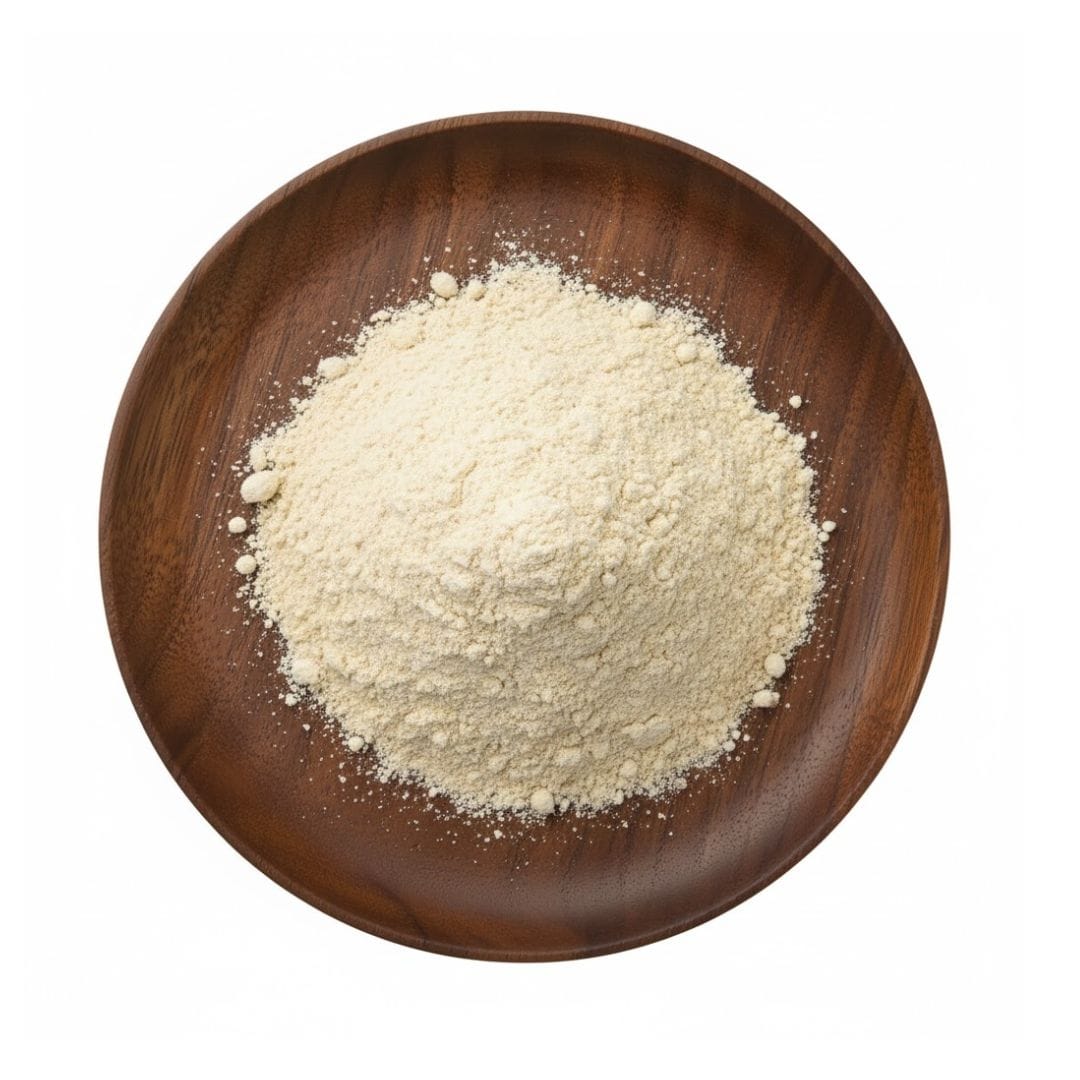
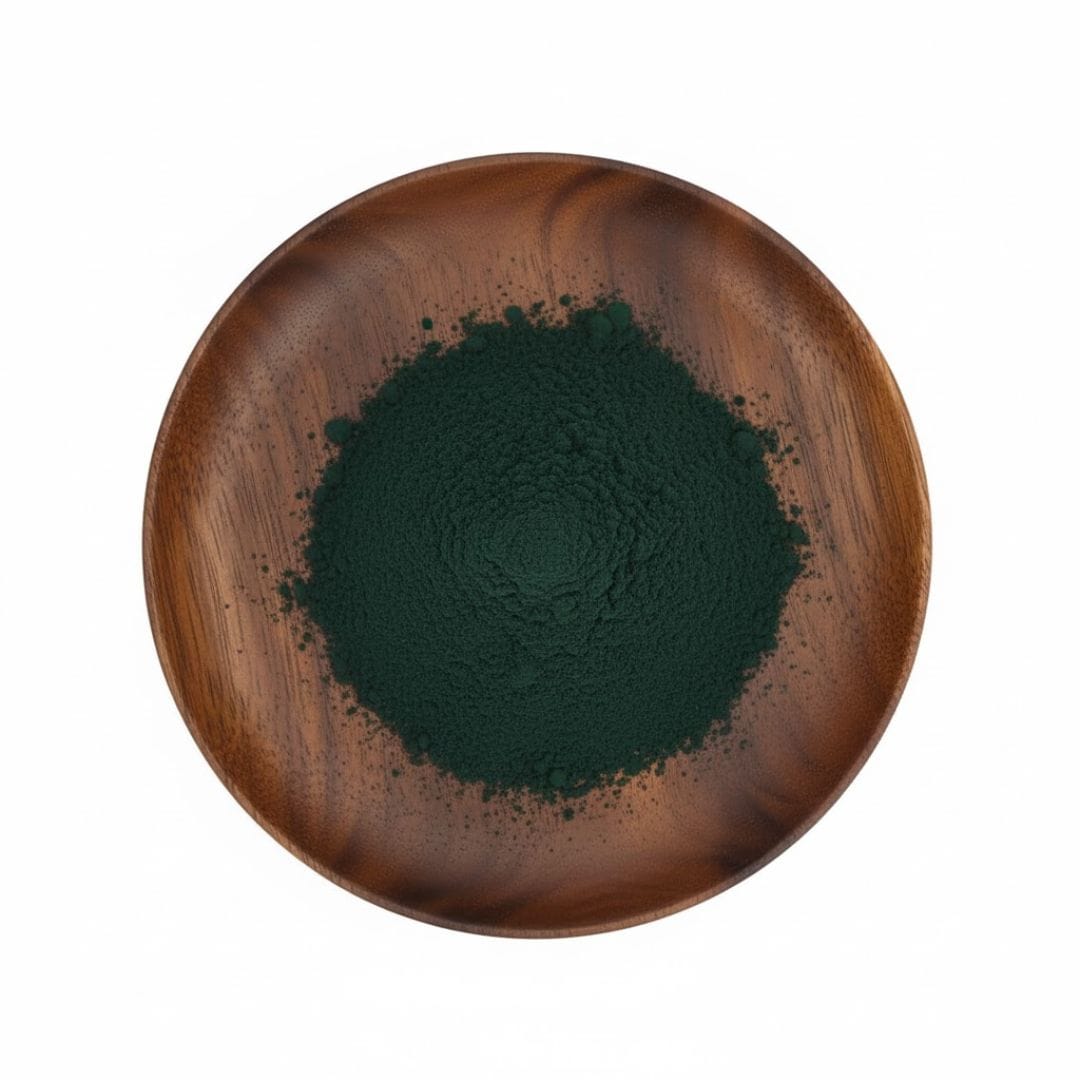
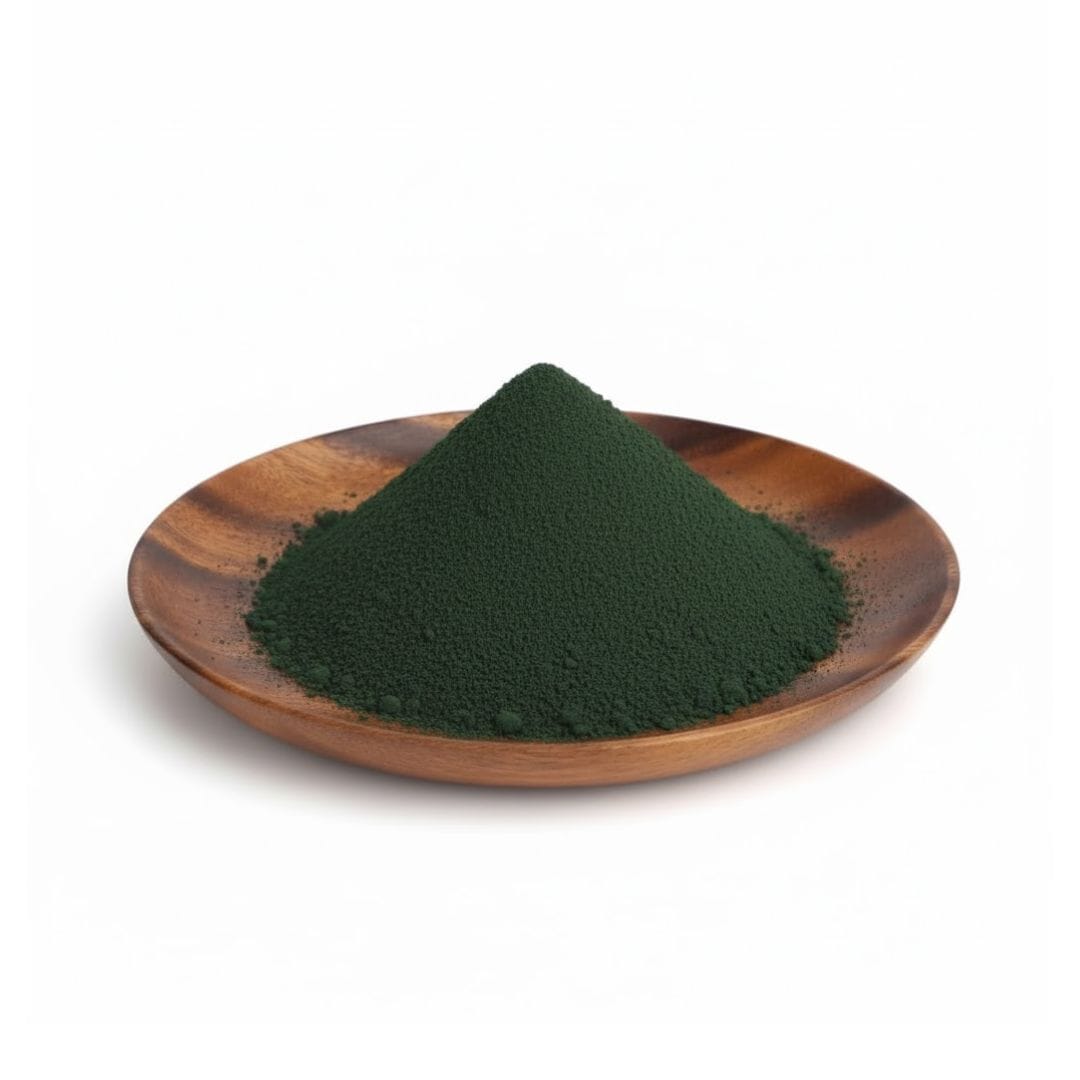
Almond protein serves as a protein supplement obtained by processing ground almond kernels. It is frequently chosen by people aiming to boost their protein consumption, especially those adhering to plant-based, vegetarian, or vegan lifestyles.
The primary role of almond protein powder lies in delivering an accessible and readily absorbable form of vegetable-derived protein. It is abundant in vital amino acids, the fundamental components of proteins essential for muscle development, recovery, and upkeep.
Key benefits of almond protein powder encompass:
Muscle development: As a comprehensive protein option, it includes all nine essential amino acids that the human body cannot synthesize independently. These elements are vital for building and restoring muscles, positioning almond protein powder as a favored supplement for fitness enthusiasts and those seeking to gain toned muscle.
Weight control: Proteins promote greater feelings of fullness compared to carbs or fats, helping to extend satiety. Adding almond protein powder to meals can assist in managing hunger pangs and lowering total caloric consumption, aiding efforts in shedding or maintaining weight.
Energy generation: As a key macronutrient, protein supplies fuel for bodily functions. Almond protein powder supports exercise sessions and everyday tasks by offering a consistent stream of amino acids that convert to energy.
Nutrient enhancement: Beyond protein, almond protein powder provides valuable extras like fiber, beneficial fats, vitamins, and minerals, all of which promote general wellness and vitality.
3. Application
Almond protein delivers nutritional and therapeutic advantages, including clearing stagnation, expelling phlegm, easing coughs, soothing asthma, promoting bowel movements, and reducing inflammation and irritation. In traditional Chinese medicine, almonds act as a mild laxative and serve as an ideal base for topical creams treating dermatological issues. The rich array of proteins, lipids, and other nutrients in almonds plays a critical role in bodily health, offering effects such as enhancing skin complexion, supporting lung function, lubricating the digestive tract, nourishing the bloodstream, and fortifying vascular integrity. It facilitates smooth qi flow, fluid balance, digestive processes, and waste elimination. Research demonstrates that almond extracts can lessen tracheal responsiveness to irritants like ammonia, counter the actions of substances such as histamine, acetylcholine, and barium chloride on respiratory and intestinal smooth muscles, and stimulate colonic motility. Additionally, almond oil helps curb cholesterol production, prevent fat buildup in arteries, encourage cholesterol removal, avert plaque formation, and thereby reduce risks of heart and vascular conditions.
4. Test Report
| Test Item | Specification | Test Result |
|---|---|---|
| Protein | ≥ 80.0% | 81.22% |
| Appearance | White to light yellow fine powder | Complies |
| Odor | Characteristic | Complies |
| Mesh Size | 95% through 80 mesh size | Complies |
| Fat | ≤ 3.0% | 2.5% |
| Moisture | ≤ 10.0% | 6.1% |
| Ash | ≤ 5.0% | 2.6% |
| Heavy Metal | ≤ 10 ppm | 10 ppm |
| Arsenic (As) | ≤ 2 ppm | 2 ppm |
| Lead (Pb) | ≤ 1 ppm | 1 ppm |
| Microbiological | ||
| Total plate count | ≤ 1,000 cfu/g | Complies |
| Saccharomycete & Mold | ≤ 100 cfu/g | Complies |
| Coliform | Negative | Negative |
| Salmonella | Negative | Negative |
| Staphylococcus aureus | Negative | Negative |
Conclusion
Complies
Package
1kg/Aluminum foil bag; 25kg/Drum
Storage
Store in a cool, dry area, away from light and heat.
Expiry Date
24 months
5. Flow Chart
The flow chart for Almond Protein typically details the steps involved in producing Almond Protein Isolate (API) or Almond Protein Concentrate (APC) from raw almonds. A common, simplified industrial process often follows these steps:
| Step | English Term | Description |
| 1 | Raw Material Preparation | Almonds are sorted, cleaned, and often blanched (to remove the skin). |
| 2 | Oil Extraction / Defatting | The kernels are pressed or subjected to solvent extraction to remove almond oil, resulting in defatted almond meal or press cake. |
| 3 | Protein Solubilization / Extraction | The defatted meal is dispersed in water, and the protein is solubilized by adjusting the pH (often alkaline, e.g., pH 8-10). |
| 4 | Separation | The mixture is filtered or centrifuged to separate the liquid protein extract (supernatant) from the insoluble fibers/solids (residue). |
| 5 | Protein Precipitation | The pH of the liquid extract is adjusted to the isoelectric point of the major almond protein (Amandin, typically around pH 4.0-5.0) to precipitate the protein. |
| 6 | Collection & Washing | The precipitated protein curd is separated (e.g., by centrifugation) and washed to remove soluble non-protein components. |
| 7 | Drying | The protein paste is dried (e.g., spray drying or freeze drying) and milled to produce Almond Protein Isolate (API) powder. |
6. MOA
A. Functional Mechanism
Almond proteins, particularly the major storage protein Amandin (an 11S globulin), function in food systems through structural and physiochemical mechanisms, which are often modified by processing (heat, pH, hydrolysis).
- Emulsification: The protein structure (especially after unfolding or partial hydrolysis) allows for the adsorption of protein molecules at the oil-water interface. The combination of hydrophobic and hydrophilic domains in the protein creates a stable interfacial film, reducing interfacial tension and stabilizing the emulsion (e.g., in almond milk).
- Gelation: Upon heating (e.g., $85-95^\circ\text{C}$), the protein structure denatures and unfolds, exposing reactive groups. This leads to protein aggregation and the formation of a 3D network via molecular interactions such as disulfide bonds, hydrophobic interactions, and hydrogen bonds, resulting in a gel structure (e.g., in almond-based yogurts).
B. Bioactive Mechanism
The health benefits of almond protein are often attributed to bioactive peptides released during digestion or processing (hydrolysis).
- Cardiovascular Health (e.g., ACE Inhibition): Certain almond-derived peptides act as Angiotensin-I Converting Enzyme (ACE) Inhibitors. By binding to and blocking the active site of the ACE enzyme, they prevent the conversion of Angiotensin I to the potent vasoconstrictor Angiotensin II. This leads to vasodilation (widening of blood vessels) and can help lower blood pressure.
- Antioxidant Activity: Hydrolyzed almond protein contains peptides that can scavenge free radicals (reactive oxygen species) and chelate metal ions (like iron), thus reducing oxidative stress and potential cellular damage.
- Blood Glucose Control (e.g., $\alpha$-Glucosidase Inhibition): Specific peptides have been shown to inhibit the activity of enzymes like $\alpha$-glucosidase. This enzyme is responsible for breaking down complex carbohydrates into absorbable glucose in the small intestine. Inhibition of $\alpha$-glucosidase slows down glucose absorption, leading to a moderating effect on postprandial blood sugar levels.
7. NMR
Reach out to us for the NMR spectrum.
8. Stability and Safety
Remains stable when stored appropriately (at ambient temperature). A detailed Stability Data Sheet can be provided on request.
Per the U.S. FDA's Generally Recognized As Safe (GRAS) status, it is deemed safe for human use.
9. Our Certificates
At Botanical Essence, we have consistently focused on refining production techniques and implementing robust quality controls. We maintain a comprehensive quality management framework and hold relevant certifications.
10. Our Clients
Botanical Essence has forged partnerships with leading companies such as Abbott, Unilever, Shiseido, KANS, and SIMM, among others.