1. Overview
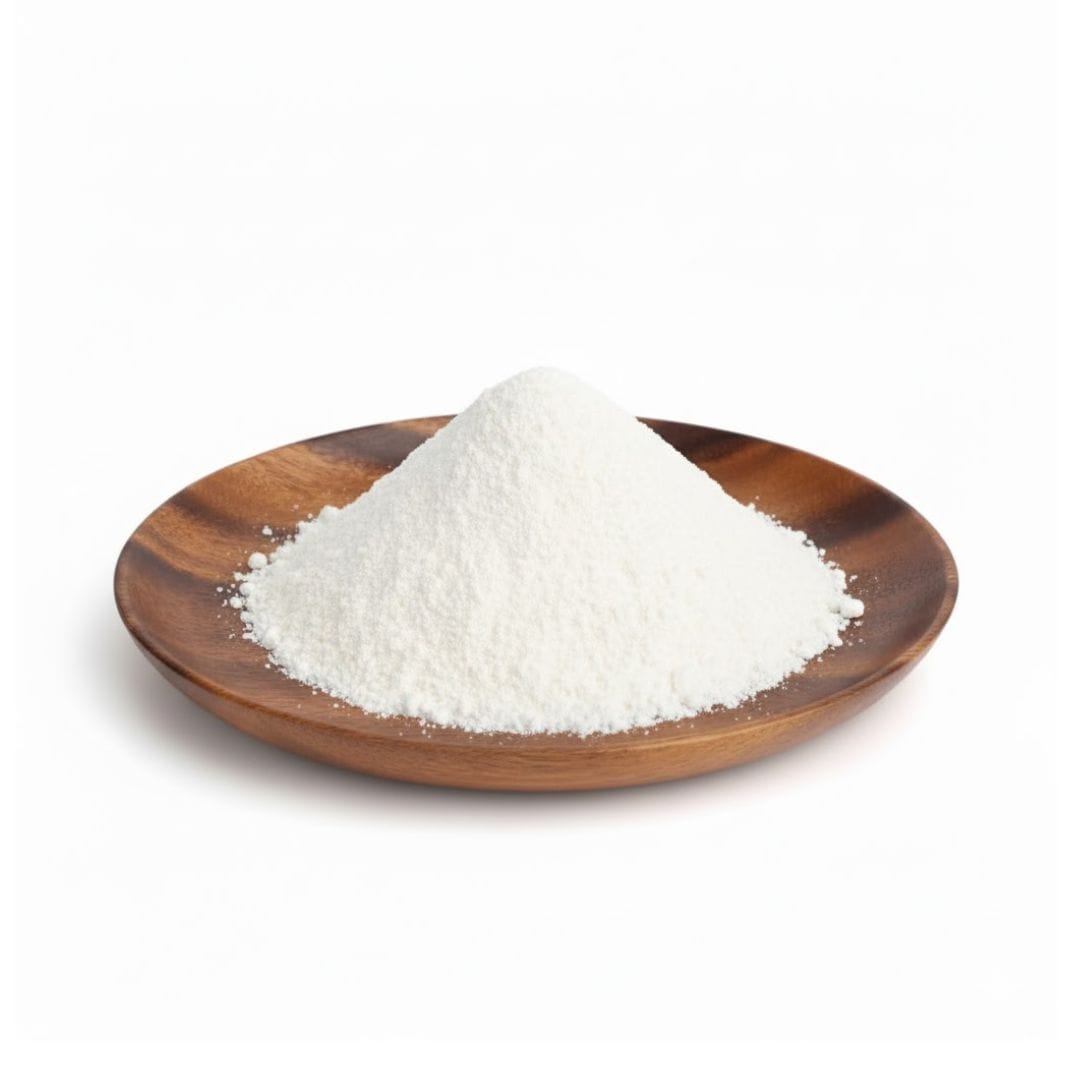
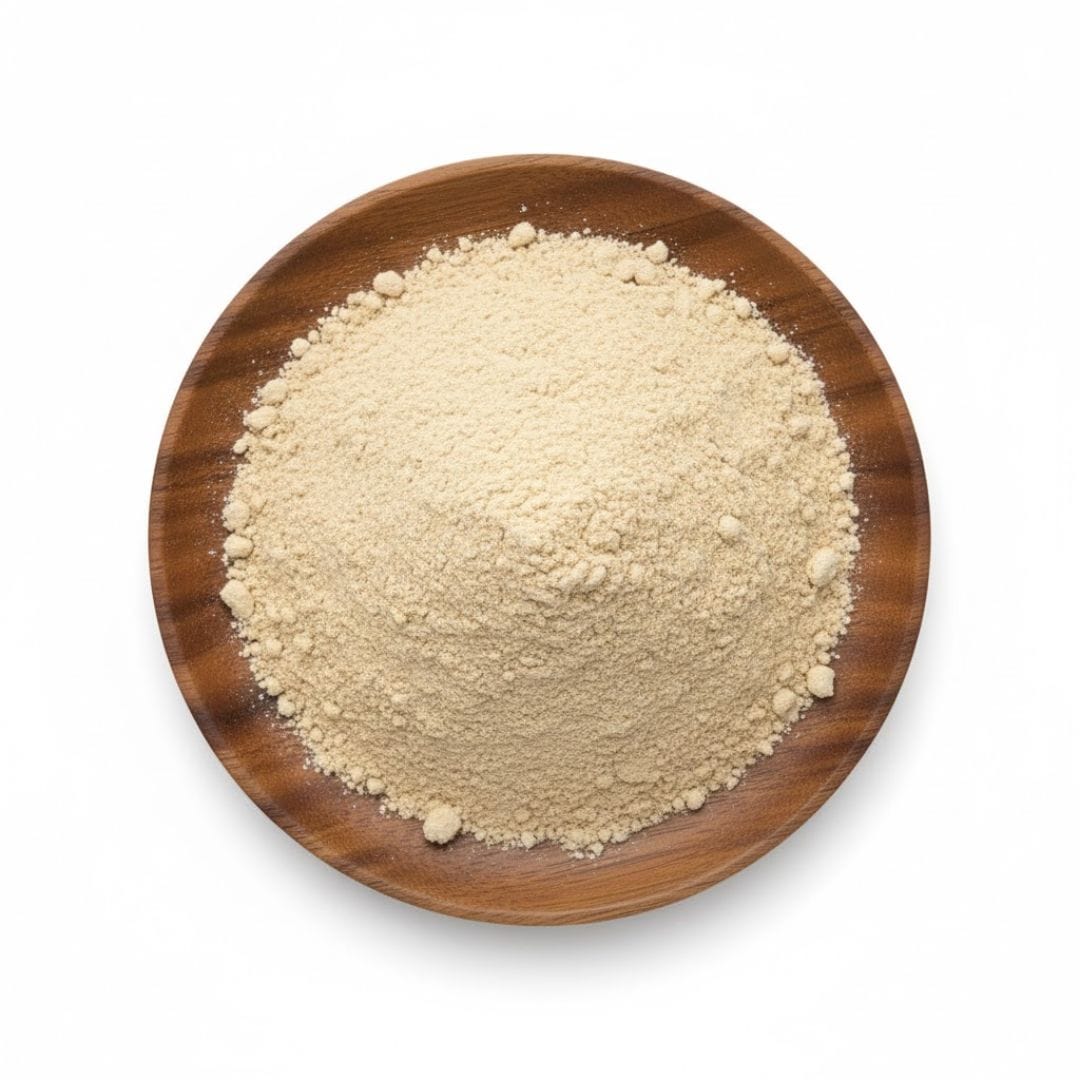
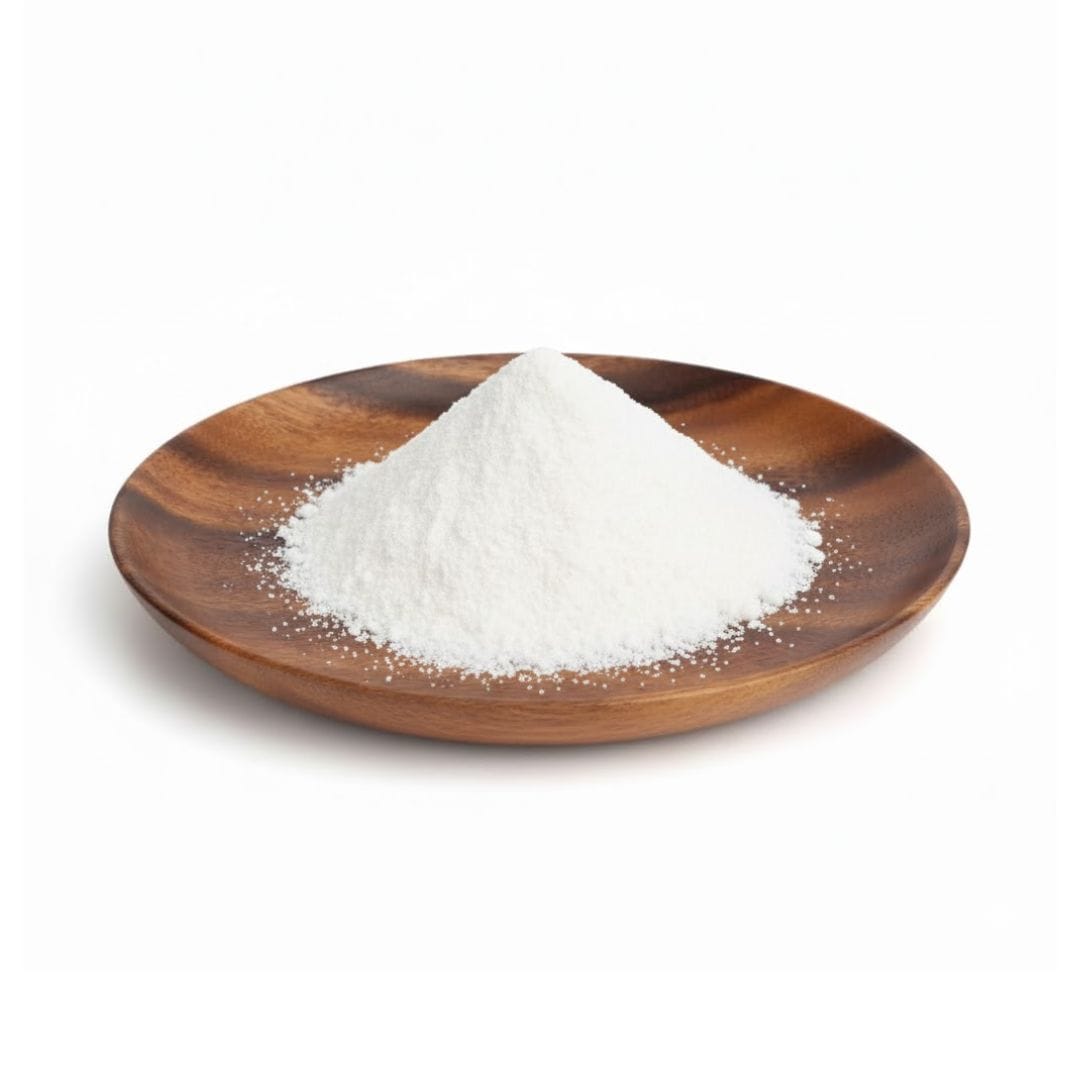
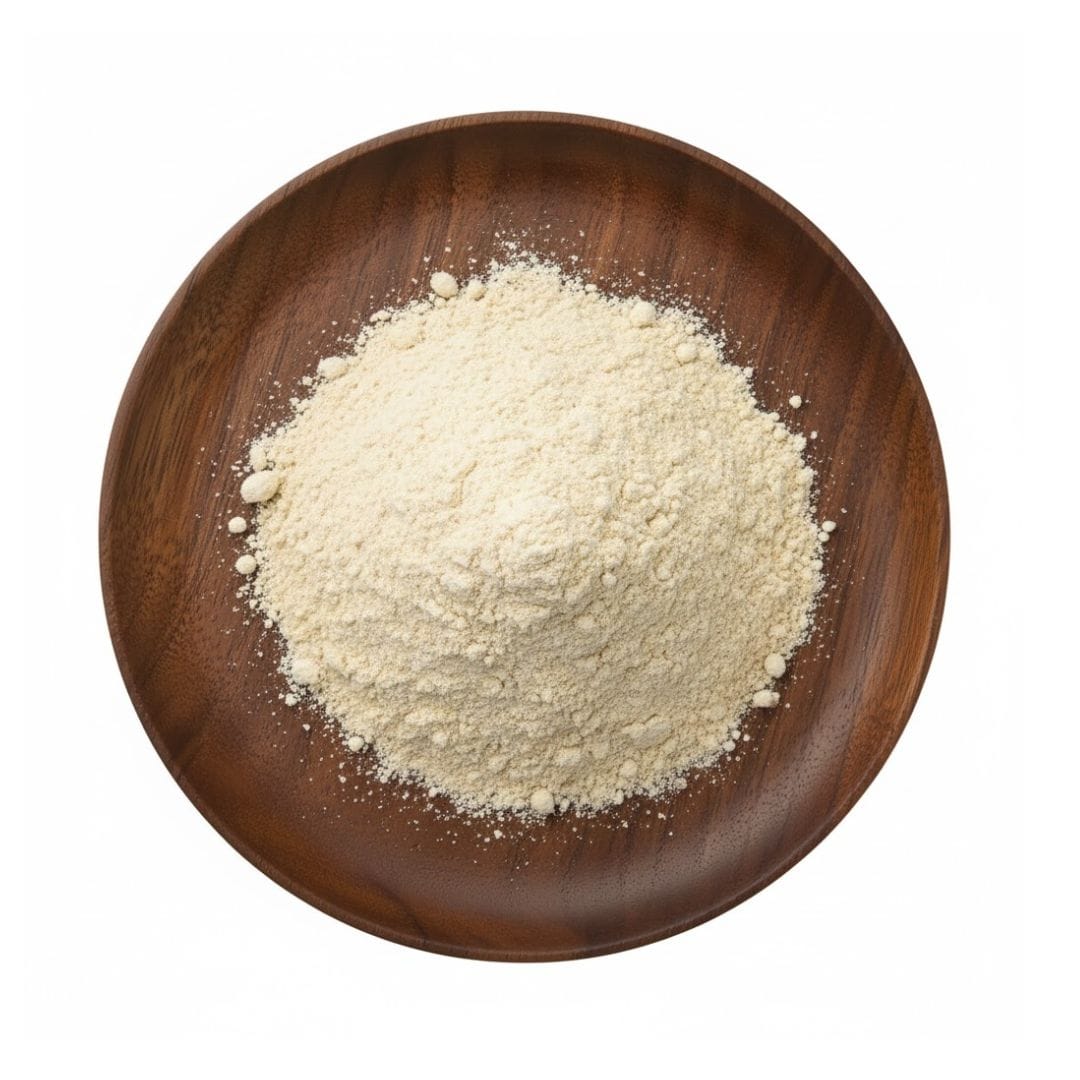
Sunflower seed protein, commonly referred to as sunflower protein, is derived from defatted sunflower seed meal. The process involves shelling and eliminating compounds such as chlorogenic acid and caffeic acid, along with other phenolic acids. Its primary constituent is globulin, comprising roughly 70% to 79%, with albumin present in lesser amounts, and trace quantities of gluten and gliadin. Regarding amino acids, lysine levels are comparatively modest, whereas other essential amino acids are abundant. Raw sunflower kernels typically hold 21% to 30% protein, while the seed cake left after oil extraction boasts over 50% protein content. Specifically, this protein includes 55% to 60% globulin, 17% to 23% albumin, 1% to 4% gliadin, and 11% to 17% gluten. Non-protein nitrogen in bound form and insoluble residues make up under 11% of the overall nitrogen.
2. Key Benefits
Sunflower seeds provide ample magnesium and calcium, which aid in calming the nervous system. Furthermore, the linoleic acid, diverse amino acids, and vitamins they contain support balanced brain cell metabolism, promoting restful sleep.
These seeds are a superb source of vitamin E, offering robust defense against cancer cells, shielding cells from free radical damage, and boosting white blood cell production to bolster overall immunity.
Packed with unsaturated fatty acids, sunflower seeds enhance gut motility, facilitating the removal of toxins and waste from the body, which supports weight management and a healthy physique.
Nutrients like calcium, copper, and magnesium in sunflower seeds contribute to improved bone strength. Notably, copper enhances the flexibility and resilience of skin, ligaments, and joints, fostering better joint wellness.
Abundant in trace minerals such as zinc, potassium, and magnesium, sunflower seeds effectively combat anemia. The potassium content particularly benefits heart health and helps ward off hypertension.
The proteins in sunflower seeds feature arginine, which boosts reproductive function. As arginine plays a vital role in semen formation, men may benefit from incorporating a handful of seeds daily during fertile periods.
3. Uses
In everyday food preparation. Incorporating 1% to 2% defatted sunflower seed protein powder into breads and similar baked goods, after steaming and heating for one hour, enhances nutritional value. It supplements essential amino acids lacking in flour, improves dough elasticity for bread crumbs, and inhibits starch retrogradation.
As an enhancer in infant nutrition. Unlike soy protein, which has higher lysine but lower methionine, sunflower seed protein offers elevated methionine levels. Blending it with soy protein elevates the nutritional profile of baby foods.
In processed meats. Integrating sunflower seed protein into sausages and other meat items minimizes shrinkage during smoking, curbing fat leakage and weight reduction. This results in more tender, flavorful products. Substituting 30% sunflower seed textured protein for pork in items like pies, buns, and dumplings reduces animal fats and cholesterol while cutting expenses.
For synthetic dairy and drinks. With its mild flavor and absence of off-odors, sunflower seed protein serves as an excellent base for premium beverages and imitation milk. Heating the protein concentrate to 80°C, agitating it mechanically, and adding an emulsifier creates a 3% protein emulsion. Combining this with milk at a 1:1 ratio yields a superior-tasting and visually appealing blended milk.
4. Quality Standards
| ITEM | SPECIFICATION | TEST RESULT |
|---|---|---|
| Description | Positive | Complies |
| Appearance | Fine Powder | Complies |
| Color | Off-white Powder | Complies |
| Odor | Characteristic | Complies |
| Taste | Characteristic | Complies |
| Country of Origin | China | Complies |
| Particle Size | 100% Through 80 Mesh | Complies |
| Bulk Density | 0.35~0.40g/cm³ | Complies |
| Protein | ≥80% | 85.17% |
| Water | ≤10% | 5.26% |
| Ash | ≤5% | 2.64% |
| HEAVY METALS | ||
| Arsenic (As) | <0.1mg/kg | Complies |
| Lead (Pb) | <0.3mg/kg | Complies |
| Cadmium (Cd) | <0.5mg/kg | Complies |
| Mercury (Hg) | <0.1mg/kg | Complies |
| Total Plate Count | <30,000 cfu/g | Complies |
| Yeast and Mold | <100 cfu/g | Complies |
| Salmonella | Negative | Complies |
| E. Coli | Negative | Complies |
| Staphylococcus | Negative | Complies |
5. Storage and Security
Storage: Remains stable at ambient temperatures when handled appropriately. A detailed stability report can be provided on request.
Safety: Per the U.S. FDA's GRAS (Generally Recognized As Safe) status, it is deemed safe for human use.
6. Certifications
For years, Botanical Essence has focused on refining production processes and implementing robust quality controls. We maintain a comprehensive quality management framework and hold relevant certifications.
7. Partners
Botanical Essence has forged partnerships with leading firms including Abbott, Unilever, Shiseido, KANS, and SIMM, among others.
8. Trade Shows
We regularly participate in global events such as CPhI, FIC, API, Vitafoods, and SupplySide West.