1. Introduction
Walnut protein is derived from walnuts. Testing indicates that 100 grams of walnuts provide 20-64 grams of fat, of which 71% is linoleic acid, 12% is linolenic acid, and 15-20 grams of protein—a premium-quality protein source. Protein stands out as the top nutrient for brain health. Additionally, it contains 10 grams of sugar along with essential nutrients including calcium, phosphorus, iron, carotene, riboflavin (vitamin B2), vitamin B6, vitamin E, juglonequinone, phospholipids, and tannins.
2. Benefits
Walnut protein holds significant medicinal value and is commonly utilized in traditional Chinese medicine. According to TCM principles, walnuts possess a warm nature, sweet flavor, and are non-toxic, offering benefits like fortifying the stomach, replenishing blood, lubricating the lungs, and calming the mind. "Shen Nong's Materia Medica" classifies walnuts as top-tier for prolonged use, promoting vitality, nourishing qi, and extending lifespan. The Tang Dynasty text "Dietary Therapy of Materia Medica" by Meng Shen notes that walnut consumption boosts appetite, fills blood vessels, and promotes smooth, radiant complexion. The Song Dynasty's "Kaibao Materia Medica" by Liu Han and colleagues describes walnut kernels as aiding in gaining weight and vigor, hydrating muscles, darkening hair, and resolving hemorrhoid prolapse. In the Ming Dynasty's "Compendium of Materia Medica," Li Shizhen details walnut kernels' roles in tonifying qi and blood, dispelling dryness and phlegm, bolstering kidney yang, supporting vital functions, warming lungs, easing intestines, and addressing weakness from cold, cough with asthma, lumbar-leg pain, abdominal colic, bloody dysentery, and intestinal issues.
Contemporary studies highlight that walnut phospholipids support cranial nerve health. Walnut oil's unsaturated fatty acids help prevent and manage atherosclerosis. Walnut kernels supply vital trace elements like zinc, manganese, and chromium. Zinc and manganese levels decline with age, while chromium aids glucose utilization, cholesterol metabolism, and cardiovascular protection. Walnut consumption notably eases cough and breathing difficulties in chronic bronchitis, asthma, and winter conditions. Thus, regular intake maintains fitness and combats aging. Rather than relying solely on supplements, consuming a handful of walnuts morning and evening proves more effective.
As an excellent medicinal food, walnuts benefit health whether used medicinally or prepared raw, boiled, sugared, or cooked—nourishing blood and qi, tonifying kidneys and essence, alleviating cough-asthma, and promoting smooth bowel movements. Boiling walnuts in salted water, then drinking the liquid and using the residue, treats kidney deficiency, low back pain, seminal emission, impotence, forgetfulness, tinnitus, frequent urination, and related issues. Combining walnuts with barley and chestnuts, or oatmeal, addresses frequent urination, seminal loss, loose stools, and dawn diarrhea. Sugared walnuts with sesame and lotus seeds nourish heart and brain while curbing night sweats. Walnuts paired with longan flesh and raw hawthorn enhance cardiac function. Walnuts also aid in managing neurasthenia, hypertension, coronary heart disease, emphysema, and abdominal pain.
3. Uses
Walnut kernels are rich in protein and essential unsaturated fatty acids crucial for human nutrition. These components support brain cell metabolism, nurturing neurons and enhancing cognitive performance.
Walnuts help prevent atherosclerosis, reduce cholesterol levels, manage non-insulin-dependent diabetes, provide analgesia for cancer patients, boost white blood cell counts, and safeguard the liver.
Abundant vitamin E in walnut kernels, when consumed regularly, hydrates skin, darkens hair, and imparts moisture, smoothness, and elasticity to the complexion.
Walnuts effectively alleviate fatigue and stress.
4. Test Results
| Test Parameter | Standard | Result |
|---|---|---|
| Protein | ≥ 80.0% | 82.09% |
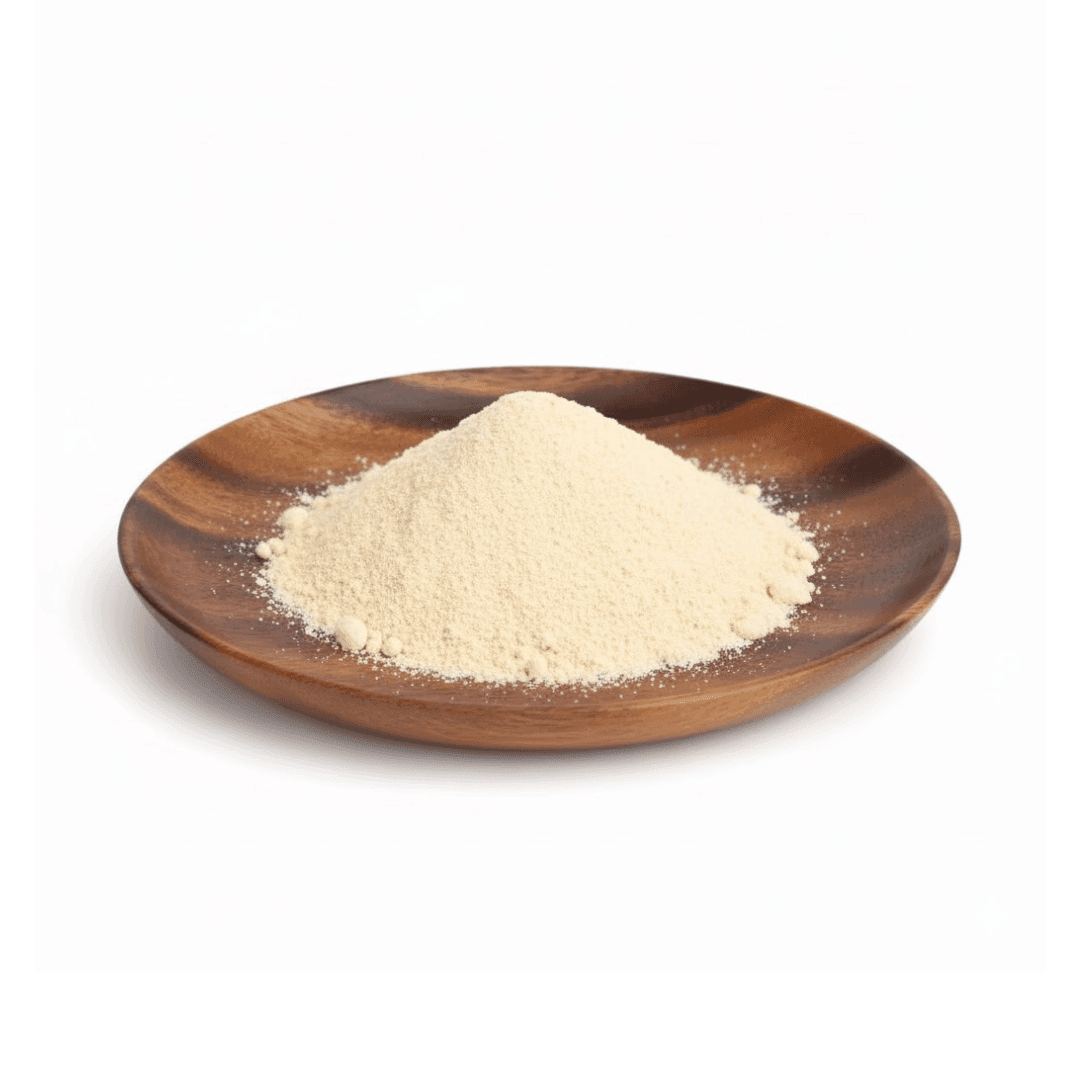
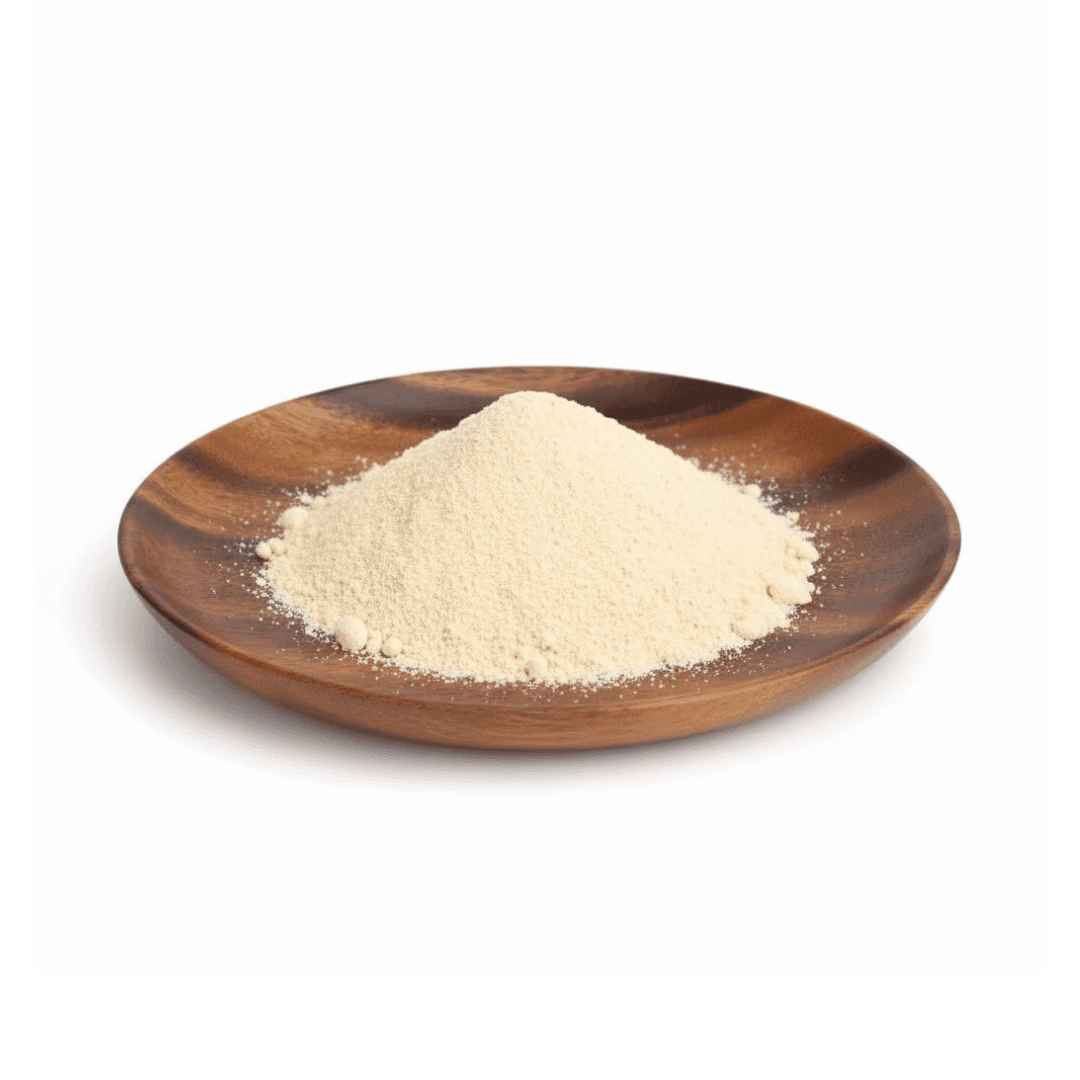
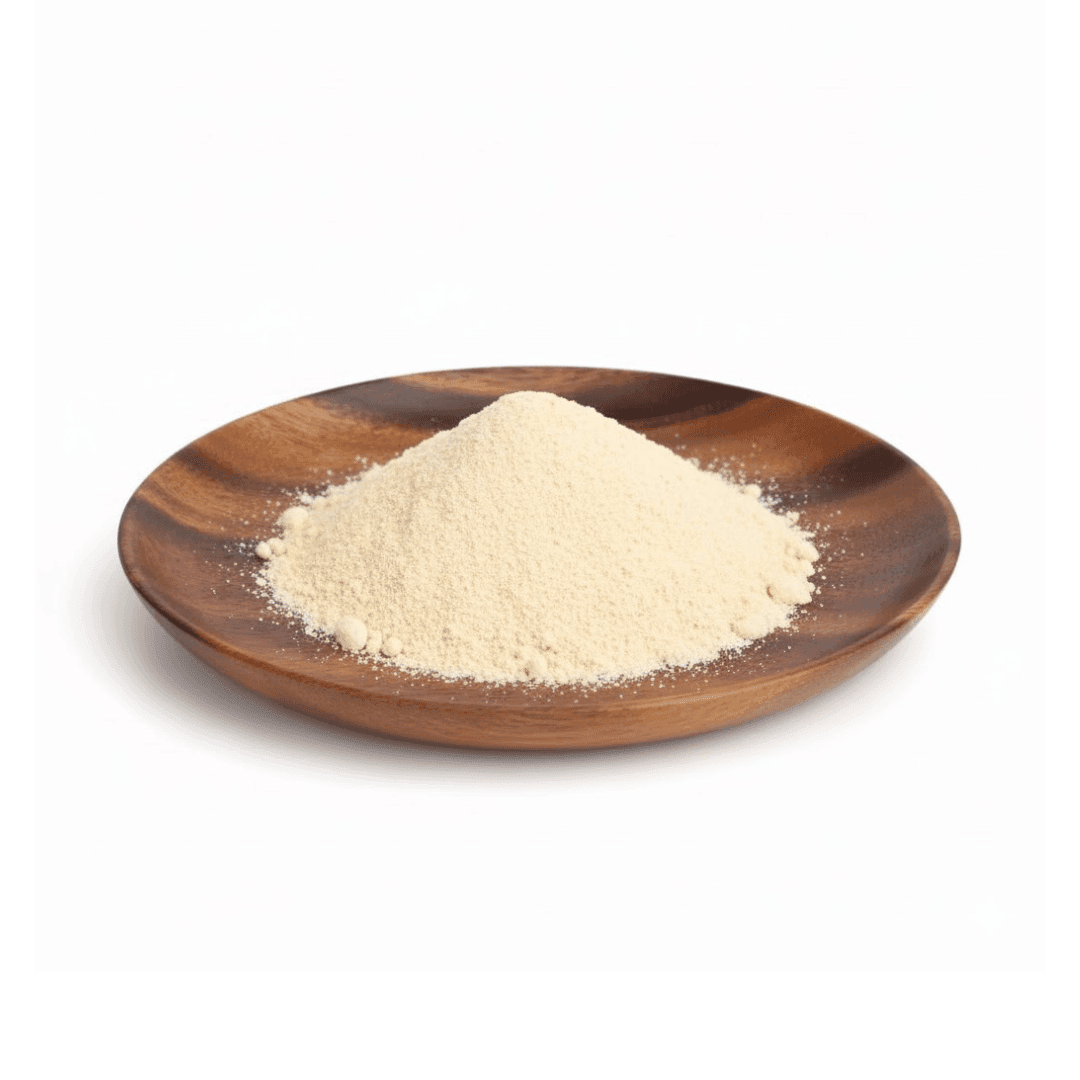
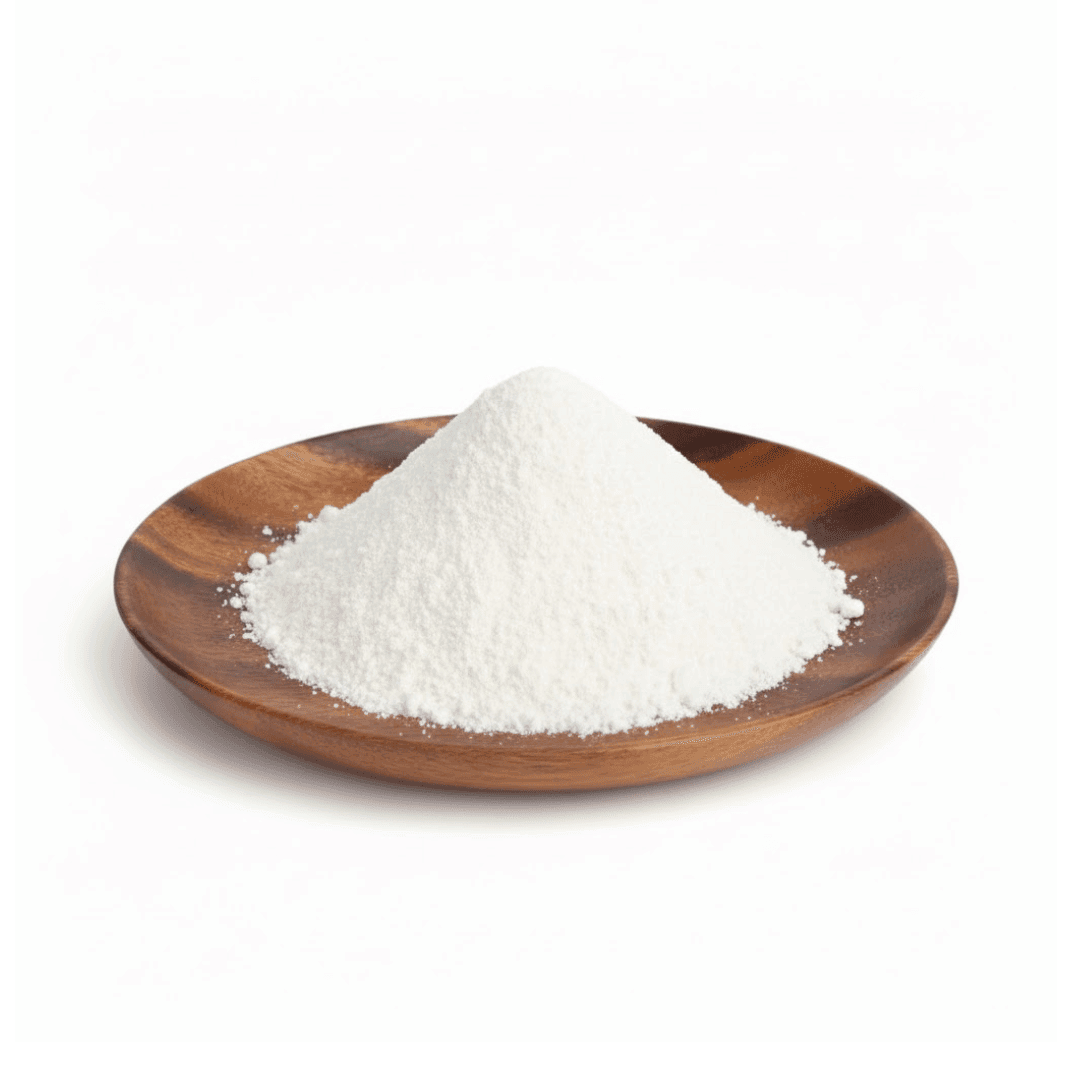
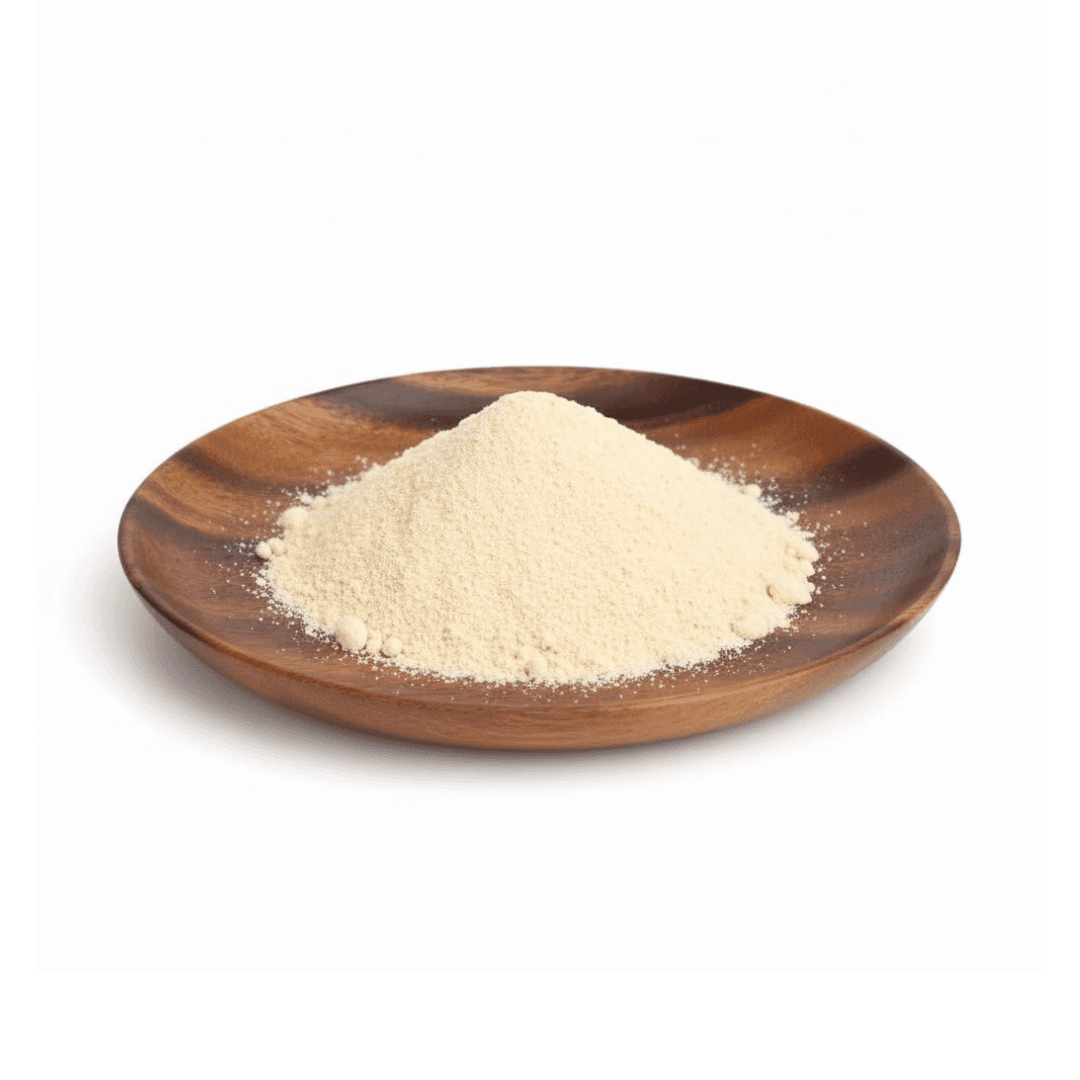
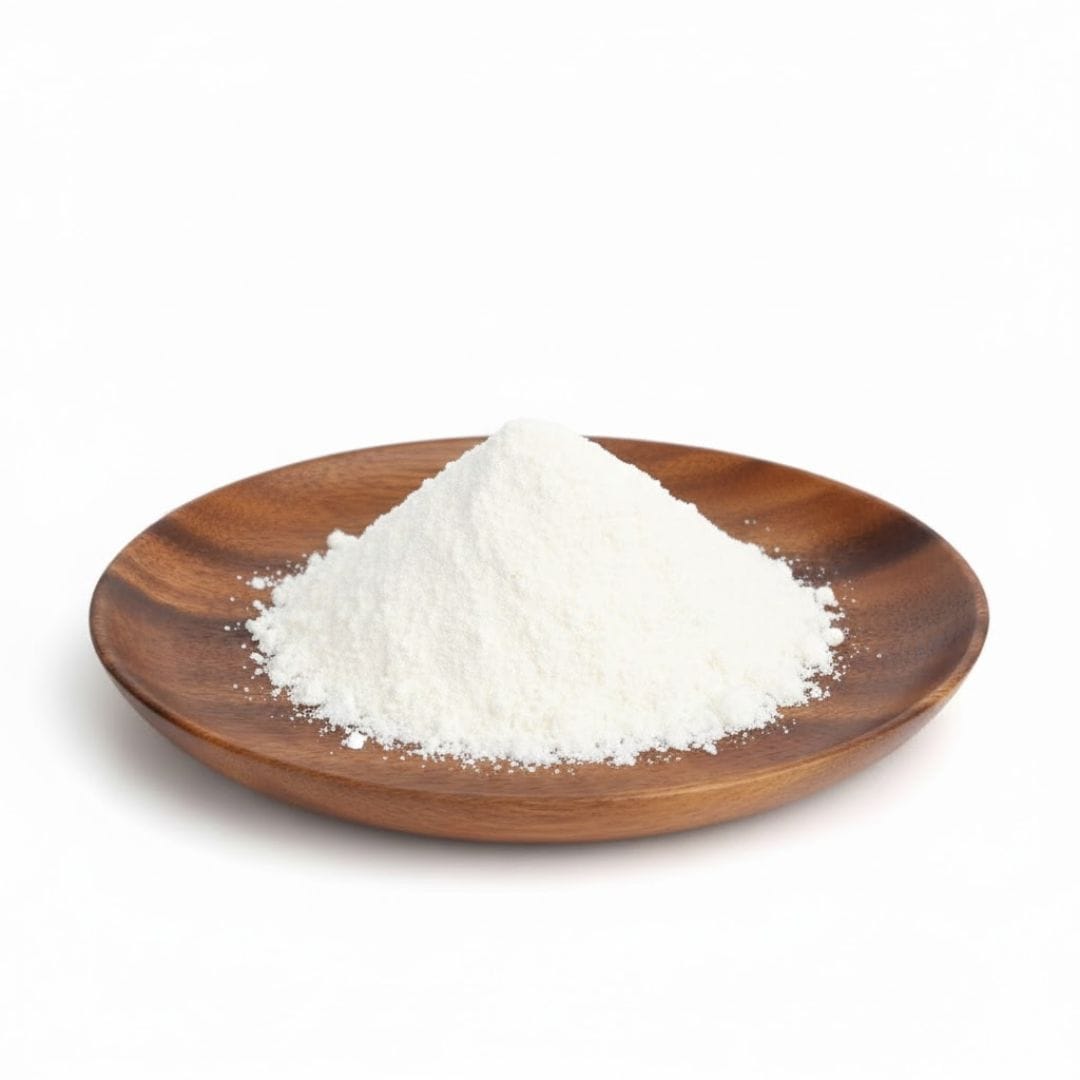
| Appearance | White to light yellow fine powder | Complies |
| Odor | Characteristic | Complies |
| Mesh Size | 95% through 80 mesh | Complies |
| Fat | ≤ 3.0% | 2.89% |
| Moisture | ≤ 10.0% | 8.77% |
| Ash | ≤ 5.0% | 4.62% |
| Heavy Metals | ≤ 10 ppm | <10 ppm |
| Arsenic (As) | ≤ 2 ppm | <2 ppm |
| Lead (Pb) | ≤ 1 ppm | <1 ppm |
| Microbiological | ||
| Total Plate Count | ≤ 1,000 cfu/g | Complies |
| Yeast & Mold | ≤ 100 cfu/g | Complies |
| Coliforms | Negative | Negative |
| Salmonella | Negative | Negative |
| Staphylococcus aureus | Negative | Negative |
Conclusion: Meets specifications.
5. Production Flow Chart
Contact us
6. Method of Analysis (MOA)
Contact us
7. NMR Spectrum
Contact us for the NMR spectrum.
8. Stability and Safety
Product remains stable at room temperature under appropriate storage. Stability data sheets are provided on request.
Per the U.S. FDA's GRAS (Generally Recognized as Safe) status, it is safe for human use.
9. Customer Feedback
10. Certifications
Botanical Essence has dedicated years to refining production processes and building robust quality systems. We maintain a comprehensive quality management framework, backed by relevant certifications.
11. Key Partners
We have forged strong partnerships with leading companies including Abbott, Unilever, Shiseido, KANS, and SIMM.
12. Trade Shows
Images from our participation in global events like CPhI, FIC, API, Vitafoods, and SupplySide West.