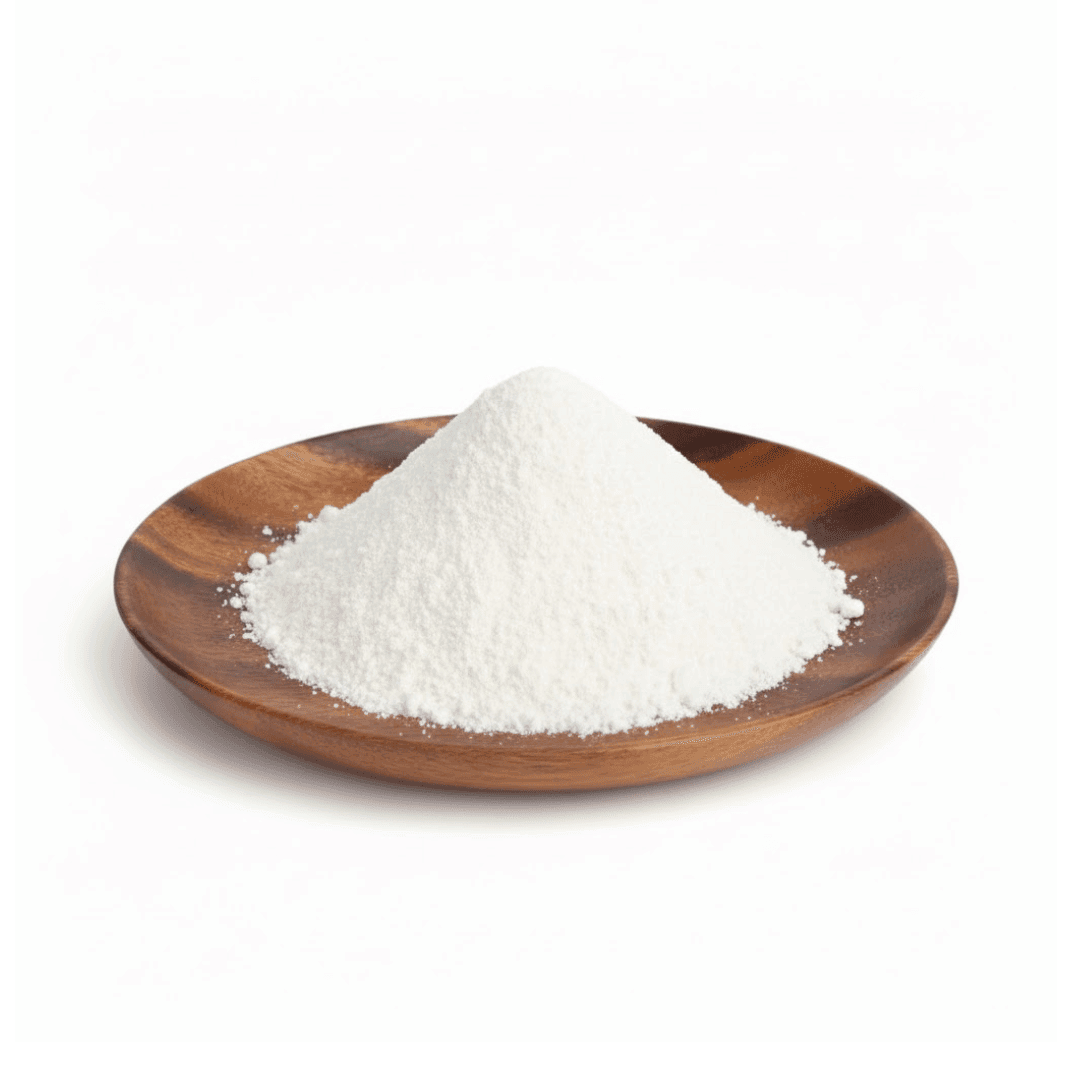
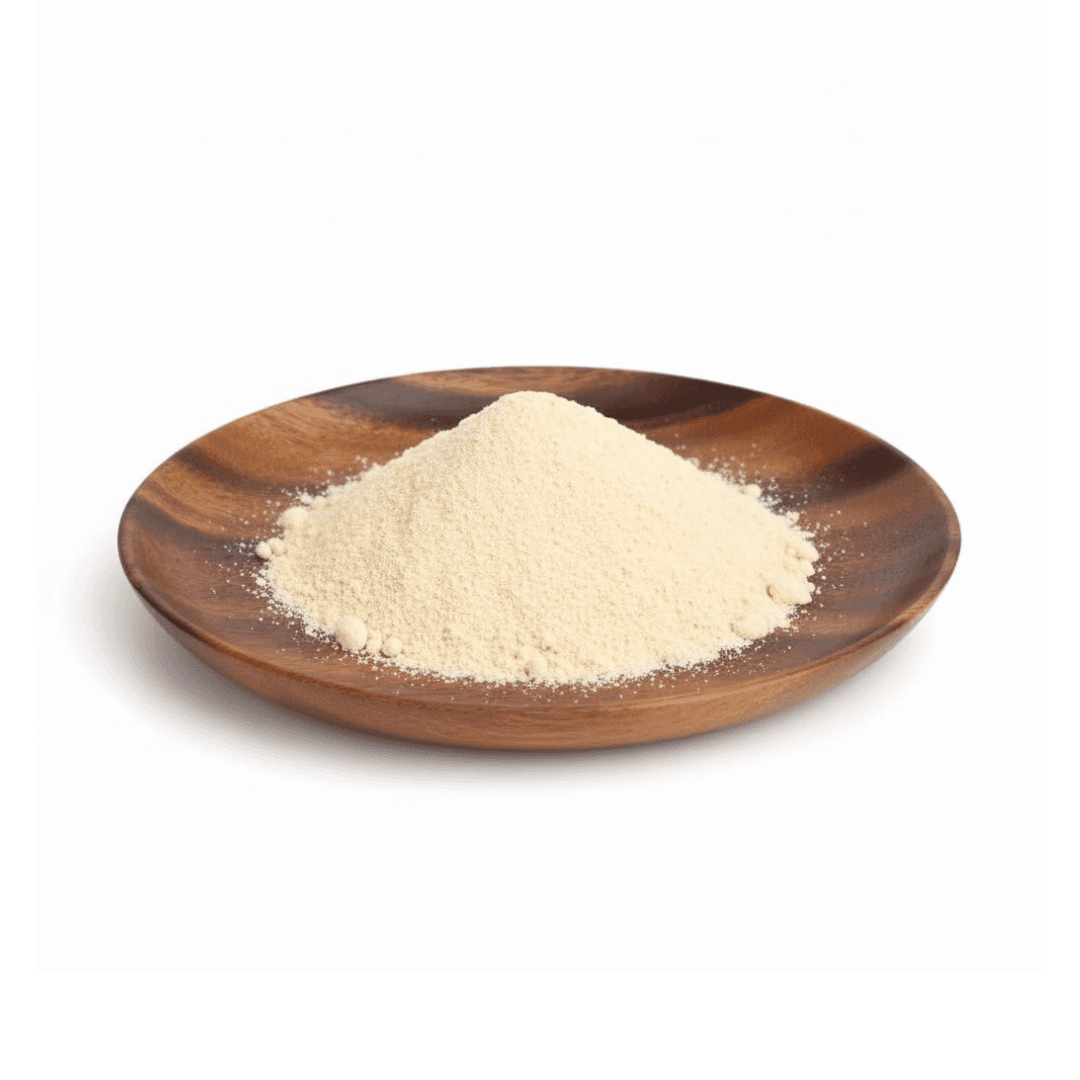
- Introduction
Soybean protein powder is a type of plant-derived protein. Its amino acid makeup is comparable to that of milk protein, with all essential amino acids present except for methionine, making it a full-spectrum plant protein. In terms of nutritional quality, it matches animal proteins and features an amino acid structure that is closest to human genetic composition, positioning it as one of the most beneficial plant-based proteins available.
- Function
Soybeans boast a high protein content, typically ranging from 40% to 50%, which is more than double that found in grains like wheat or rice. The primary form of protein in soybeans is storage protein, accounting for over 70% of the total, including key components such as 7S globulin (β-conglycinin) and 11S globulin (glycinin), along with lesser amounts of other storage proteins like 2S, 9S, and 15S. Beyond storage proteins, soybean protein includes various bioactive proteins, such as β-amylase, cytochrome c, lectin, lipoxygenase, urease, Kunitz trypsin inhibitor, and Bowman-Birk trypsin inhibitor. To enhance the digestibility of soy-based products, these inhibitors are typically removed or deactivated through specific processing methods. Additionally, commercial soy products often include compounds like isoflavones, saponins, and lecithin.
Regarding amino acid composition, soybean protein stands out as the only plant protein known to provide all nine essential amino acids required by humans, with levels that adequately meet bodily needs. It is classified as a complete protein, boasting a Protein Digestibility Corrected Amino Acid Score (PDCAAS) of 1, equivalent to that of casein or egg white. For both young children aged 2 to 5 and adults, the essential amino acid content in soybean protein fulfills daily requirements. In children, boosting levels of certain amino acids like threonine, methionine, lysine, and tryptophan can enhance metrics such as Protein Efficiency Ratio (PER) and Net Protein Ratio (NPR).
In today's world, people seek foods that are not only desirable but also free from adverse effects and packed with nutrients. No other crop offers a more abundant raw material source while meeting these criteria as effectively as soybeans. Soy protein beverages are often dubbed "green milk" by experts in nutrition due to their ability to reduce cholesterol levels in humans. Compared to milk, soy drinks have higher arginine content and a balanced arginine-to-lysine ratio; they are rich in healthy fats and linoleic acid without any cholesterol, helping to prevent heart-related issues in adults. The presence of lecithin in soy protein aids in clearing sterols from the bloodstream, earning it the nickname of a "vascular cleaner."
Soy protein beverages are more readily digestible and absorbable than milk. Milk can form large, firm curds in the stomach, whereas soy milk creates smaller, softer curds, facilitating easier digestion. Soy proteins serve as vital nutrients for individuals of all ages, yet they are often underrepresented in everyday diets. Supplementation with protein powder is advisable, particularly for vulnerable groups such as children, pregnant women, breastfeeding mothers, and seniors.
- Application
Soybean protein powder is frequently incorporated into meat products to enhance texture and nutritional value.
With its rich amino acid profile, it can be added to a variety of foods to boost their overall protein levels.
It contributes significantly to flour bleaching processes in baking.
The reducing sugars in soybean protein help improve the appearance of baked goods and enhance their taste.
- Flow Chart
[Note: As the original flow chart is not provided in the text, it is assumed to remain as a visual element and is not rewritten here.]
- Specification
| Items | Specifications | Results |
|---|---|---|
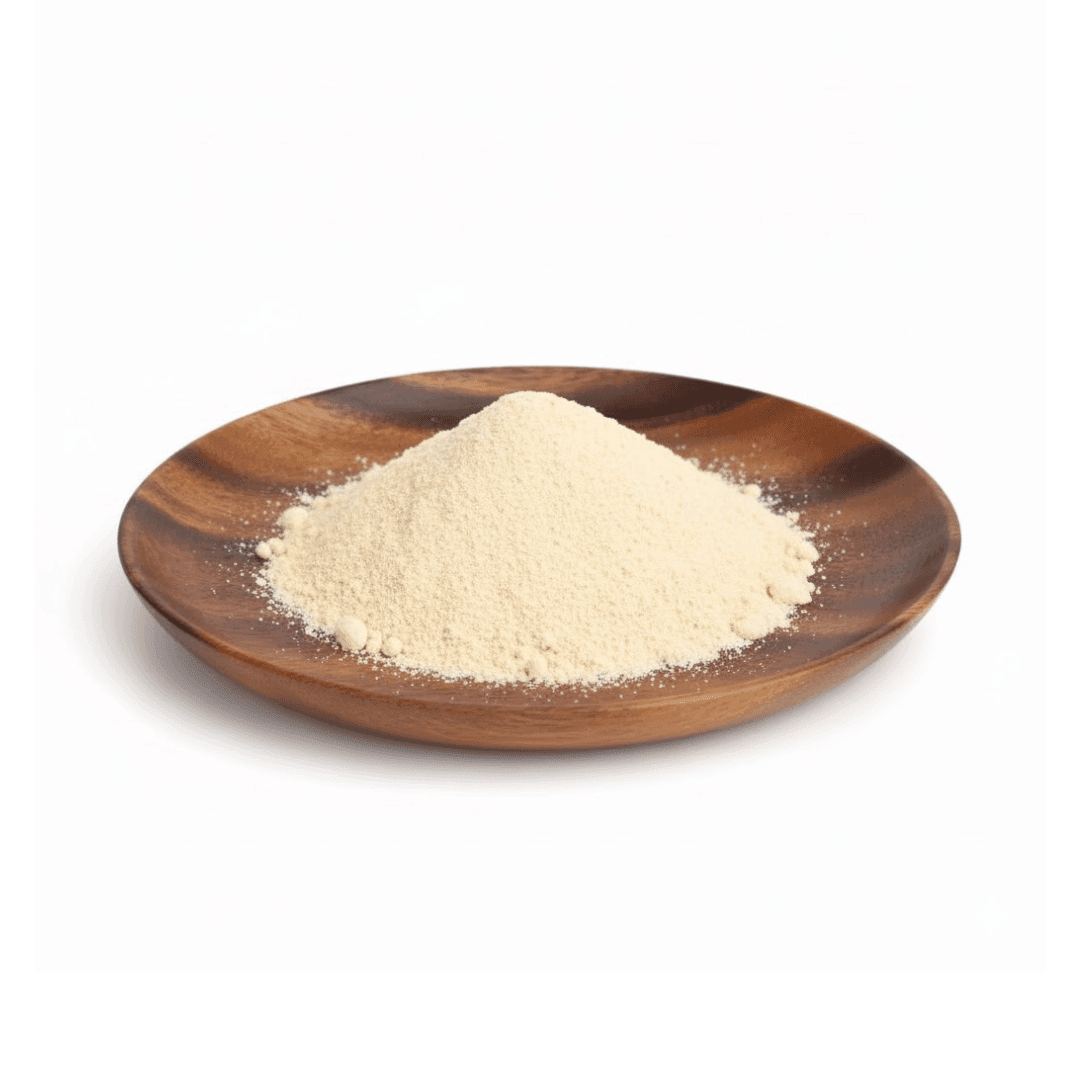
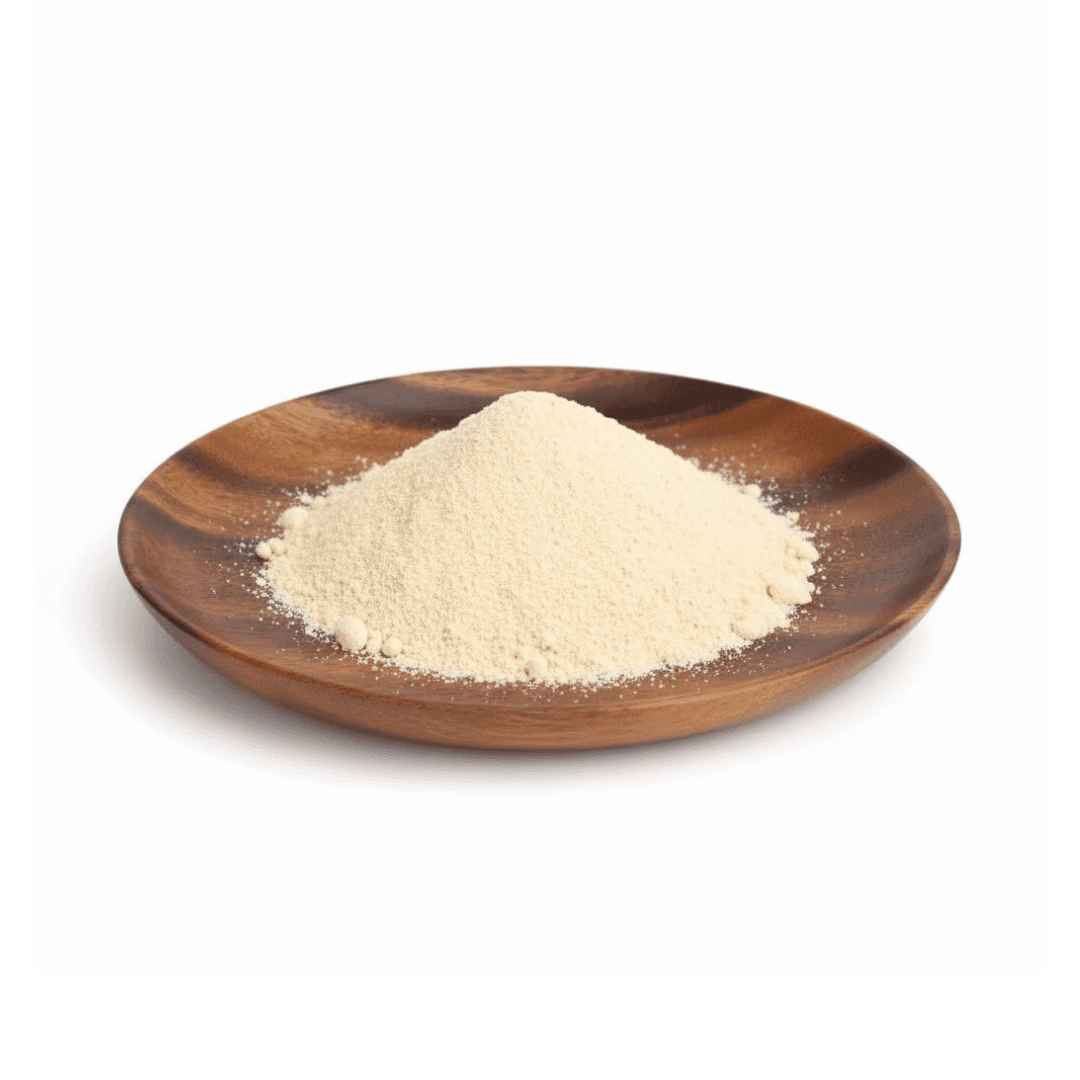
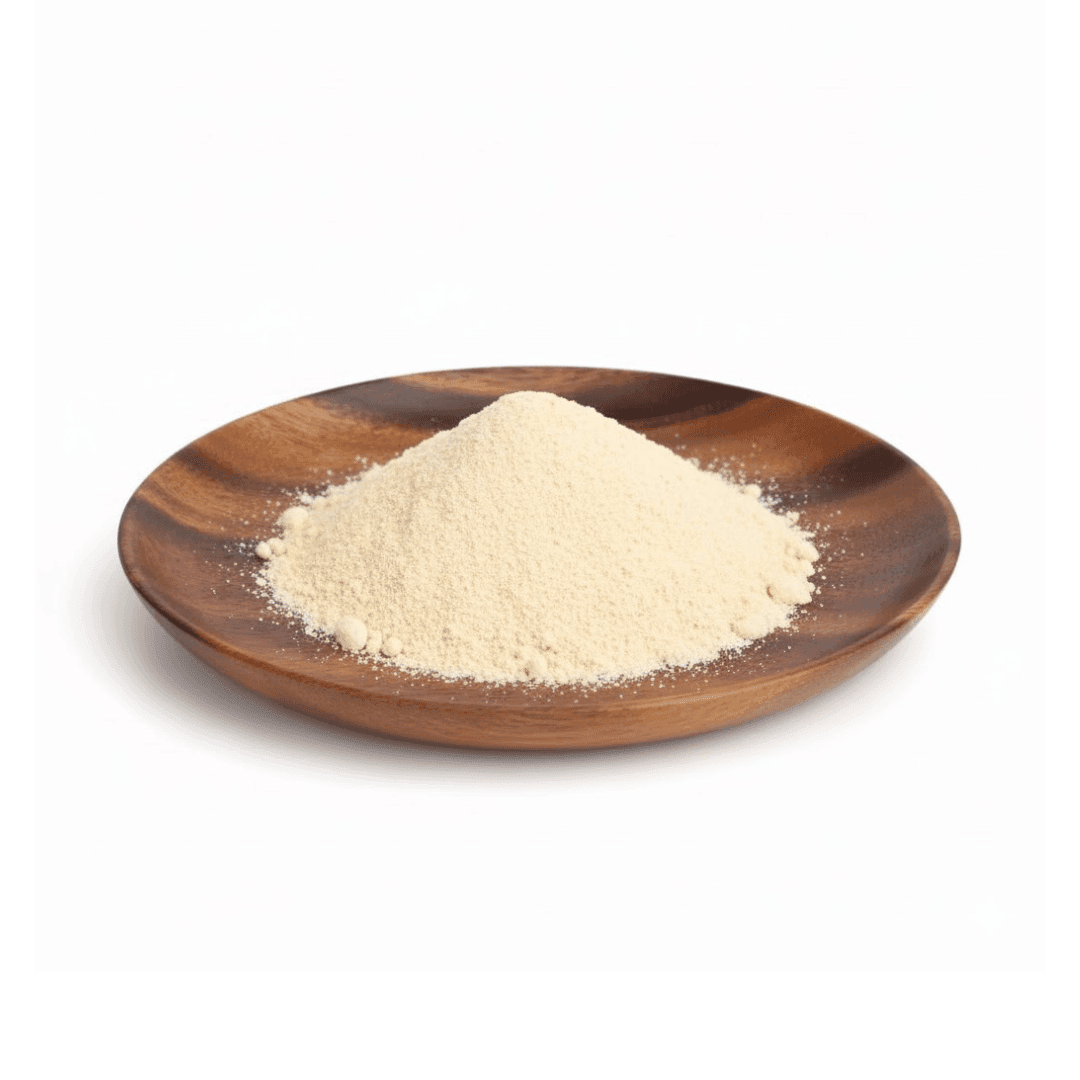
| Appearance | Light yellow powder | Complies |
| Protein | ≥90% | 90.65% |
| Ash | ≤6.0% | 4.25% |
| Moisture | ≤17.0% | 5.41% |
| Fat | ≤0.5% | 0.2% |
| pH | 6.5~7.5 | 7.2 |
| Crude Fiber | ≤4.0% | 2.4% |
| Arsenic | <2mg/kg | <2mg/kg |
| Cadmium | <1mg/kg | <1mg/kg |
| Lead | <3mg/kg | <3mg/kg |
| Mercury | <1mg/kg | <1mg/kg |
| Microbiological Content | ||
| Total Plate Count | <5000cfu/g | Complies |
| Yeast and Mold | <50cfu/g | Complies |
| Salmonella | Negative | Negative |
| E. Coli | Negative | Negative |
- MOA
- NMR
Contact us to obtain the NMR spectrum at [email protected].
- Stability and Safety
Stability:
The product remains stable when stored correctly at room temperature. A Stability Data Sheet can be provided upon request.
Safety:
In accordance with the Generally Recognized as Safe (GRAS) notification from the United States, this ingredient is considered safe for human use.
- Customer Comments
- Our Certificates
At Botanical Essence, we have dedicated years to refining our product manufacturing processes and building a robust quality management system. As a result, we have earned the necessary certifications for our quality standards.
- Our Clients
Botanical Essence has developed strong partnerships with companies such as Abbott, Unilever, Shiseido, KANS, and SIMM, among others.
- Exhibitions
Botanical Essence regularly participates in major international events, including CPhI, FIC, API, Vitafoods, and SupplySide West.