- Introduction
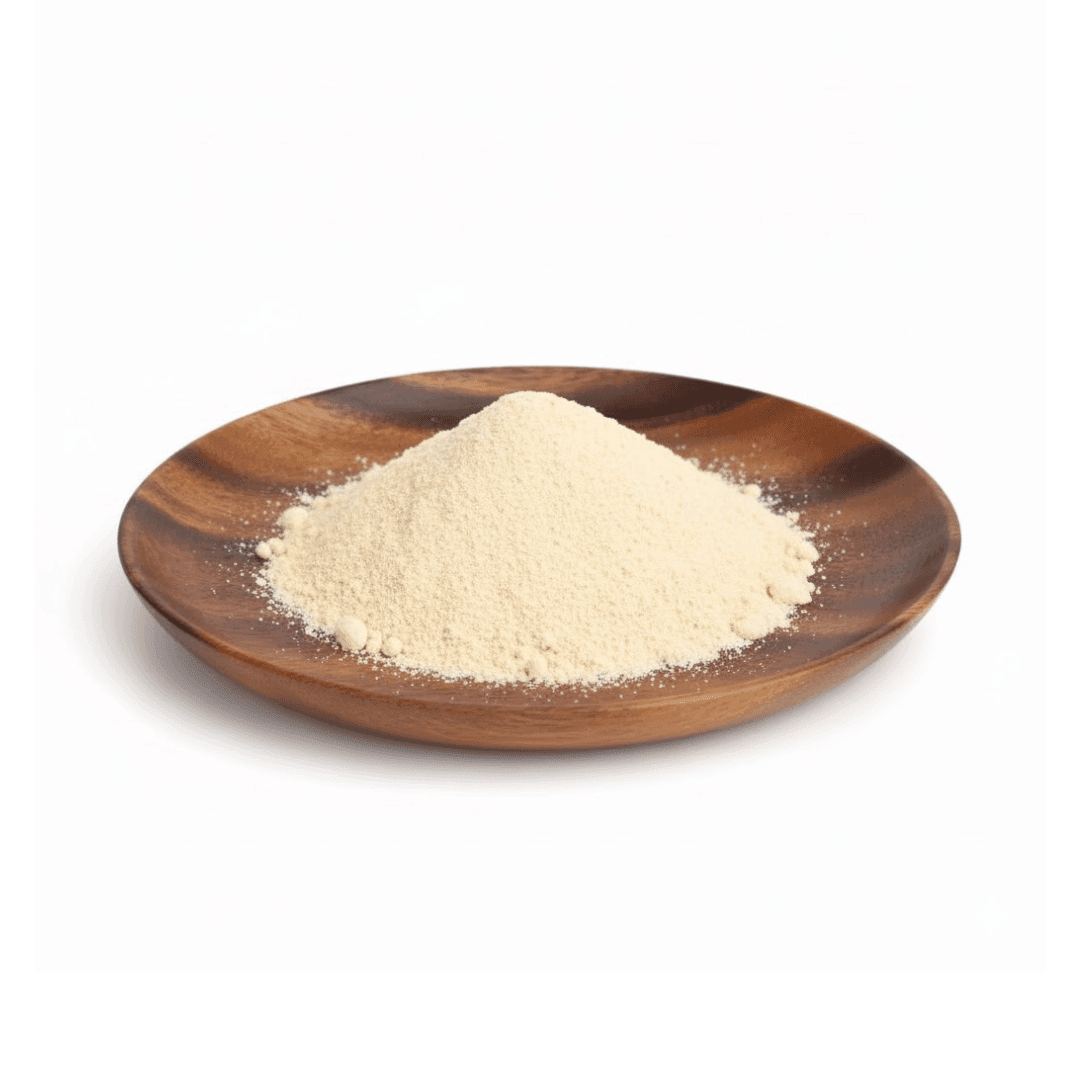
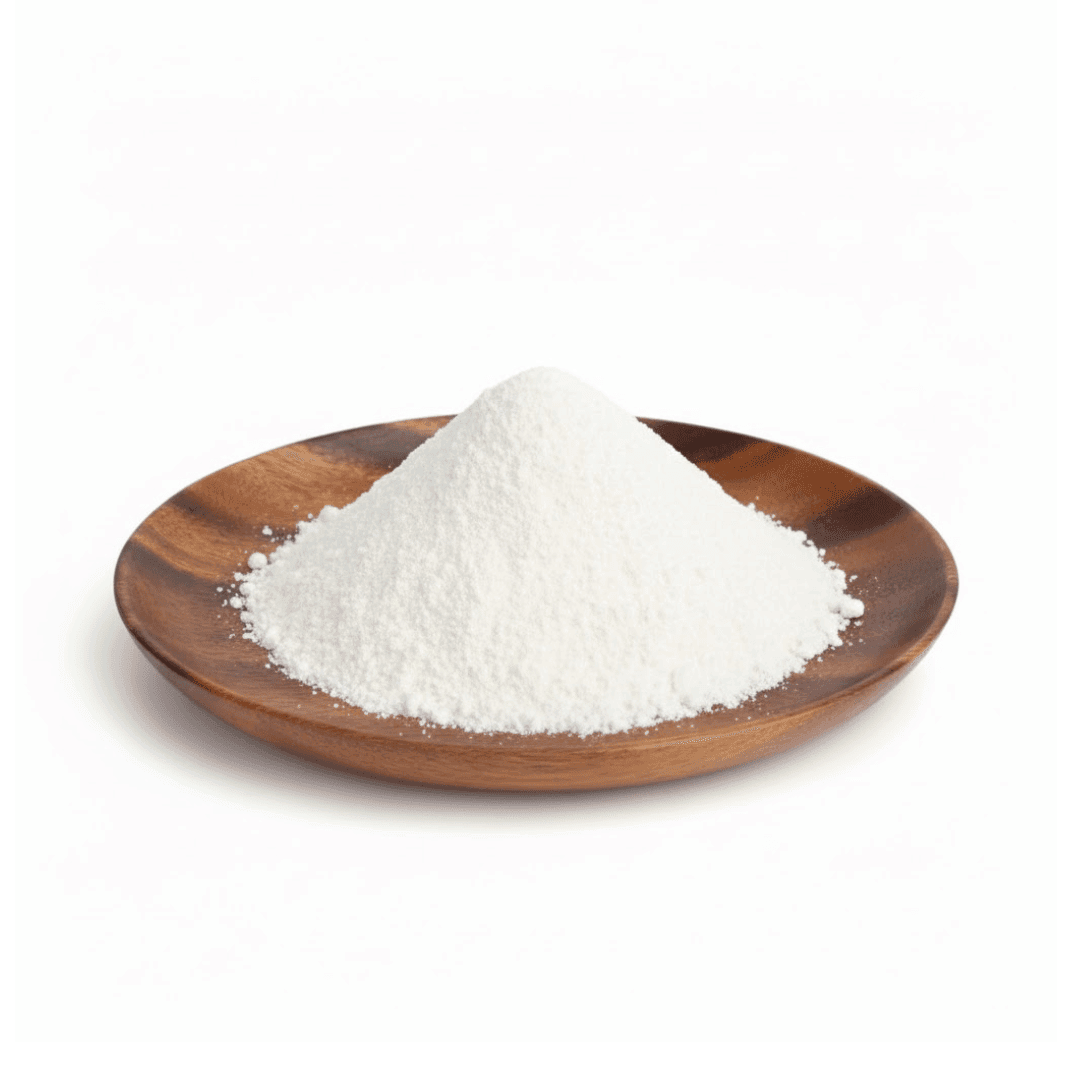
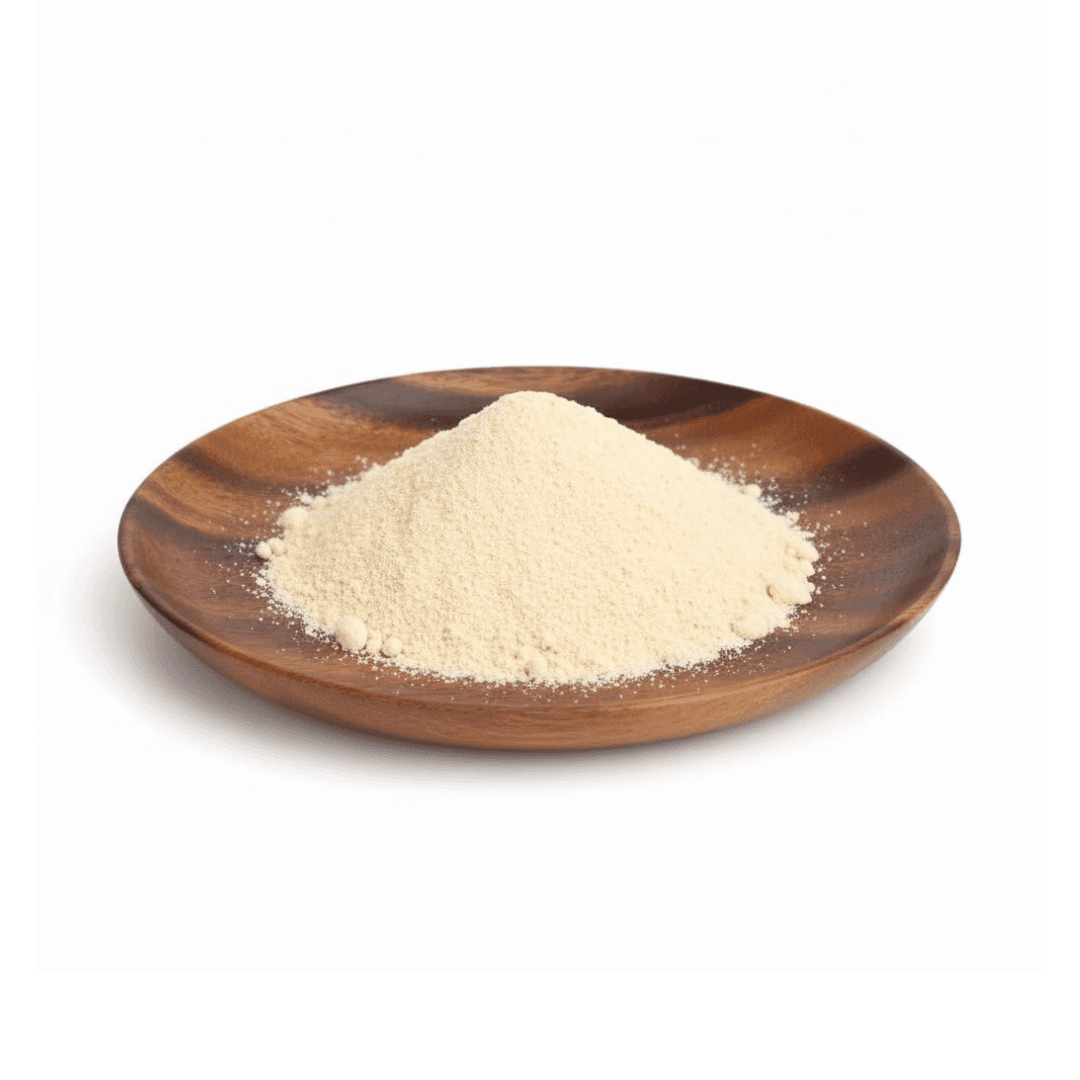
Pea protein extract, with CAS number 222400-29-5, is a plant-derived protein sourced from yellow split peas. It is gaining popularity as a plant-based substitute for proteins from animal sources, such as whey or casein, particularly among vegans and vegetarians. This protein is valued for its strong nutritional profile, as it provides essential amino acids, including branched-chain amino acids (BCAAs), which play a key role in supporting muscle development and recovery.
Pea protein also stands out for its excellent digestibility, allowing the body to efficiently absorb and use it. It is hypoallergenic, making it an ideal choice for those with food allergies or intolerances. Moreover, it is naturally free of common allergens like gluten, dairy, and soy.
From an environmental standpoint, pea protein is more sustainable than animal-based options. The cultivation of peas demands less water and land than raising livestock, positioning it as a greener alternative.
This ingredient is frequently incorporated into a variety of food items, such as protein powders, bars, shakes, and meat substitutes derived from plants. It can be seamlessly added to a well-balanced diet to enhance protein levels, aid in muscle recuperation, and contribute to overall health and wellness.
In summary, pea protein serves as a nutrient-packed and eco-conscious solution for those seeking to boost their protein consumption while adhering to plant-based or allergen-avoiding lifestyles.
- Function
Regarding its nutritional benefits, research indicates that pea protein, when compared to other plant or animal proteins, includes amino acids typically found in soy, along with essential vitamins and dietary fiber. As it lacks lactose and cholesterol, it is low in calories and free from genetically modified organisms, with a milder bean flavor that reduces the risk of allergic reactions. This makes it particularly suitable for individuals with lactose intolerance, digestive issues, or those following a vegetarian diet.
Pea protein extract fulfills human protein requirements through its high-quality composition, and its production aligns with sustainable farming practices. Unlike conventional crops that rely heavily on nitrogen fertilizers, which can harm aquatic ecosystems, peas naturally fix nitrogen from the air, converting it into a usable form. This process minimizes the need for synthetic fertilizers, helps maintain clean water systems, lowers carbon emissions, and supports environmental sustainability.
In recent years, as public awareness of nutrition grows, along with advancements in protein utilization research and greater governmental focus on environmental protection and green agriculture, the demand for pea-based products has been steadily increasing.
As a legume, peas provide vital nutrients for the human body, especially high-quality protein, and they are cholesterol-free, offering advantages over animal proteins. In contrast, proteins from sources like meat, eggs, and dairy are often high in cholesterol and fats, which can strain the cardiovascular system and kidneys over time. Excessive starch intake can lead to glucose absorption and elevated blood sugar levels, posing risks for middle-aged individuals and those with conditions like hypertension, high cholesterol, or diabetes.
Pea protein powder, being free of fats and cholesterol while reducing starch intake, assists in lowering blood fat and sugar levels. Consistent use can ease the body's load and promote better health.
For people with weakened immunity, frequent illnesses, or poor overall health, adequate protein intake is essential to support immune organs and systems, enhance metabolic functions, bolster physical resilience, and help prevent diseases.
- Application
Pea protein extract is commonly found in health care products.
This ingredient is free of estrogen, making it appropriate for diverse consumer groups, including young individuals who need extra protein without impacting their growth.
It qualifies as a high bioavailability protein due to its full spectrum of amino acids, which are absorbed more effectively than those in soy protein.
The product is abundant in essential branched-chain amino acids (such as valine, isoleucine, and leucine), making it a staple in health care formulations.
It can also be added to snacks and energy drinks to provide a protein boost.
Pea protein extract supports weight management, promotes muscle protein synthesis, and offers antioxidant and anti-aging properties.
- Flow Chart
Begin by soaking peas in water for 12-24 hours, followed by rinsing with fresh water. Next, use a grinder to process them, repeating the grinding of the pea residue three times. Centrifuge the resulting mixture at 1500 rpm for 3 minutes to eliminate impurities. Adjust the pH of the supernatant to 4.4 with acid to isolate the protein, then centrifuge again to discard the liquid. Treat the acid-precipitated protein with alkali to reach a pH of around 7.0 for dissolution, homogenize the solution, and finally, use spray drying to produce pea protein powder.
- Specification
| Items | Specifications | Results |
|---|---|---|
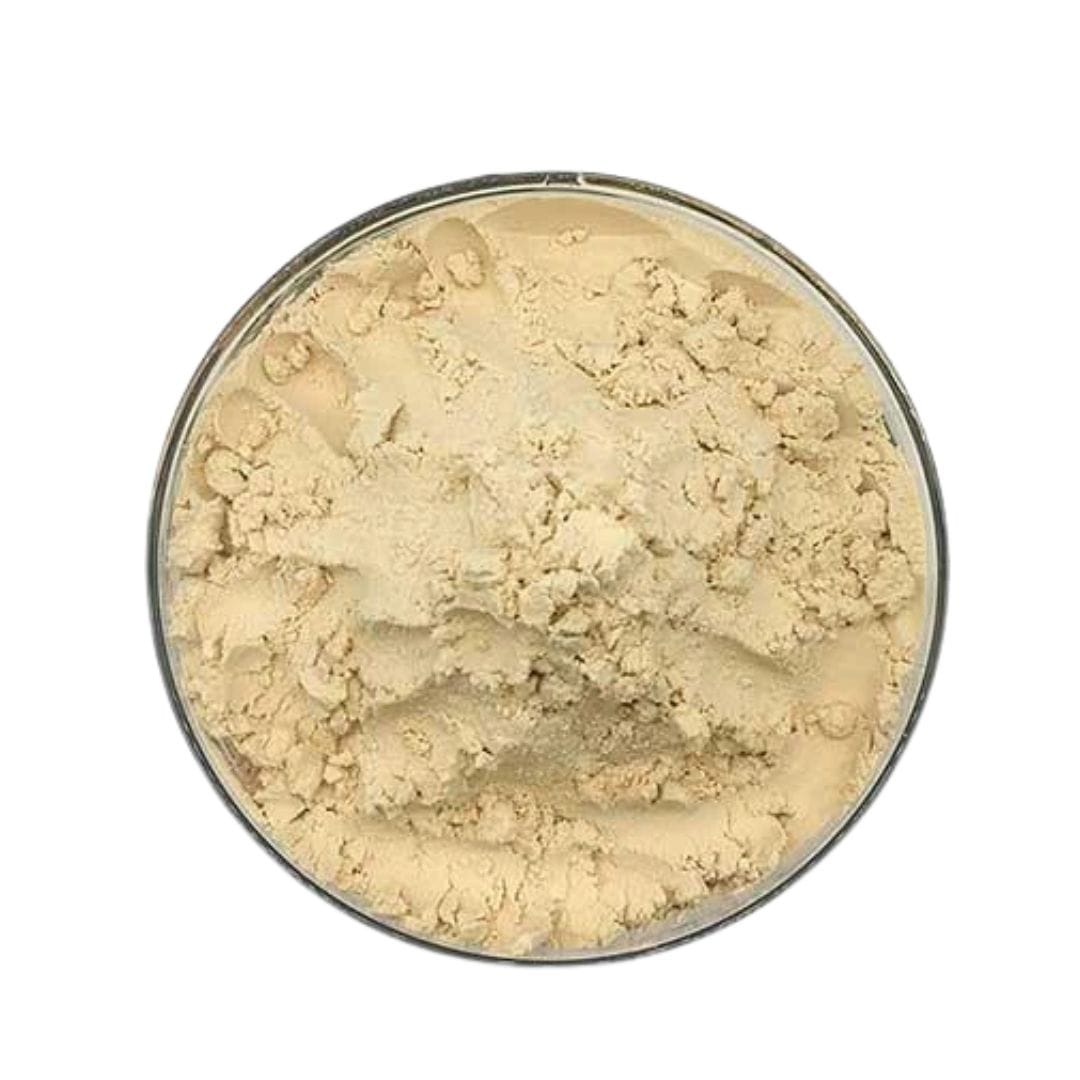
| Appearance | Light yellow powder | Complies |
| Protein | ≥90% | 92.25% |
| Ash | ≤6.0% | 4.51% |
| Moisture | ≤17.0% | 5.98% |
| Fat | ≤0.5% | 0.2% |
| pH | 6.5~7.5 | 7.2 |
| Crude Fiber | ≤4.0% | 2.4% |
| Arsenic | <2 mg/kg | <2 mg/kg |
| Cadmium | <1 mg/kg | <1 mg/kg |
| Lead | <3 mg/kg | <3 mg/kg |
| Mercury | <1 mg/kg | <1 mg/kg |
| Microbiological Content | ||
| Total Plate Count | <5000 cfu/g | Complies |
| Yeast and Mold | <50 cfu/g | Complies |
| Salmonella | Negative | Negative |
| E. Coli | Negative | Negative |
MOA
NMR
Contact Botanical Essence at [email protected] to obtain the NMR.
- Stability and Safety
Stability:
The product remains stable when stored under appropriate conditions, such as room temperature. A Stability Data Sheet can be provided upon request.
Safety:
As per the Generally Recognized As Safe (GRAS) notice from the US, this ingredient is considered safe for human use.
Customer Comments
Our Certificates
At Botanical Essence, we have dedicated years to refining our product manufacturing processes and building a robust quality management system. We have successfully obtained the necessary certifications for this system.
- Our Clients
Botanical Essence has forged strong partnerships with leading companies, including Abbott, Unilever, Shiseido, KANS, and SIMM, among others.
- Exhibitions
Botanical Essence regularly participates in major international events, such as CPhI, FIC, API, Vitafoods, and SupplySide West.