Introduction
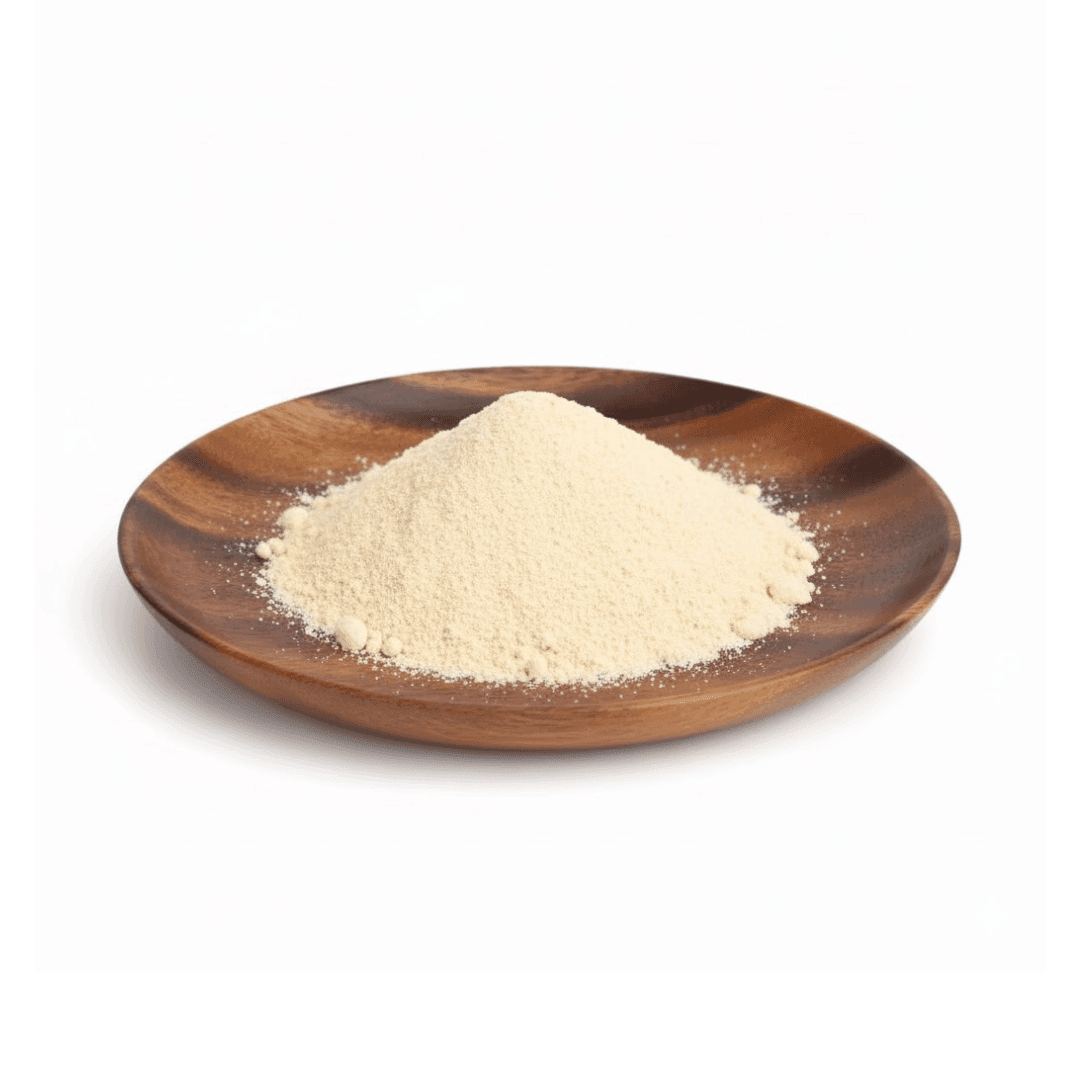
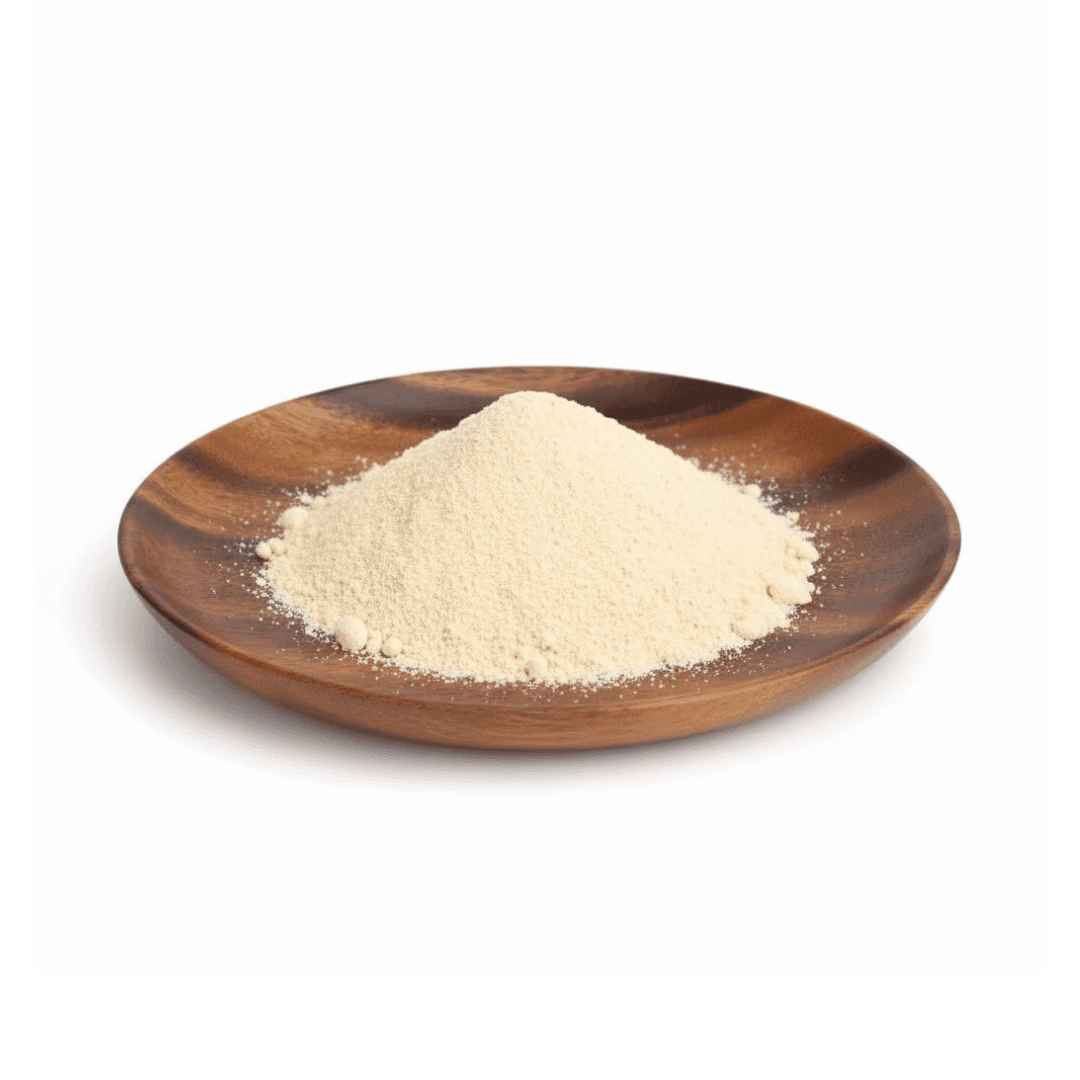
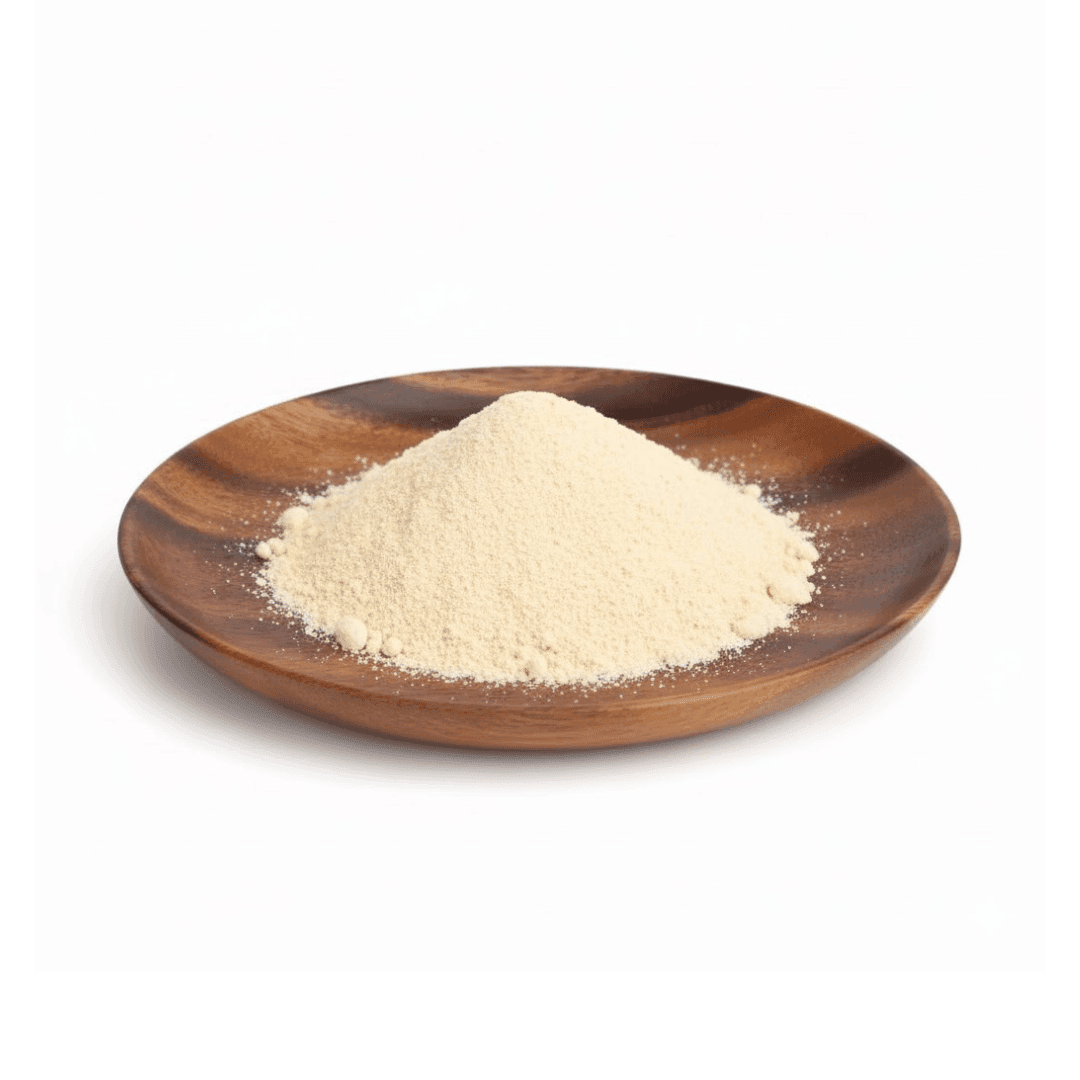
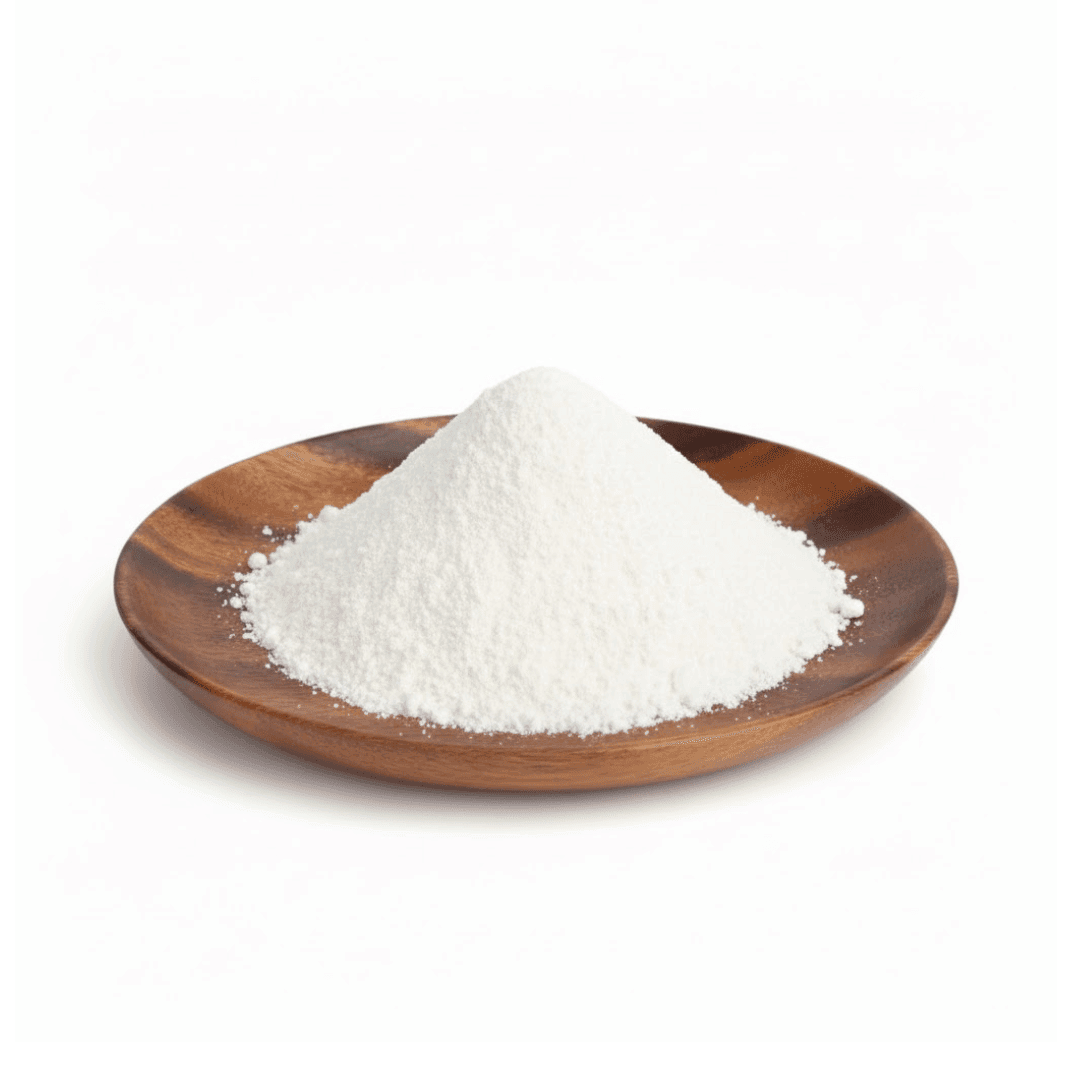
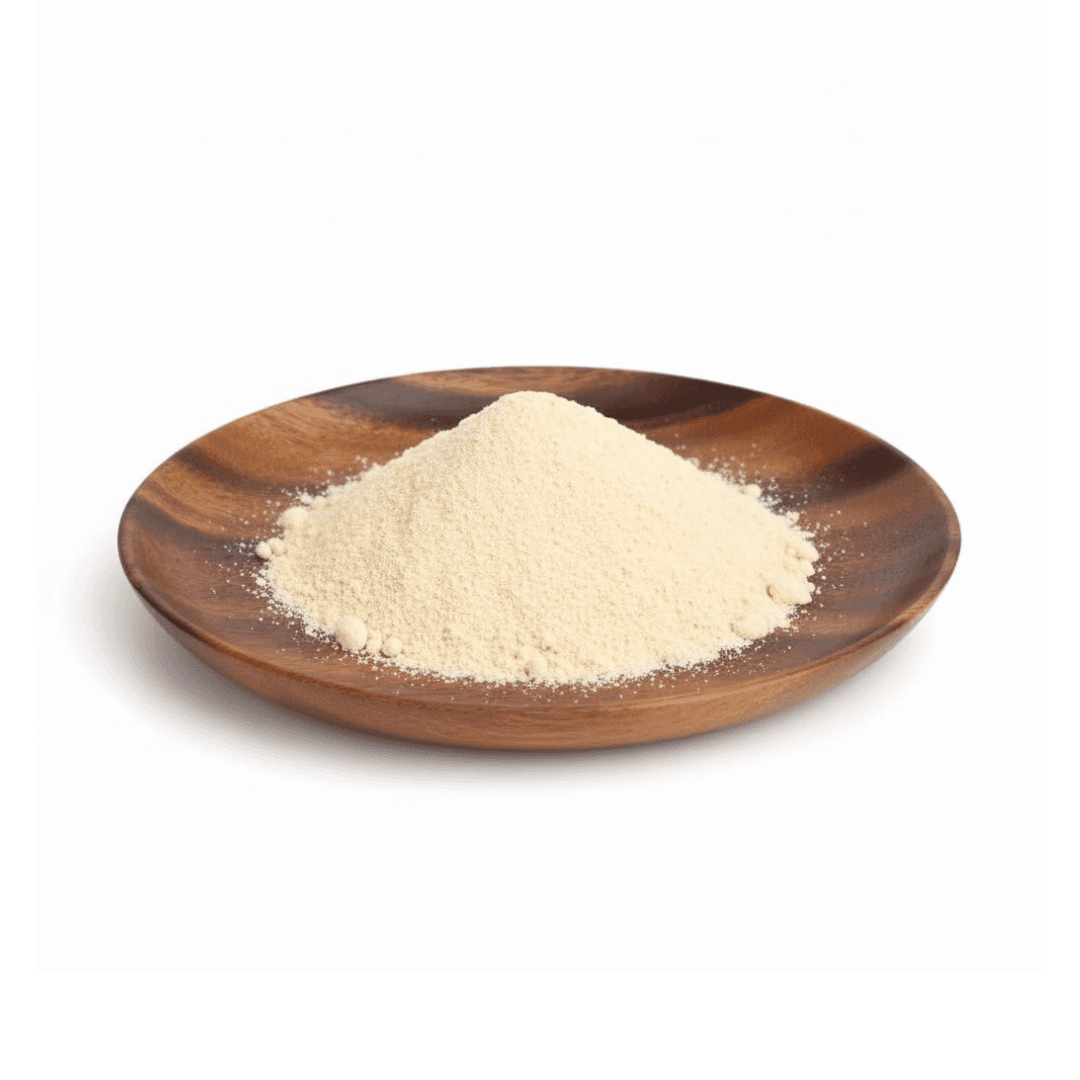
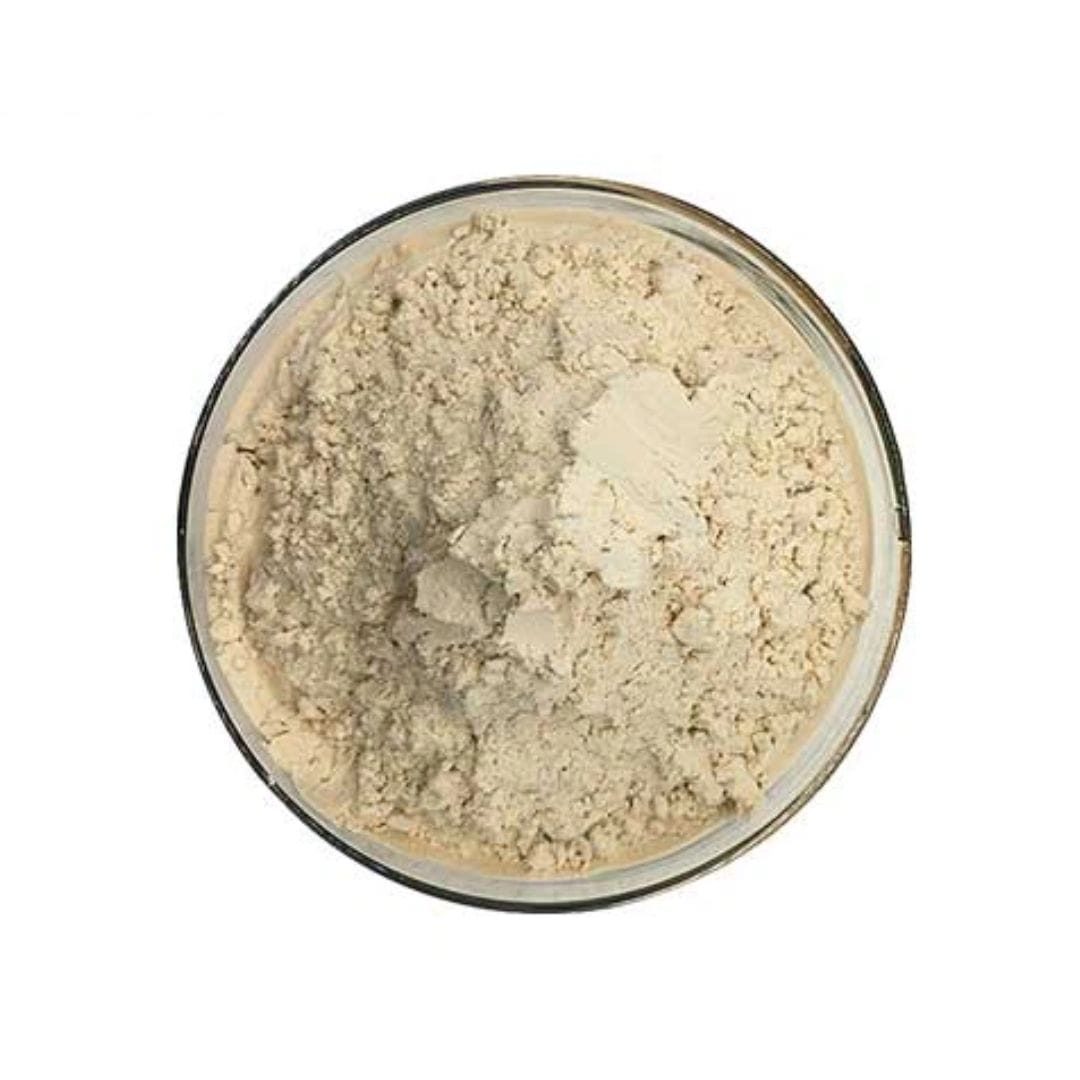
Organic rice protein is primarily made up of four main protein types: albumin, globulin, alcohol-soluble protein, and gluten. In addition, rice byproducts like rice bran are chiefly composed of endosperm protein, which includes albumin (4%-9%), salt-soluble globulin (10%-11%), alcohol-soluble gluten (3%), and alkali-soluble gluten (66%-78%).
Function
Organic rice protein offers better quality than wheat protein or corn protein, thanks to its rich lysine content and minimal potential for allergic reactions, making it an excellent choice for infant nutrition products.
Organic rice protein helps in reducing cholesterol levels.
It provides a reliable source of protein for everyday consumption.
Application
Organic rice protein is commonly used in the production of high-protein, low-allergen infant formula rice-based foods, due to its reduced antigenic properties and excellent nutritional value.
Rice protein serves as an effective food emulsifier, foaming agent, and nutritional booster.
Organic protein can function as a delivery system for flavor compounds and nutritional additives, or as an agent for isolating, safeguarding, and maintaining product stability.
Organic protein is also incorporated as an additive in the animal feed sector.