
1-1.png?orientation=landscape&width=1080&height=1080)
1.png?orientation=landscape&width=1080&height=1080)
- Introduction
Tomato (Solanum lycopersicum L.) belongs to the Solanaceae family and is an annual plant that typically reaches heights of up to 2 meters. Its stems are vulnerable to bending or collapsing; the leaves form pinnate compounds with a wedge-shaped base, featuring uneven and jagged edges; the flowers are radially symmetric and yellow, with narrow, oblong petals; the fruits are flattened or nearly round, packed with juice, and colored orange or vibrant red, with a smooth exterior, blooming during the summer and fall seasons; the seeds are yellow and covered in fine hairs.
Originating from South America, tomatoes began as wild berries in the region. Early perceptions held them as visually striking but poisonous, dubbing them "fox fruits" and using them solely for decoration. Upon their introduction to China, they were initially grown as ornamental plants. It wasn't until the mid-to-late 19th century that tomatoes gained popularity as food in China, leading to widespread cultivation in major cities like Shanghai. Today, key producers include the United States, Russia, Italy, and China, with tomatoes being grown across both northern and southern regions of China, making them one of the most commonly cultivated fruits and vegetables globally. Tomatoes thrive in warm conditions and adapt well to various soils, though they require ample nutrients. They have poor tolerance for waterlogged areas and need proper drainage.
Tomatoes are packed with nutrients such as carotene, vitamin C, and B vitamins, offering substantial health benefits. They can be consumed as vegetables or fruits, either fresh or cooked. Processed forms include ketchup, tomato juice, and chopped tomatoes. Notably, tomatoes contain lycopene, a powerful antioxidant that helps lower blood pressure, reduce inflammation, and detoxify the body, and it can be isolated for use in health supplements. However, unripe tomatoes contain alkaloids that may cause poisoning if consumed in excess.
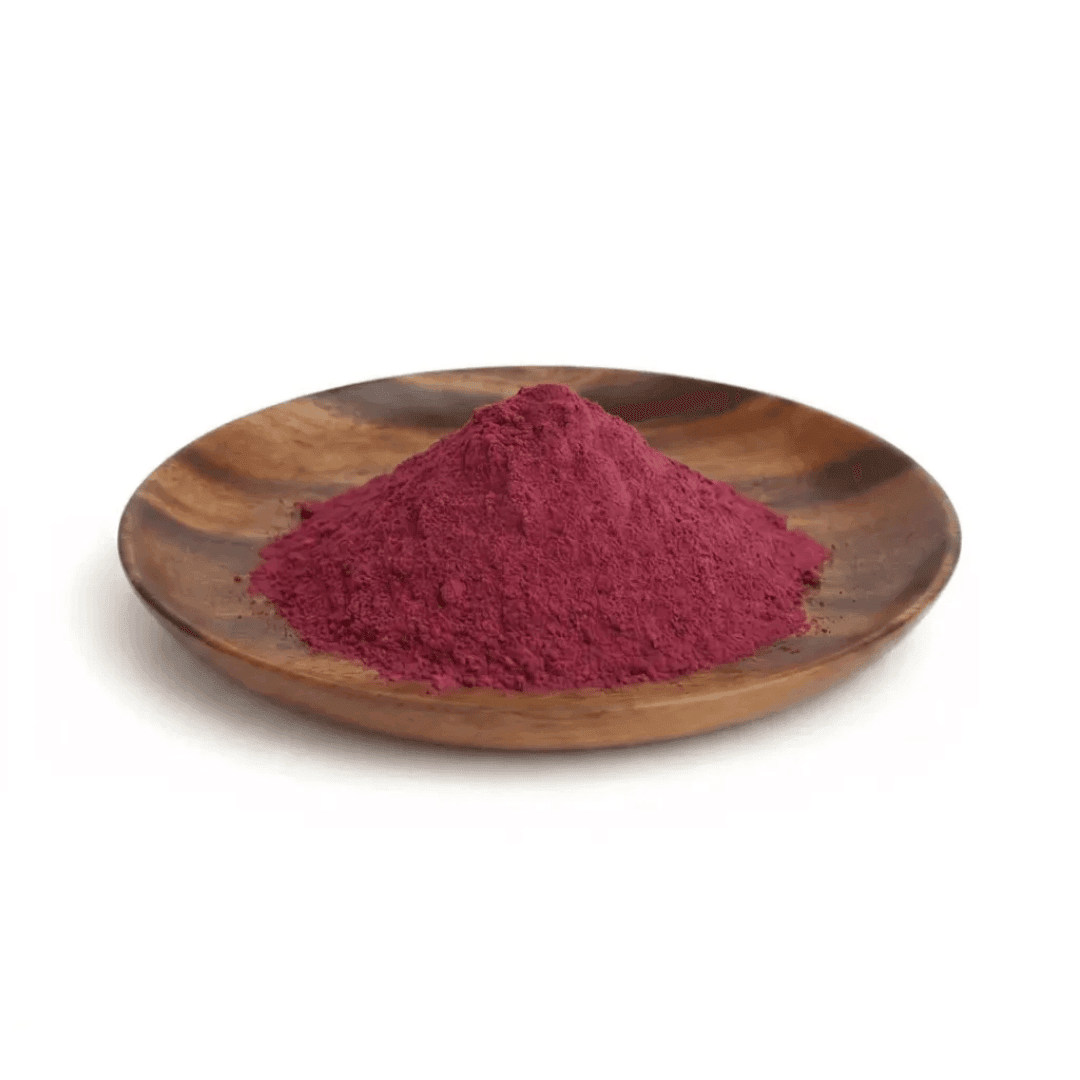
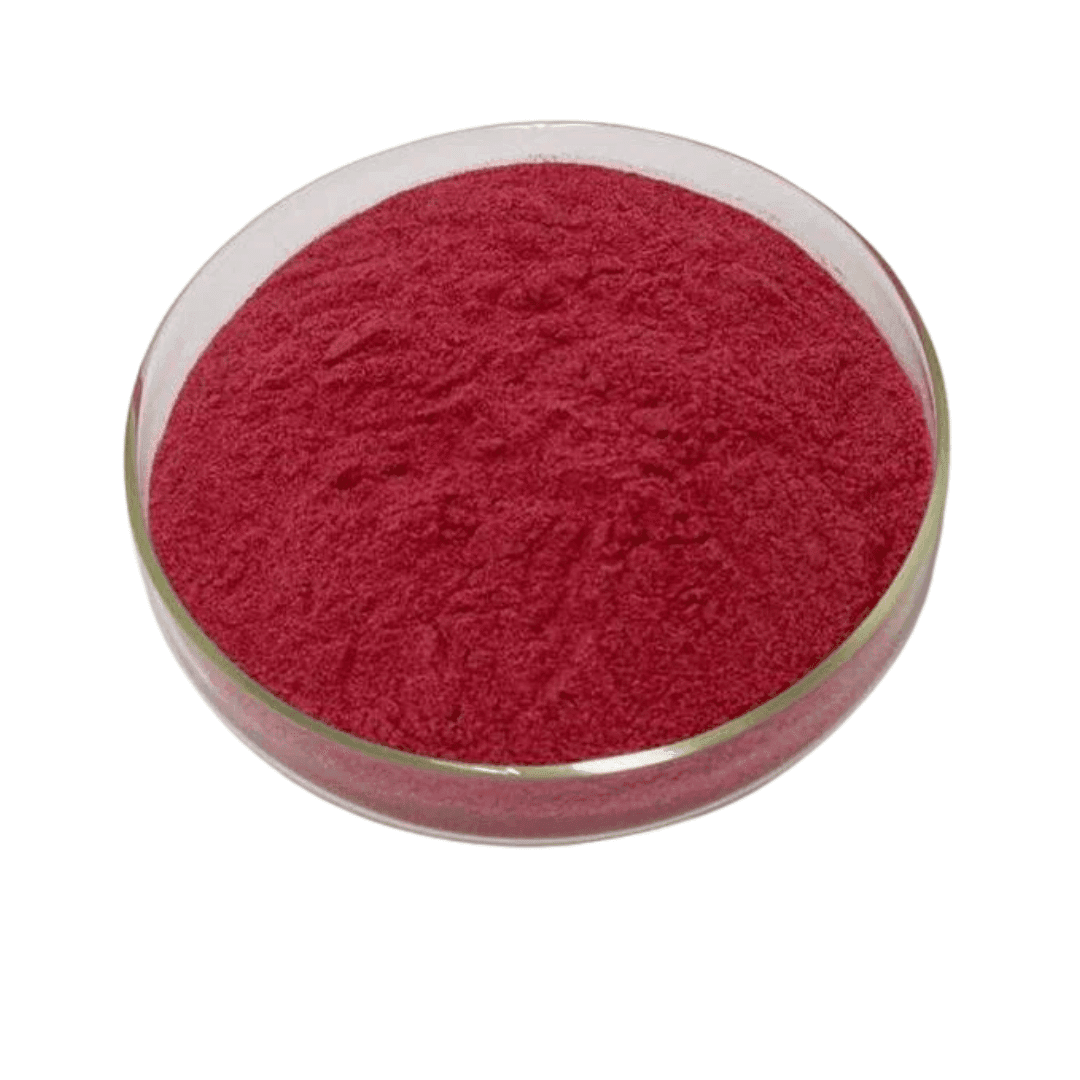
Lycopene powder is a type of carotenoid found in plant-based foods and serves as a red pigment. It appears as dark red needle-like crystals, dissolving easily in substances like chloroform, benzene, and oils but not in water. Lycopene is sensitive to light and oxygen, turning brownish when exposed to iron. Its chemical formula is C40H56, with a molecular weight of 536.85. The structure includes 11 conjugated double bonds and 2 non-conjugated double bonds, forming a linear hydrocarbon chain. While it lacks the activity of vitamin A, it exhibits strong antioxidant properties. Higher concentrations are present in ripe red fruits, particularly in tomatoes, carrots, watermelons, papayas, and guavas. It functions as a coloring agent in food production and as a base for antioxidant dietary supplements. Lycopene is commonly found in tomatoes, tomato-derived products, watermelons, and grapefruits, serving as the primary pigment in fully ripened tomatoes and one of the most prevalent carotenoids.
- Functions
Lycopene powder features a long-chain polyunsaturated olefin structure, granting it exceptional capacity to neutralize free radicals and resist oxidation. Current studies on its biological roles emphasize its antioxidant effects, potential to decrease cardiovascular disease risks, minimize genetic harm, and hinder tumor growth and progression.
2.1 Boost immune response and reduce inflammation
Oxidative stress is viewed as a primary factor in the rise of cancers and cardiovascular issues. Numerous tests have verified lycopene's antioxidant prowess in lab settings. For instance, lycopene's ability to neutralize singlet oxygen exceeds that of β-carotene, a standard antioxidant, by more than double, and it is 100 times more effective than vitamin E.
2.2 Support heart and vascular health
Lycopene powder effectively clears vascular waste, balances cholesterol levels in the blood, shields low-density lipoprotein (LDL) from oxidation, repairs and enhances damaged cells, encourages the development of intercellular substances, and improves blood vessel resilience. Research indicates an inverse relationship between serum lycopene levels and the occurrence of strokes or brain hemorrhages. In studies on rabbits, lycopene has been shown to lower total cholesterol (TC), triglycerides (TG), and LDL cholesterol levels, with effects comparable to those of fluvastatin sodium. Additional findings suggest lycopene protects against localized brain ischemia by combating oxidation and eliminating free radicals, thereby reducing affected brain tissue.
2.3 Defend skin against sun damage
Lycopene powder helps mitigate skin injury from radiation or ultraviolet (UV) exposure. When UV rays hit the skin, lycopene binds to the resulting free radicals, safeguarding skin tissues. Compared to non-exposed skin, UV-irradiated skin shows a 31% to 46% drop in lycopene, with little change in other compounds. Regular consumption of lycopene-rich foods can combat UV effects, preventing sunburn and redness. It also neutralizes free radicals in skin cells, effectively fading age spots.
2.4 Strengthen the immune system
Lycopene powder activates immune cells, protects phagocytes from self-inflicted oxidative damage, supports the growth of T and B lymphocytes, enhances effector T-cell activity, boosts certain interleukin production, and curbs inflammatory mediators. Evidence shows that moderate doses of lycopene supplements can enhance overall immunity and lessen the immune impact of intense physical activity.
- Applications
3.1 In health products and sports nutrition
Data from GNPD reveals 177 new supplements incorporating lycopene worldwide. As per the China National Medical Products Administration (NMPA), 31 lycopene-based health products have received national approvals, including 2 imports and the rest domestic. These products primarily target oxidation prevention, anti-aging, immunity boosting, and blood lipid regulation, mostly in capsule form, with a few tablets and oils.
3.2 In cosmetics
GNPD statistics indicate 81 new skin care items and 51 cosmetics with lycopene. Examples include lycopene-infused moisturizing lotions that offer whitening and anti-aging benefits. In the domestic market, lycopene whitening serums are popular for their antioxidant, anti-allergy, and skin-lightening properties.
3.3 In food and beverages
Lycopene is recognized as a "novel food" in Europe and holds GRAS (generally recognized as safe) status in the U.S., with non-alcoholic drinks being the most common application. GNPD reports include 20 new products: 7 in baked goods and cereals; 7 in processed meats, fish, and eggs; 7 in dairy; 6 in chocolates and candies; 5 in sauces and seasonings; and 5 in desserts and frozen treats. When added to dairy, it preserves nutritional value while adding health benefits.
3.4 In meat products
Oxidation during processing and storage can alter the color, texture, and flavor of meat products. Microbial growth, especially harmful bacteria, can cause spoilage. Traditionally, chemical preservatives like nitrites are used to inhibit microbes and maintain quality, but they can form carcinogenic nitrosamines. Lycopene, the dominant red pigment in tomatoes and similar fruits, acts as a potent antioxidant and coloring agent. The acidity from lycopene-rich tomato products can lower pH levels, curbing spoilage organisms. Thus, lycopene serves as a natural alternative to nitrites for preservation and coloration.
3.5 Application in edible oils
Edible oils often undergo oxidative degradation during storage, leading to quality loss and potential health risks from long-term consumption. To prevent this, antioxidants are typically added, but safety concerns have driven interest in natural options. Lycopene's strong antioxidant capabilities allow it to quench singlet oxygen, eliminate free radicals, and prevent lipid breakdown, making it an effective additive to extend oil shelf life.
3.6 In other uses
As a carotenoid that the human body cannot produce, lycopene must be obtained through diet. Following its health benefits' discovery, companies such as Henkel in the U.S. and Makhteshim in Japan have developed medications featuring lycopene for benefits like blood pressure reduction, cholesterol management, and cancer cell inhibition, with notable results. In China, lycopene's use in food or medical applications remains limited. It acts as a nutritional enhancer for overall wellness. Japanese lycopene extracts are utilized in drinks, chilled foods, meats, and bakery items. Due to its unique properties, lycopene is a key ingredient in modern functional foods, such as antioxidant capsules or blended medicinal canned goods.
Quality Standards
Analysis Methods
The primary techniques for extracting and isolating lycopene involve organic solvent methods, enzymatic processes, microbial fermentation, synthetic approaches, supercritical CO2 extraction, and microwave techniques. The traditional solvent method is the most common, but it has drawbacks like extended processing times, high labor demands, significant energy use, and potential degradation of sensitive compounds. Synthetic lycopene often includes various isomers and impurities, leading to its prohibition in supplements and a sharp decline in market presence. Natural extraction is constrained by raw material availability, making cost reductions challenging and production seasonal. Consequently, microbial fermentation has gained prominence for its advantages.
5.1 Organic solvent extraction
As a hydrocarbon with 11 carbon-carbon unsaturated bonds, lycopene is insoluble in water, slightly soluble in methanol and ethanol, but readily dissolves in ethers, petroleum ethers, hexanes, and acetone, and even more so in chloroform, carbon disulfide, and benzene. Based on this, it can be extracted from tomatoes using lipophilic organic solvents.
5.2 Supercritical carbon dioxide extraction
At elevated pressures, the line between liquid and gas phases blurs, and at a specific temperature and pressure known as the critical point, they merge into one phase, called a supercritical fluid. This fluid combines gas-like permeability and low viscosity with liquid-like density and solubility, ideal for extracting delicate compounds like lycopene from source materials.
5.3 Enzymatic reaction method
This approach leverages enzymes in tomato skins to release lycopene. Pectinase and cellulase react under alkaline conditions to break down pectin and cellulose, freeing lycopene from its protein complexes in the cells.
5.4 Two-step saponification
The process begins with saponifying pretreated tomatoes using KOH solution to eliminate most fatty acid glycerides and free fatty acids. The lycopene crude extract is then obtained via organic solvent extraction, followed by a second saponification to separate proteins, fatty acids, and glycerides into water-soluble forms, releasing the water-insoluble lycopene. High-purity crystals are achieved through recrystallization.
5.5 Microwave method
Microwaves penetrate the extraction medium and material cells, causing polar molecules to vibrate and generate heat, leading to cell rupture. This allows intracellular components to escape and dissolve in the solvent.
5.6 Microbial fermentation method
Beyond plant sources, lycopene can be produced via fermentation of algae, fungi, and yeasts. Isopentenyl pyrophosphate (IPP), a key precursor, is derived from glucose. Certain red bacteria contain high lycopene levels but are not yet industrialized. Fungal fermentation can yield lycopene, though cyclization into other carotenoids must be avoided. Through genetic engineering, precursor pathways can be directed toward lycopene production. While not yet at industrial scale, fermentation offers low costs and minimal pollution, and advancements in bacterial efficiency could make it a viable production method.
- Stability and Safety
6.1 On stability
Lycopene is fat-soluble, not dissolving in water, methanol, or ethanol, but soluble in ethers, petroleum ethers, hexanes, acetone, and highly in chloroform, carbon disulfide, and benzene. With 11 conjugated and 2 non-conjugated double bonds, it is highly unstable, susceptible to cis-trans isomerization and oxidative breakdown. Stability is influenced by factors like oxygen, light, heat, acids, metal ions, oxidants, and antioxidants.
6.2 On safety
There are only two reported cases of adverse effects from lycopene in humans, both from prolonged high intake of tomatoes or lycopene-rich foods, resulting in temporary skin orange discoloration that resolved upon discontinuation. These are considered reversible and harmless by the Food and Nutrition Board. In animal studies, the LD50 for natural lycopene exceeds 5000 mg/kg body weight, with no adverse effects observed at high doses in rats and dogs.
- Production Flow
Fresh tomato materials → Pulverizing → Pressing and filtering → Vacuum dehydration → Grinding → Sifting → Measuring → Placing in extraction vessel and sealing → Setting optimal conditions → Fixed and circulating extraction → Pressure release and separation → Collecting lycopene from separator → Quality check → Packaging