PRODUCT DETAILS
- Introduction
Garlic is a perennial herb from the Liliaceae family and the Allium genus, categorized into hard-leaved and soft-leaved varieties. In China, the hard-leaved variety is the most prevalent. Typically, garlic consists of numerous fleshy, petal-like cloves packed closely together, surrounded by several layers of white to purplish translucent outer skins. Its leaves are broad and shaped like elongated strips or lanceolates; the flower stem is firm and cylindrical, with early-dropping bracts. The flower clusters are dense and bulbous, featuring interspersed flowers on slender stalks, and the bracts are ovoid and sizable. The blooms are often pale red, with styles that do not extend past the perianth; flowering occurs in July. Originating from western Asia or Europe, garlic was introduced to China around 139 BC by Zhang Qian during the Jianyuan era of Emperor Wu of the Western Han Dynasty. It has a rich history of cultivation worldwide and is extensively grown in both northern and southern regions of China. When damaged, garlic rapidly breaks down into allicin, emitting a potent sulfide odor as a natural self-defense mechanism. Humans naturally favor sweetness, so their appreciation for garlic's taste develops over time through exposure. Depending on preparation methods, garlic can produce varied flavors and is a staple in cuisines around the globe. Beyond its culinary uses, garlic's defensive properties have been harnessed for repelling pests and warding off harm, eventually extending to traditional beliefs in dispelling evil.
Black garlic is produced by fermenting fresh garlic bulbs with their skins intact in a controlled fermentation chamber for 90 to 120 days. Through specialized processing, including high-temperature and prolonged fermentation, the original white garlic transforms into black garlic via enzymatic catalysis and internal chemical reactions.
Black garlic serves as a flavorful ingredient that not only tastes excellent but also supplies essential nutrients. It offers numerous health advantages, such as boosting the immune system, providing antibacterial and anti-inflammatory effects, reducing blood sugar, blood lipids, and cholesterol levels, preventing cardiovascular and cerebrovascular conditions, acting as an antioxidant, combating aging, alleviating fatigue, easing constipation, supporting liver health, and enhancing overall immunity.
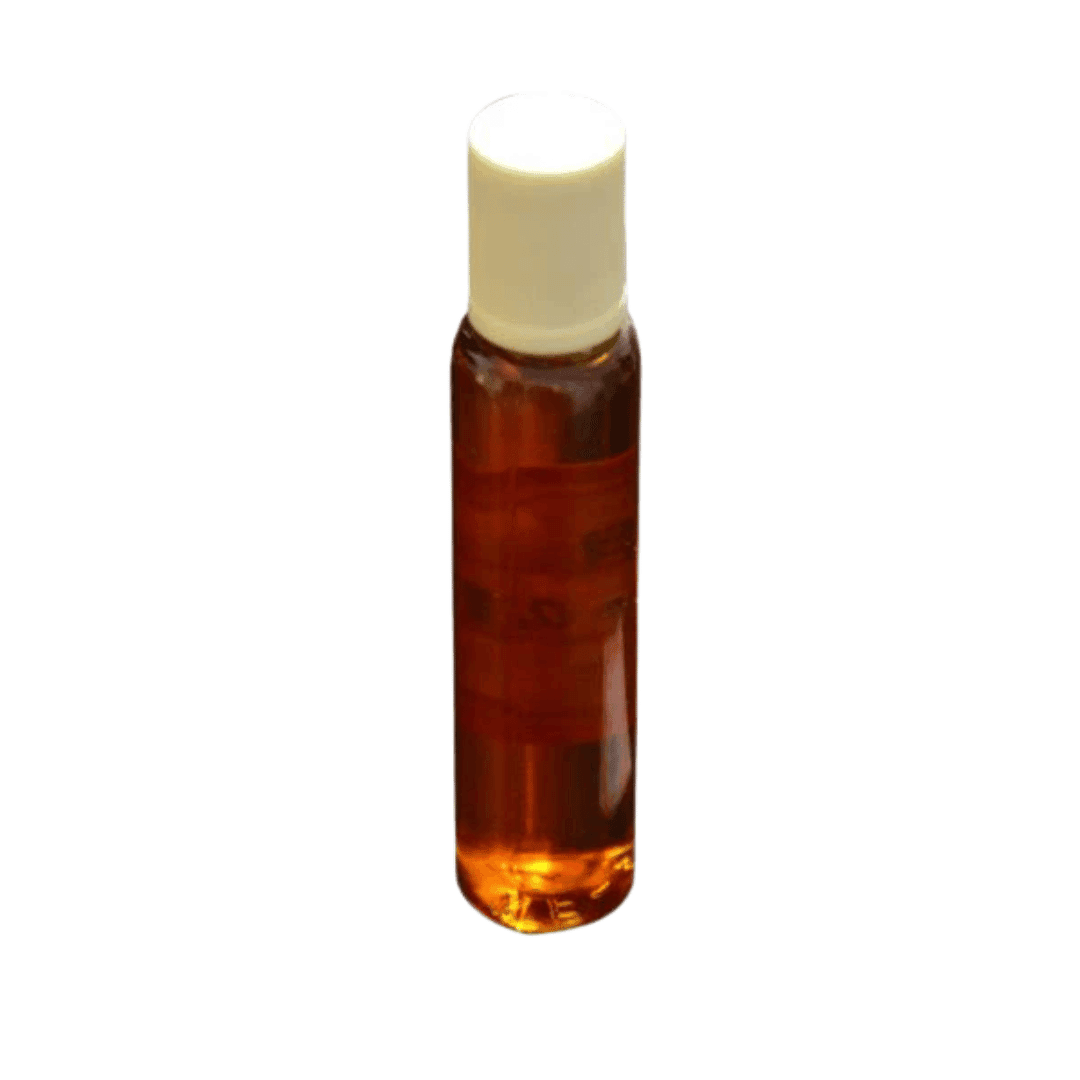
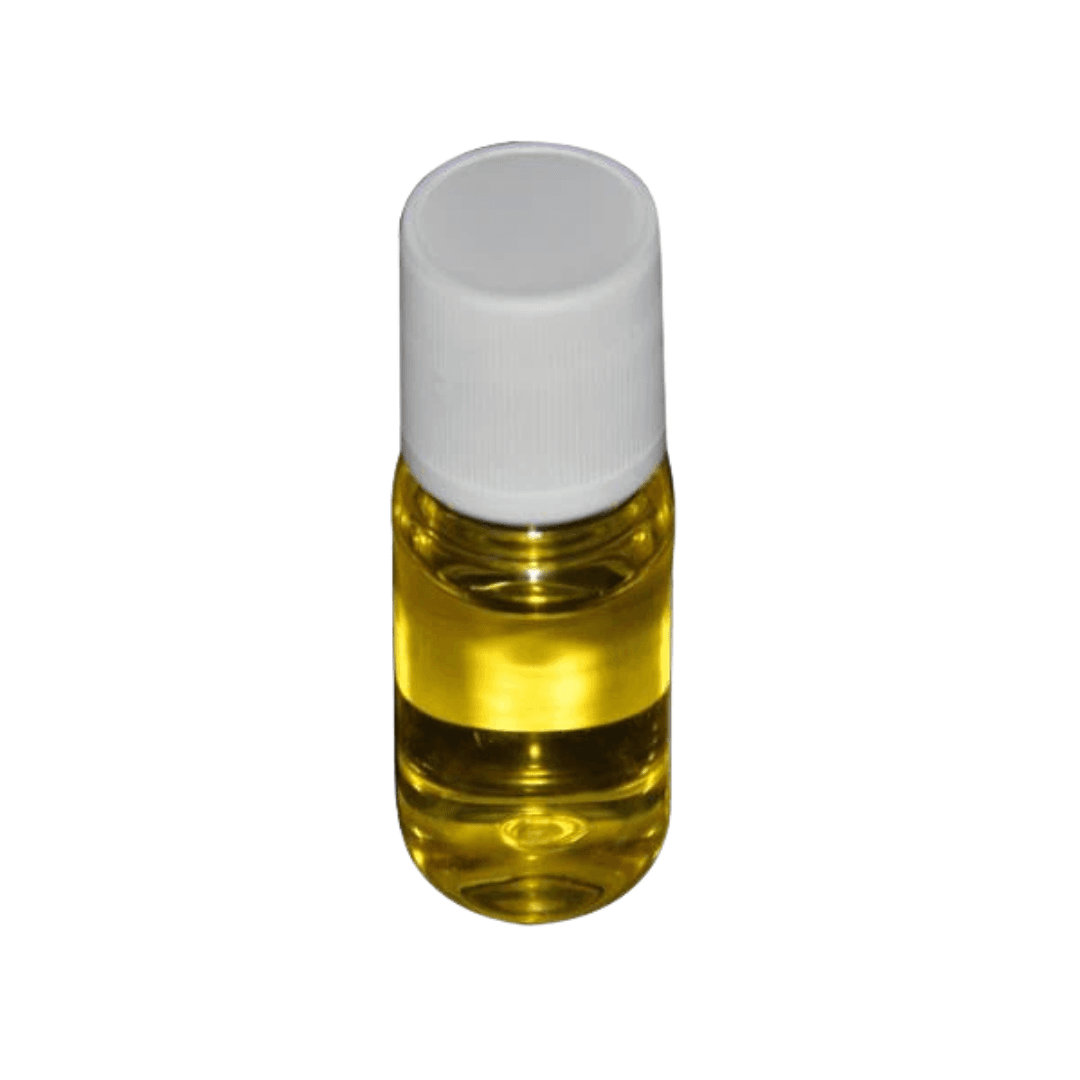
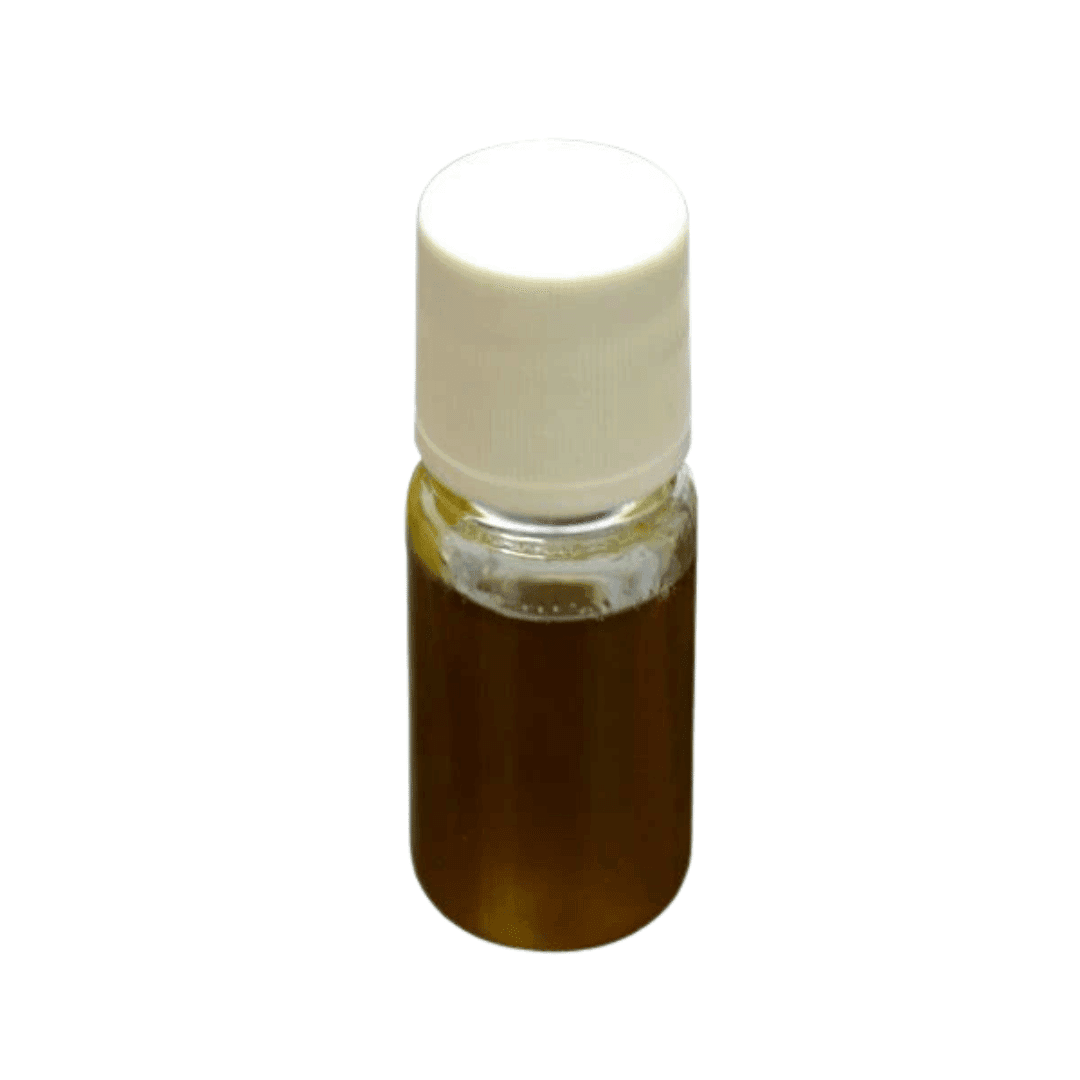
Black garlic oil is derived from black garlic, which is not a distinct garlic type but rather a specially processed form of regular garlic. It is created by fermenting fresh garlic with its skin in a chamber for 90 to 120 days. This oil boasts strong antioxidant properties and contains over 100 medicinal and health-promoting compounds, including 43 sulfur-based volatiles, sulfur sulfinic acids (such as 13 types of allicin derivatives), 18 amino acids, 8 peptides, and 11 enzymes.
- Functions
Black garlic oil comprises more than 100 compounds, including 43 sulfur-containing volatiles, sulfinic acids (such as allicin esters, 13 amino acids, 8 peptides, and 11 enzymes). Allicin is a signature element in garlic that, upon entering the bloodstream, converts to its active form. Even when diluted by a factor of 100,000, it can swiftly eliminate typhoid bacilli, dysentery bacilli, and common viruses.
2.1 Black garlic oil supports anti-oxidation and anti-aging effects. Oxidation plays a major role in aging, and black garlic exhibits robust antioxidant and acid-resistant qualities, making it an effective anti-aging option. Moreover, fermented black garlic contains higher levels of active antioxidant polyphenols compared to fresh garlic.
2.2 It also demonstrates potential in cancer prevention. International research indicates that sulfur compounds in black garlic may stimulate enzyme production in the gut or generate allicin, thereby enhancing immune response, inhibiting lipid peroxidation, and reducing mutation risks that lead to intestinal tumors. However, the exact required amount remains unclear.
For sterilization purposes, the allicin in black garlic provides broad-spectrum antibacterial action, combating numerous viruses and pathogens. Even at a dilution of 100,000 times, it can rapidly destroy typhoid bacilli, dysentery bacilli, and influenza viruses. Studies show that the volatile substances, extracts, and allicin from black garlic effectively inhibit or kill various bacteria. These sulfur compounds are highly effective against decay-causing fungi, often matching or exceeding the potency of chemical preservatives like benzoic acid and sorbic acid. Among natural plants, black garlic stands out for its superior antibacterial capabilities.
2.3 Black garlic helps regulate blood sugar by influencing glycogen synthesis in the liver, thereby lowering blood sugar and elevating insulin levels in the plasma. Allicin reduces blood sugar, while compounds like S-methylcysteine sulfone and S-allylcysteine sulfoxide inhibit the NADPH of G-6-P enzyme, preventing insulin breakdown and exerting hypoglycemic effects. Allyl disulfide in black garlic also contributes to this function.
2.4 Additionally, it aids in lowering blood sugar and boosting insulin without impacting normal glucose levels.
2.5 It offers anti-fatigue benefits. Research indicates that, as a source rich in vitamin B1, black garlic's combination with allicin helps reduce fatigue and restore energy, similar to how it works with vitamin B1 in certain foods.
2.6 It enhances immune function. Experiments reveal that the fat-soluble volatile oils in black garlic significantly boost the phagocytic activity of macrophages.
2.7 Furthermore, it strengthens the immune system. Allicin activates cell membranes made of sugars and lipids, improving permeability and enhancing cell metabolism and vitality, which in turn bolsters overall immunity. Other components like lysine serine improve immune response, while vitamin C and zinc from black garlic support hormone synthesis and further enhance bodily defenses.
- Applications
3.1 It is utilized in the health care and food industries.
Black garlic oil soft capsules are a popular health supplement. Their primary ingredients are safe, plant-based elements, including black garlic oil, sea buckthorn, gelatin, pectin, or glycerol, along with certain volatile or alliin components. These have proven benefits for regulating the body, improving cardiovascular and cerebrovascular systems, aiding the digestive system, and addressing tumor-related issues. They also include vitamins and trace elements that offer strong antibacterial properties.
Black garlic oil soft capsules suit a broad audience, such as those involved in strenuous physical work, individuals experiencing reduced libido, impotence, premature ejaculation, or chronic tiredness, and people who smoke or drink frequently. They are also ideal for those recovering from serious injuries, postpartum conditions with low milk production, skin laxity, lack of exercise, frequent illnesses, or undergoing radiation or chemotherapy. With a better grasp of its composition, it's clear that black garlic oil soft capsules are safe and effective when used consistently, helping combat sub-health states, slow aging, promote vitality, alleviate gastrointestinal issues, and manage symptoms of high blood pressure, lipids, and sugar.
3.2 It is incorporated into cosmetics and hair-care products.
Black garlic essential oil is rich in various vitamins that encourage skin cell growth and help alleviate dryness and dullness. It also provides effective prevention against different skin inflammations.
3.3 It is used in tonifying products.
The abundant arginine and trace element zinc in black garlic oil can enhance sperm motility, improve sexual function, and support kidney health. In traditional Shandong practices, black garlic oil is used as a remedy to strengthen the body and combat illnesses by "nourishing the stomach." Extensive clinical trials confirm that regular use improves stomach health, boosts immunity, delays aging, and fights diseases.
Due to black garlic oil's sensitivity to air, it is not recommended for direct consumption. Instead, it is encapsulated in soft capsules to preserve its physiological activity and functional stability, making it easier and safer for consumers to use.
3.4 It serves as a health care product for preventing cardiovascular and cerebrovascular diseases.
Scientists refer to black garlic as a "vascular scavenger." Long-term consumption has been shown to reduce cholesterol buildup in blood vessel walls. The sulfur compounds in black garlic help prevent and mitigate insulin damage, lower blood sugar, and, through its high allicin content, effectively reduce blood lipids and stabilize blood pressure, thus alleviating and preventing conditions like hypertension, hyperlipidemia, and hyperglycemia.
3.5 It is applied in products for promoting bowel regularity.
Black garlic essential oil contains vitamin B1, which aids digestion, and fructose, which enhances gastrointestinal function, helping to soften stools and relieve constipation. Its dietary fiber promotes intestinal movement and prevents constipation while reducing the risk of colorectal cancer. User feedback indicates that symptoms of constipation improve noticeably within 3 to 7 days of using black garlic products.
- Specification
| ITEMS | SPECIFICATION | RESULT |
| Appearance | In tan liquid | Complies |
| Solid Content | ≥20% | Complies |
| Odor and taste | Characteristic | Complies |
| Heavy MetalsPbSn | ≤ 0.3 ppm≤ 150 ppm | CompliesComplies |
| Microbiological qualityTotal Plate CountYeast & MoldE. Coli.Salmonella | <1000cfu/g<100cfu/gNegative<100cfu/g | CompliesCompliesNegative Complies |
- Flow chart
- Recommended suitable people
(1) Individuals with anemia, general weakness, or frequent illnesses due to limited physical activity.
(2) Those with excessive eating, drinking, or alcohol consumption.
(3) People experiencing low libido, impotence, premature ejaculation, or persistent fatigue.
(4) Postpartum individuals with injuries, insufficient milk production, loose skin, or reduced elasticity.
(5) Those with chronic conditions and weakened immunity.
(6) Individuals undergoing radiotherapy or chemotherapy.
(7) People with poor cardiopulmonary function.
(8) Patients recovering from cerebral infarction, myocardial infarction, cerebral hemorrhage, stroke, or those needing assistance with daily activities.
(9) Individuals with irregular eating habits, gastrointestinal disorders, or constipation.
(10) Those with irregular menstruation, gynecological issues, or menopausal symptoms.
(11) Patients dealing with hypertension, hyperglycemia, or hyperlipidemia.
- Method of Analysis
The primary methods for detecting allicin include sulfur determination, mercury nitrate precipitation, high-performance liquid chromatography (HPLC), gas chromatography (GC), and ultraviolet spectrophotometry.
7.1 Sulfur determination method
This approach oxidizes the thiosulfoxide group in allicin with concentrated nitric acid to form sulfate ions, which then react with barium chloride to create a barium sulfate precipitate. The allicin content is calculated based on the precipitate's weight. Studies have shown this method to be simple, quick, and accurate when applied to health foods, with results aligning closely with GC methods.
7.2 Mercury nitrate precipitation method
After removing proteins and chloride ions using trichloroacetic acid, the sample is extracted with ether and reacts with mercury nitrate to form a precipitate. The excess mercury nitrate is titrated with a potassium thiocyanate standard solution, using ferriamine sulfate as an indicator, to determine allicin content. This technique is straightforward and precise.
7.3 HPLC method
HPLC is used to measure allicin in garlic oil, offering simplicity, accuracy, and good reproducibility. Specific studies using YMC-Pack ODS-AC18 columns with 85% methanol as the mobile phase at 0.8 mL/min and a 214 nm detection wavelength have yielded average recovery rates of 87.2% with low relative standard deviation.
7.4 Gas chromatography
GC methods have been developed to quantify allicin in health foods, examining factors like extraction solvents, temperatures, and times. Using acetone aqueous solutions for extraction, PEG-20M columns, and FID detection, results show high recovery rates and reproducibility, with no significant differences compared to HPLC.
Another GC approach for allicin in ultra-micro garlic powder uses n-hexane and absolute ethanol for extraction, achieving excellent linearity, low detection limits, and reliable recovery rates.
7.5 Ultraviolet spectrophotometry
This method involves ethanol ultrasonic extraction and detection with 4-mercaptopyrimidine. It provides sensitive, rapid, and cost-effective results. Alternative techniques measure absorbance after reactions with nitrothiobenzoic acid, offering a simple alternative to HPLC and GC without needing specialized standards or equipment.
- Extracting method
8.1 Traditional extraction technology
Traditional allicin extraction involves steam distillation and solvent extraction. Steam distillation introduces vapor to volatile, water-insoluble organics, allowing distillation below 100°C for purification.
8.2 Modern extraction technology
Advancements include supercritical fluid extraction, enzymatic breakdown, microwave vacuum assistance, and ultrasonic assistance, expanding efficient allicin recovery.
- Stability and Safety
Stability:
Remains stable at room temperature under appropriate conditions. A stability data sheet can be provided upon request.
Safety:
Recognized as safe for human use according to U.S. Generally Recognized As Safe (GRAS) standards.