1. Introduction
Soy Isoflavone Powder, identified by CAS No. 574-12-9, is a member of the flavonoid group, serving as secondary metabolites that emerge during soybean development. These compounds act as bioactive agents with significant health benefits. Derived from plant sources and featuring a molecular structure akin to human estrogen, Soy Isoflavone Powder is often dubbed "phytoestrogens." It is primarily sourced from legumes, with soybeans containing the highest levels, typically between 0.1% and 0.5%. However, factors such as growing conditions, processing techniques, and genetic traits can alter the concentration and composition of these isoflavones.
The estrogen-like properties of Soy Isoflavone Powder influence hormonal balance, metabolic processes, protein formation, and growth factor activity. Research has indicated that it functions as a natural agent for cancer prevention. The key active components include the Daidzin group, Genistin group, and Glycitin group, with their levels detailed in the accompanying Certificate of Analysis (COA). Each of these components appears in four variations: free form, glucoside form, acetyl glucoside form, and malonyl glucoside form.
2. Functions
Soy Isoflavone Powder with CAS No. 574-12-9 is predominantly present as glycosides in soybeans. Once consumed through soybeans or soy-based products, these glycosides are broken down by intestinal enzymes, releasing bioactive aglycones or converting them into metabolites like equol, which then circulate in the bloodstream. Scientific studies demonstrate that flavonoid levels in the blood rise several hours after ingesting soy products.
Given its structural similarity to estrogen, Soy Isoflavone Powder can help alleviate certain menopausal symptoms, such as hot flashes, night sweats, sleep disturbances, and mood swings. However, it is not a pharmaceutical treatment; individuals seeking relief from menopausal issues should consult a healthcare professional for proper advice. Additionally, this powder supports bone health by enhancing density and helping prevent osteoporosis, particularly in postmenopausal individuals, through its influence on estrogen levels.
Reported Physiological Functions:
- (1) Anti-cancer and anti-tumor effects
Soy Isoflavone Powder exhibits strong anti-cancer capabilities, inhibiting the proliferation and metastasis of cancer cells while leaving healthy cells unaffected. As a potent antioxidant, it curbs the formation of oxygen free radicals, which are known carcinogens, thereby providing multifaceted protection against cancer. - (2) Preventive and cholesterol-lowering effects on cardiovascular diseases
Long-term consumption of soy products has been linked to delayed arteriosclerosis, reduced total cholesterol levels, and a lower risk of heart disease, according to epidemiological data. The protective mechanisms of Soy Isoflavones include antioxidant activity, receptor modulation, suppression of vascular smooth muscle cell growth, and anti-thrombotic properties. Specifically, it inhibits tyrosine kinase in platelets, minimizing their aggregation and reducing the risk of thrombosis associated with atherosclerosis. - (3) Anti-oxidation and anti-aging effects
Soy Isoflavone Powder offers robust antioxidant benefits by neutralizing free radicals, slowing lipid oxidation, and boosting the production of antioxidant enzymes. This antioxidant action also safeguards neural health. As lipid peroxides, which are byproducts of cellular oxidation, correlate with aging, animal studies have shown that higher doses of Soy Isoflavones can lower these levels in older subjects, potentially delaying the aging process. - (4) Improvement of menopausal symptoms in women
Menopause results from decreased estrogen production by the ovaries, leading to various discomforts. Soy Isoflavone Powder's estrogen-like activity can compensate for this decline, helping to mitigate or prevent menopausal symptoms. Studies, such as those by Dai Yu and colleagues, have observed improvements in hormone levels and symptoms like hot flashes, sweating, night sweats, irritability, insomnia, and restlessness in women supplementing with Soy Isoflavones. This suggests promising applications for enhancing hormone balance and alleviating clinical symptoms.In the U.S., over 75% of middle-aged women experience vasomotor symptoms like hot flashes and night sweats. With concerns about hormone replacement therapy, interest in phytoestrogen supplements has grown. Observational research indicates that the ability to produce equol may reduce menopausal symptom severity. Small intervention trials have explored equol's potential, with one study in Chinese women showing no benefits from soy flour or daidzein supplementation, while another found improvements in equol-producing women after soy isoflavone intake. Further, equol supplementation reduced hot flash frequency and severity in Japanese women, and equivalent doses of equol outperformed soy isoflavones in women with frequent hot flashes.
- (5) Effect on osteoporosis
The post-menopausal drop in estrogen increases the risk of bone loss and osteoporosis, often measured via bone mineral density scans. Soy Isoflavone Powder, with its estrogenic effects and minimal side effects, holds great potential as a therapeutic option. In those with low estrogen, it binds to receptors in bone-forming cells, enhancing their activity, promoting bone matrix synthesis, and aiding mineralization to combat osteoporosis. Evidence suggests that high doses of Soy Isoflavones, along with soy protein, can boost lumbar bone density. - (6) Influence on kidney disease
Emerging research highlights Soy Isoflavones' positive impact on kidney function in kidney disease patients, challenging traditional advice to avoid soy. Conditions like nephrotic syndrome often involve hyperlipidemia, which exacerbates kidney damage. By lowering blood lipids, Soy Isoflavones support renal health. In vitro studies also show its diuretic properties, inhibiting sodium-potassium-chloride transport to improve blood flow, promote urination, and relax renal vessels. - (7) Prevention of Alzheimer's disease
Alzheimer's disease is a progressive neurodegenerative condition common in older adults. Estrogen plays a role in maintaining brain health by supporting neuron growth, nerve connections, and cholinergic system function, while reducing amyloid buildup and improving cerebral blood flow. Soy Isoflavone Powder's estrogen-like effects may help delay Alzheimer's onset and lower its incidence.
3. Applications of Soy Isoflavone Powder (CAS No. 574-12-9)
Soy Isoflavone Powder's benefits, including anti-cancer properties and osteoporosis prevention, make it a valuable ingredient for health foods and beauty products. Naturally extracted from soybean germ, it helps regulate estrogen levels bidirectionally. Extracts at 40% concentration are commonly used in health supplements, while 80% and 40% versions appear in cosmetics. Lower concentrations, such as 5% and 10%, serve as feed additives to enhance egg production.
- (1) Food field
Soybeans and their derivatives are staples in human diets, and Soy Isoflavone extracts have been extensively developed. Fermented soy products, soy flour, and related items are well-established in the market, with numerous U.S. companies offering a wide range of soy protein powders, lecithin, and isoflavones. - (2) Health product field
Due to its anti-cancer and bone-protective effects, Soy Isoflavone Powder is ideal as a base or additive in health and beauty formulations. Available products include soft capsules, tablets, dietary supplements, and natural estrogen blends, often targeted at women. For instance, Botanical Essence's Nianbao Tablet, a compound formula with Soy Isoflavones, calcium carbonate, and vitamin D, has demonstrated benefits in increasing bone density and easing menopausal symptoms in middle-aged women. - (3) Cosmetics field
As a plant-based polyphenol with multiple hydroxyl groups, Soy Isoflavones provide exceptional antioxidant protection. They uniquely inhibit melanin production, offering high potential for skin whitening, texture improvement, and anti-aging benefits, making them a natural choice for women's skincare and body care.
4. Quality Standard
| Test Items | Detection Method | Result |
|---|---|---|
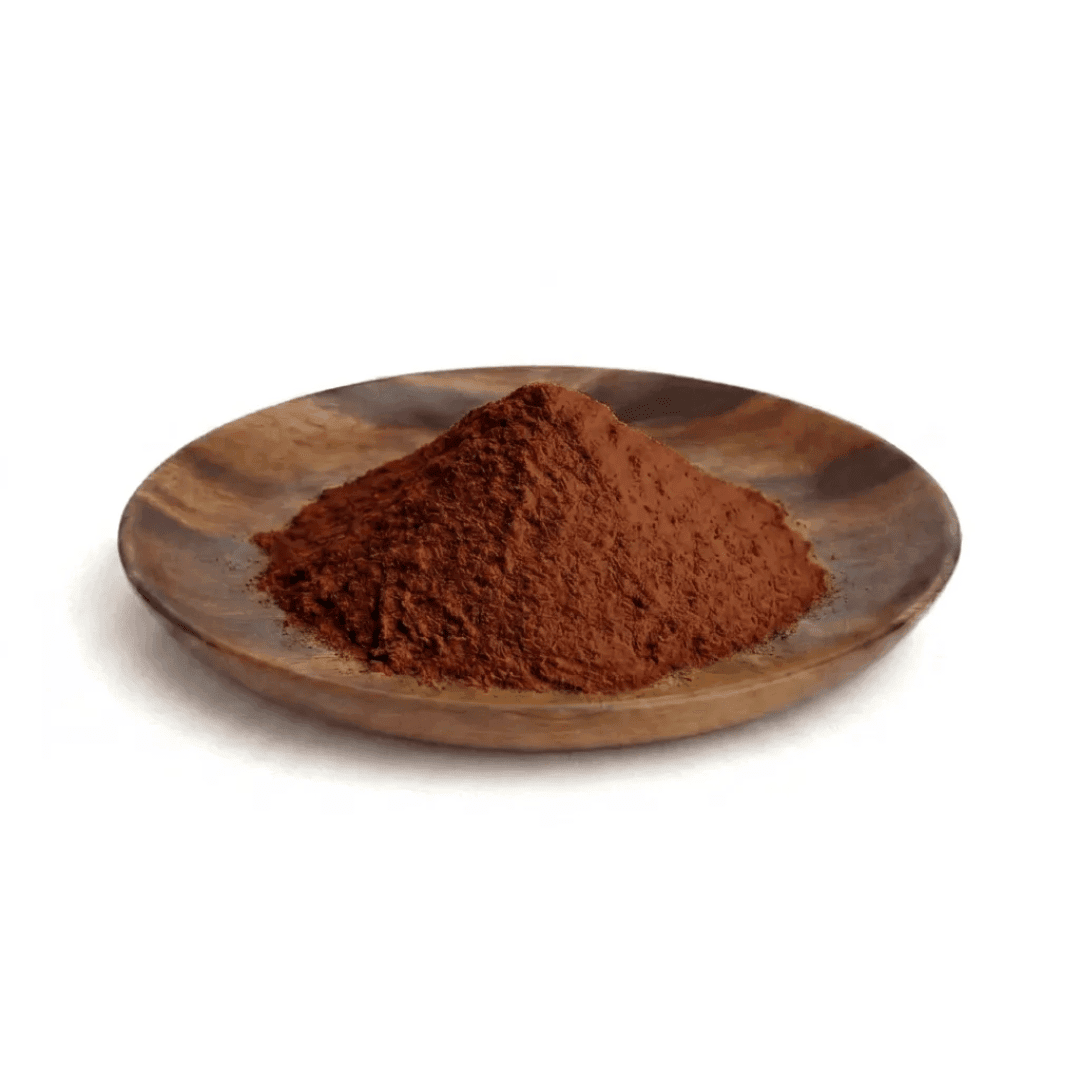
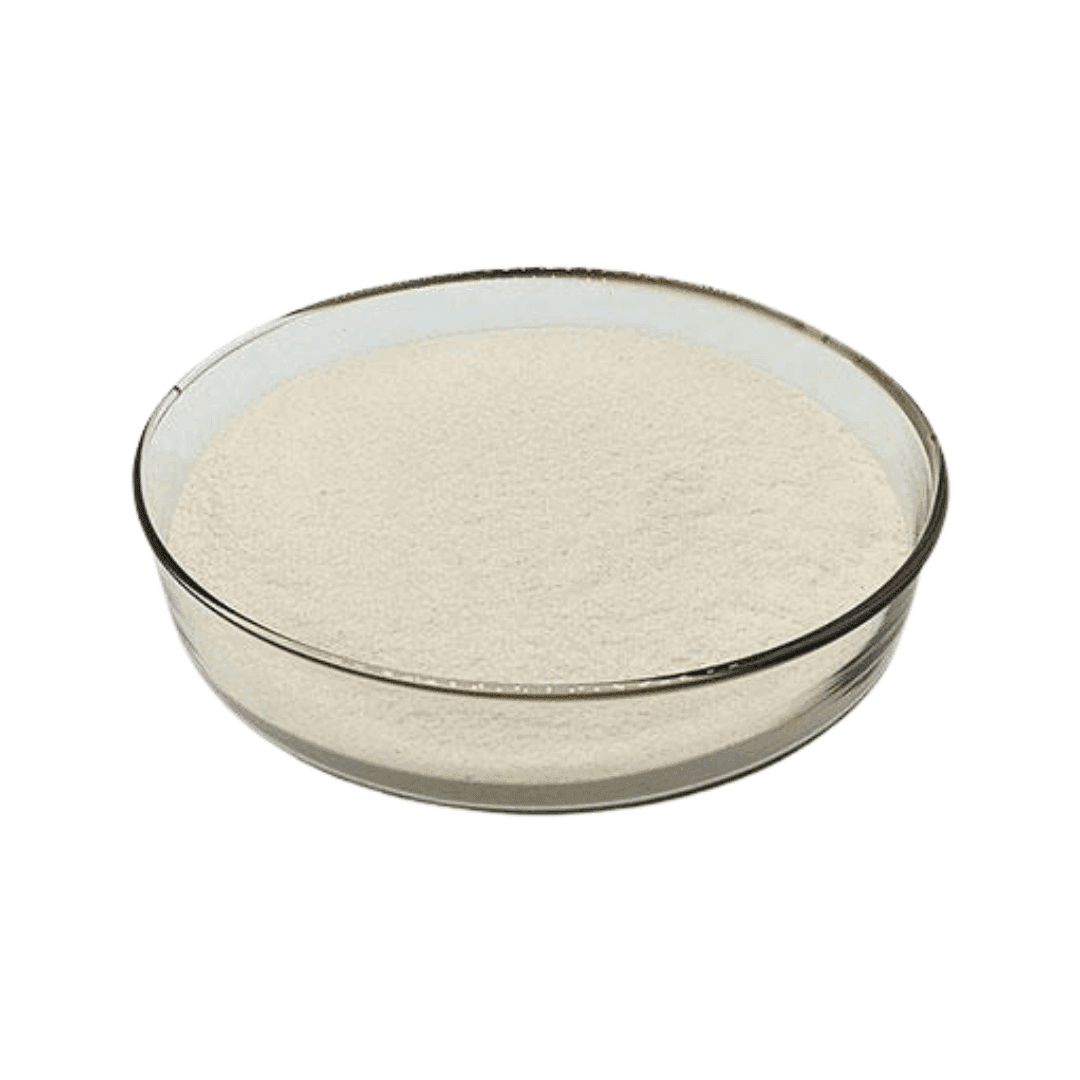
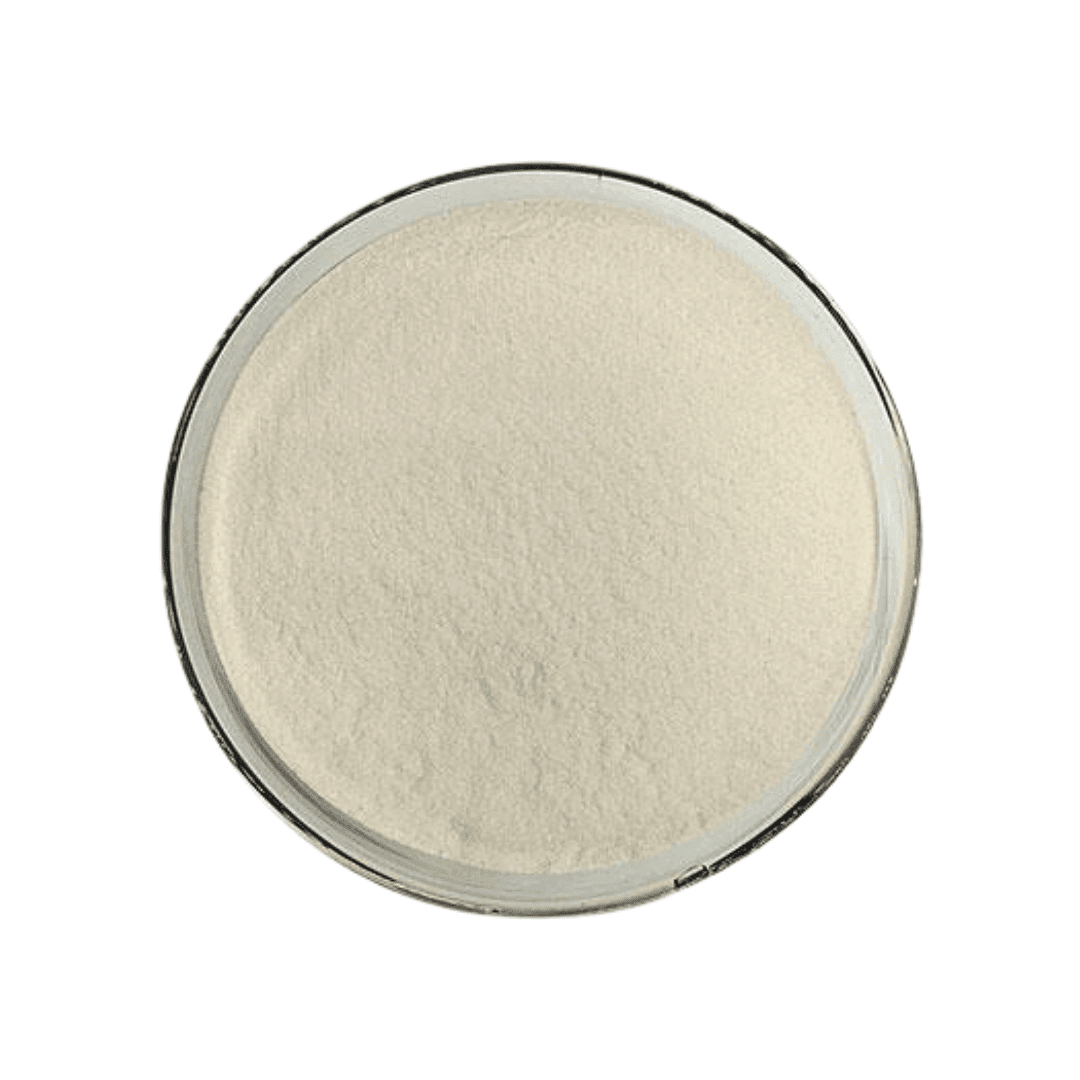
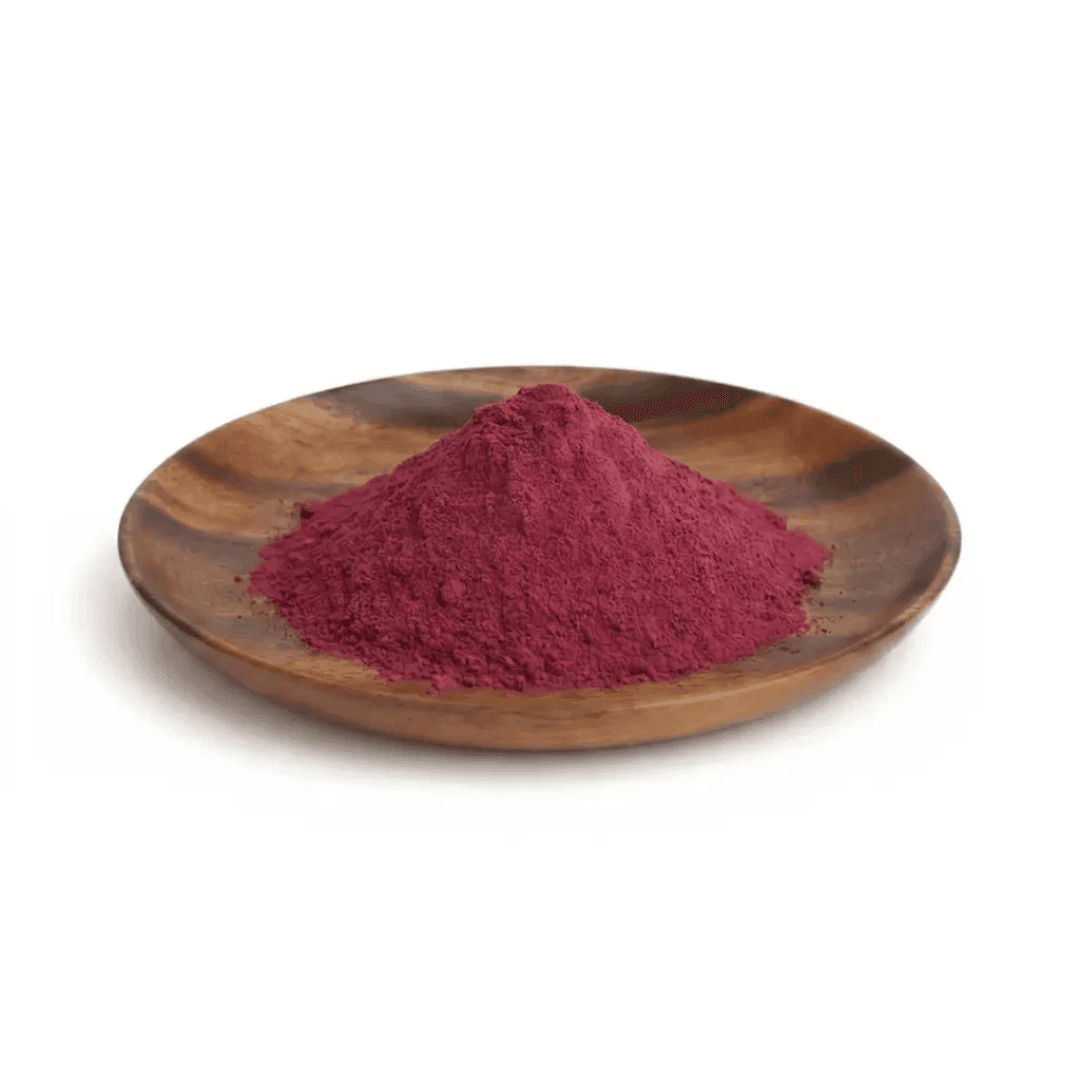
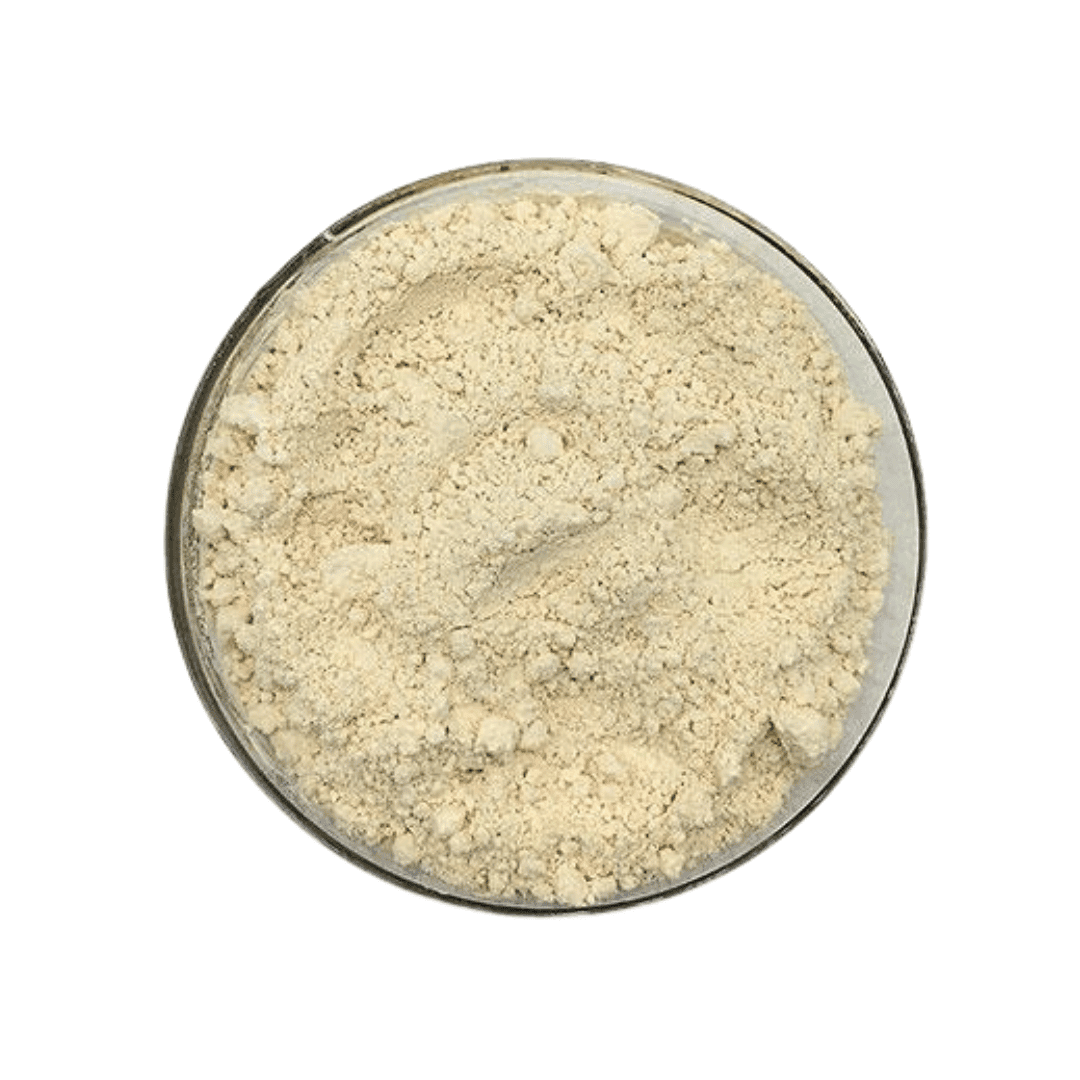
| Color | Sensory detection | Light brown (Qualified) |
| Smell | Sensory detection | Special smell (Qualified) |
| Exterior | Sensory detection | Fine powder (Qualified) |
| Product Index | - | - |
| Total flavonoid content | - | ≥40% (41.38%) |
| Daidzin | - | 4.65% |
| Glycitin | - | 2.40% |
| Genistin | - | 2.37% |
| Daidzein | - | 1.32% |
| Glycitein | - | 0.36% |
| Genistein | - | 0.28% |
| Other Parameters | - | - |
| Loss on drying | - | ≤7% (1.3%) |
| Residual solvents | - | ≤5% (2%) |
| Limited Substances | - | - |
| Pb (Lead) | - | ≤20.0 ppm (4 ppm) |
| As (Arsenic) | - | ≤5 ppm (2.1 ppm) |
5. Method of Analysis
- (1) Ultraviolet spectrophotometry (UV)
The hydroxyl and aromatic rings in Soy Isoflavones create a strong conjugated system that absorbs ultraviolet light effectively. This simple and reproducible method measures isoflavone content but has limited specificity. - (2) Thin layer scanning (TLC)
This technique requires minimal samples and offers good separation, though controlling the developer volume can introduce variability. - (3) High performance liquid chromatography (HPLC)
HPLC is the most common method for analyzing Soy Isoflavones, providing broad applicability, efficient separation, high sensitivity, and accurate results. Samples are typically extracted with methanol or ethanol via ultrasonic or reflux methods, followed by acid or enzyme hydrolysis and column chromatography. - (4) Gas chromatography (GC)
GC excels in sensitivity and selectivity but requires derivatization for compounds like daidzein and genistein, making it time-intensive and costly. - (5) High performance capillary electrophoresis (HPCE)
HPCE is fast, selective, and economical, with simple sample preparation, making it a standard for analyzing phytoestrogens like daidzein and genistein. - (6) Time-resolved fluoroimmunoassay (TR-FIA)
This advanced fluorescence technique enhances immunoassay sensitivity by distinguishing marker signals from interferers, involving steps like coating, antibody reactions, and signal detection.
6. Stability and Safety
Genistein in Soy Isoflavones is considered low-toxicity, with effects primarily mimicking estrogen, potentially leading to reproductive issues in animals at high doses, such as early puberty or organ changes. While it offers benefits like anti-cancer and anti-osteoporosis effects, it may impact male endocrine systems, warranting cautious use.