Introduction
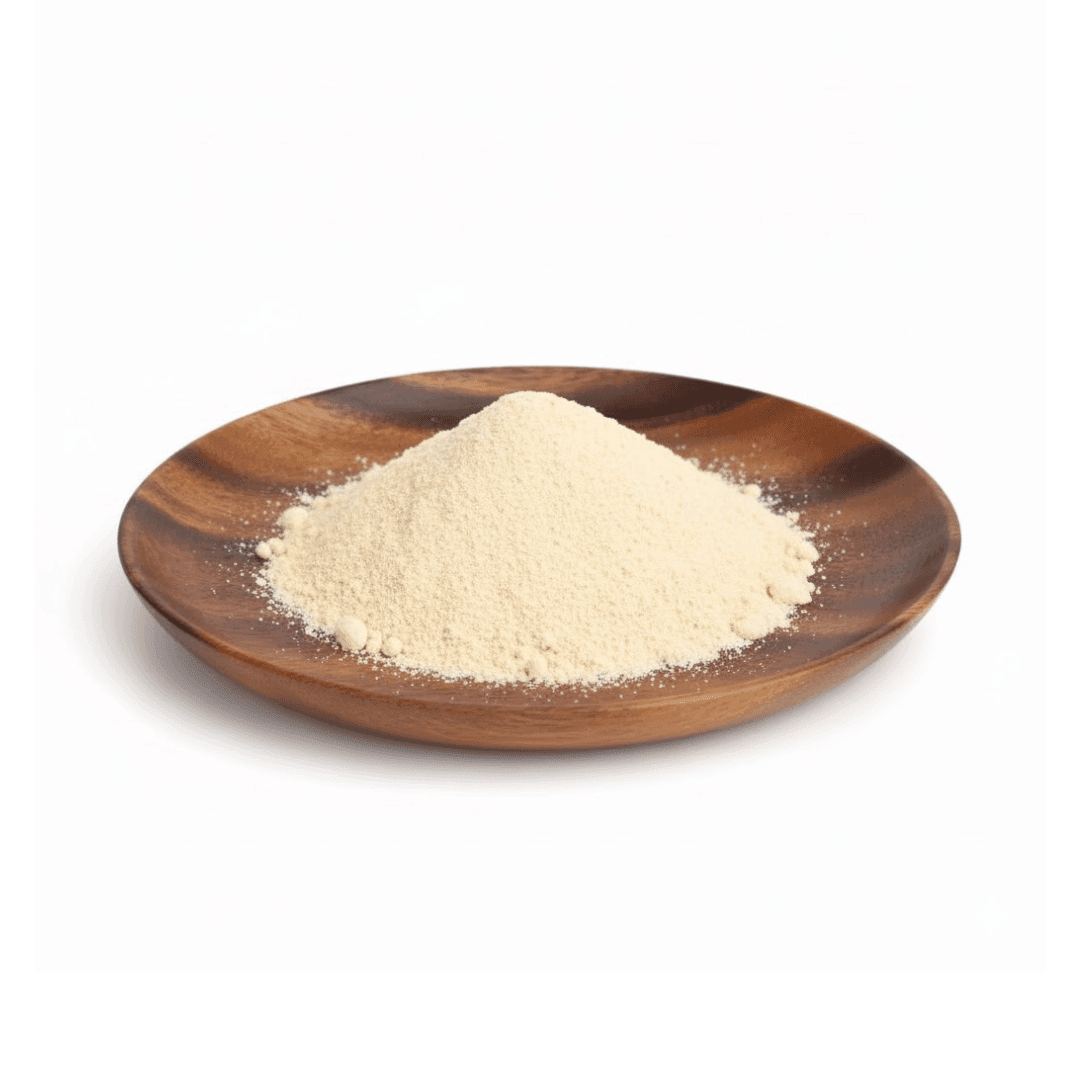
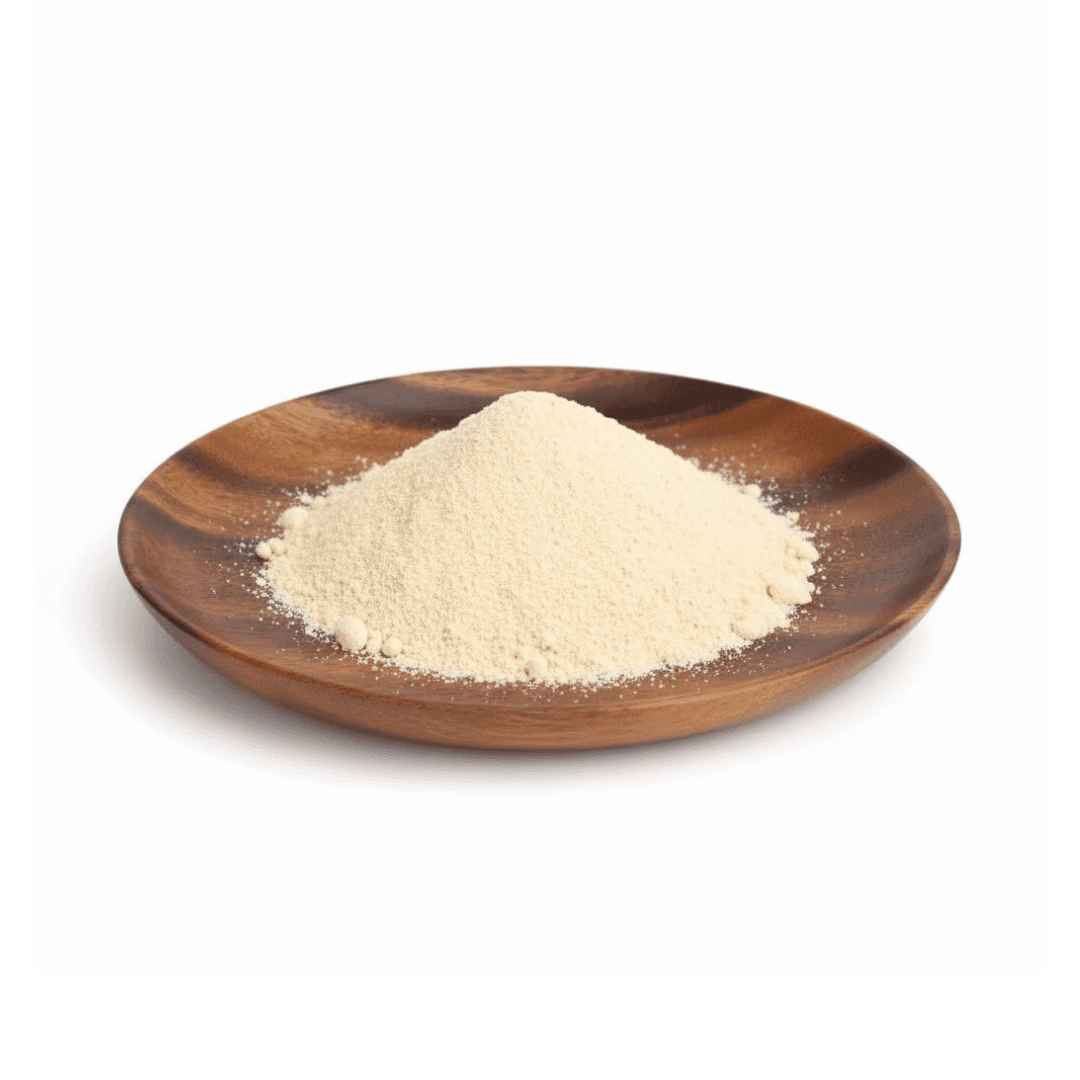
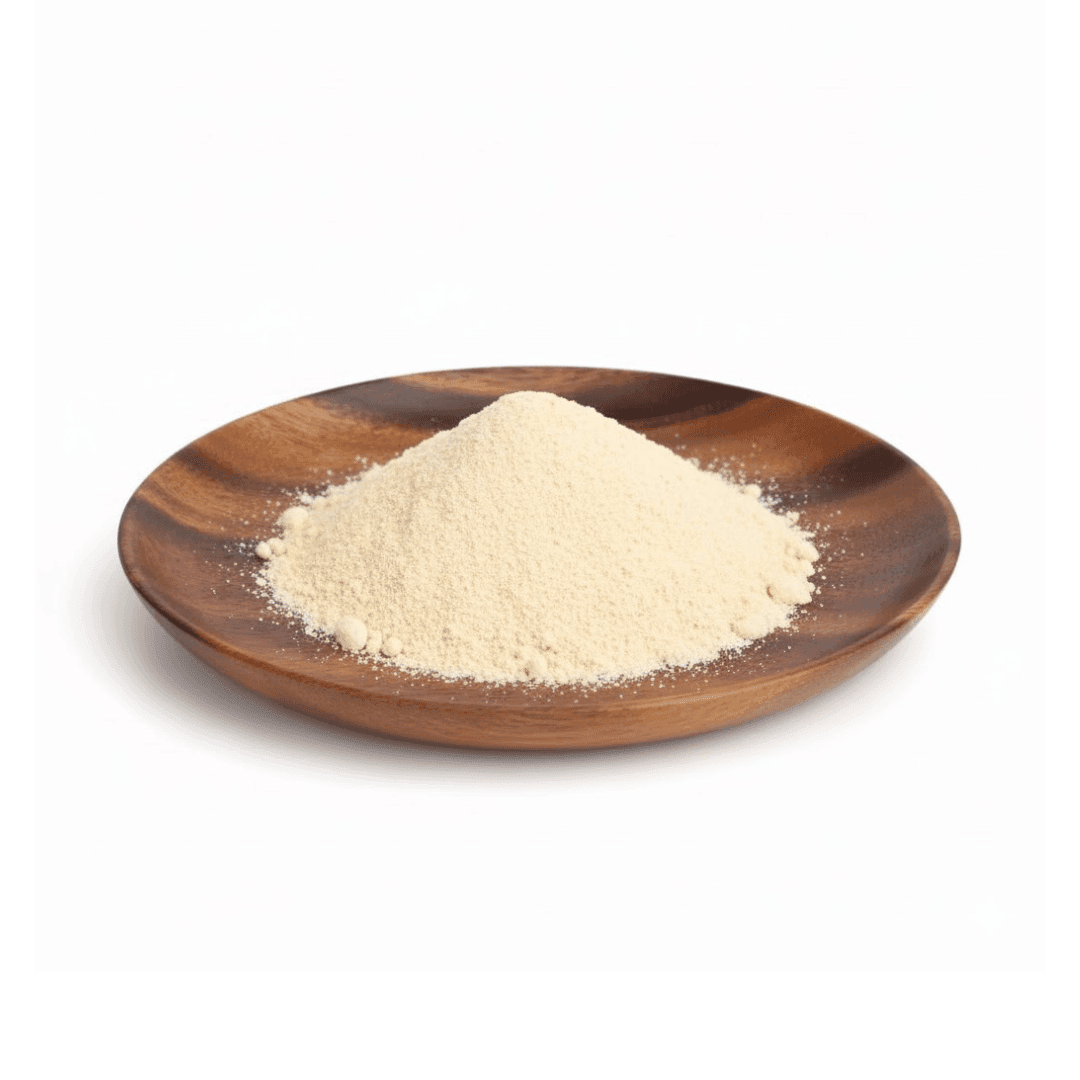
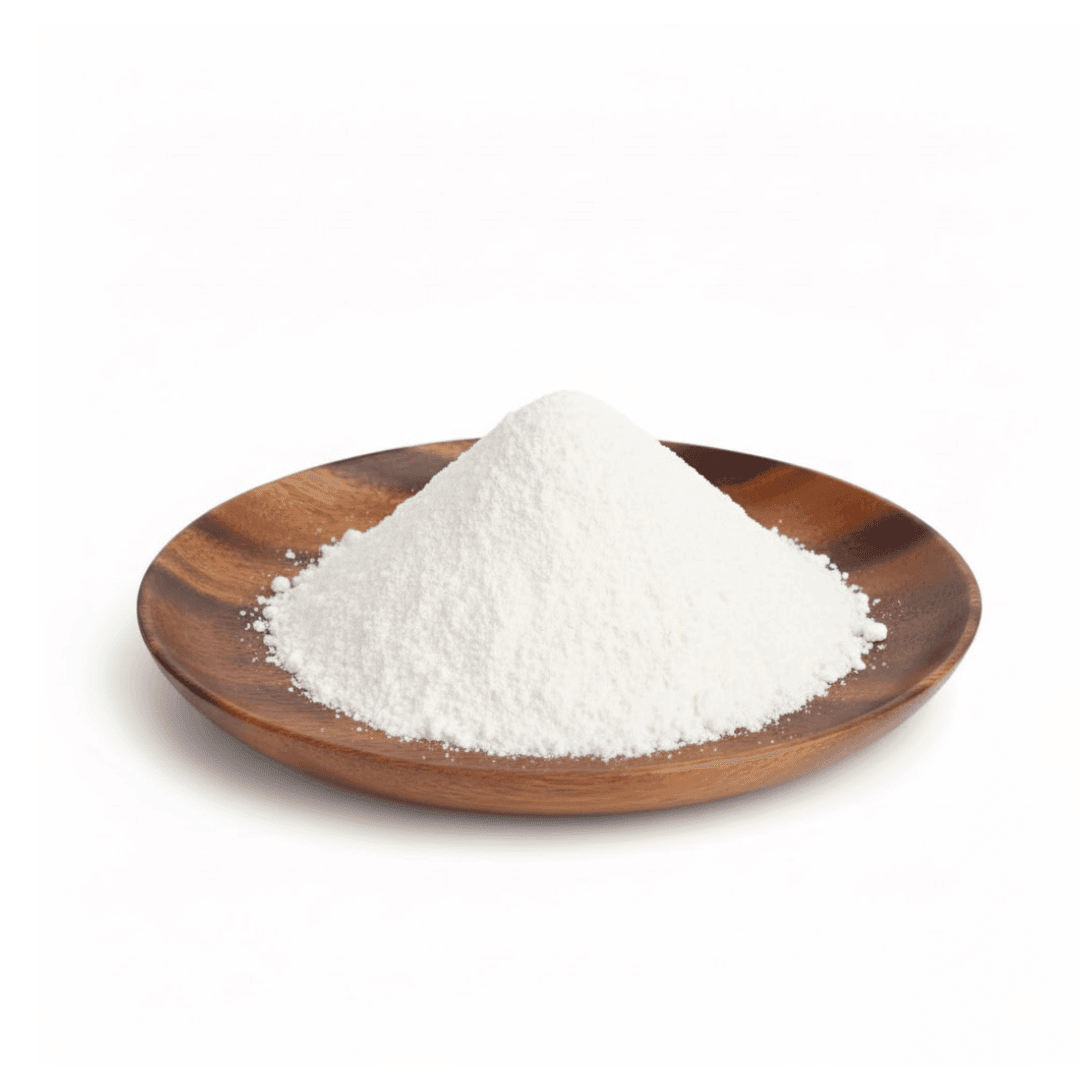
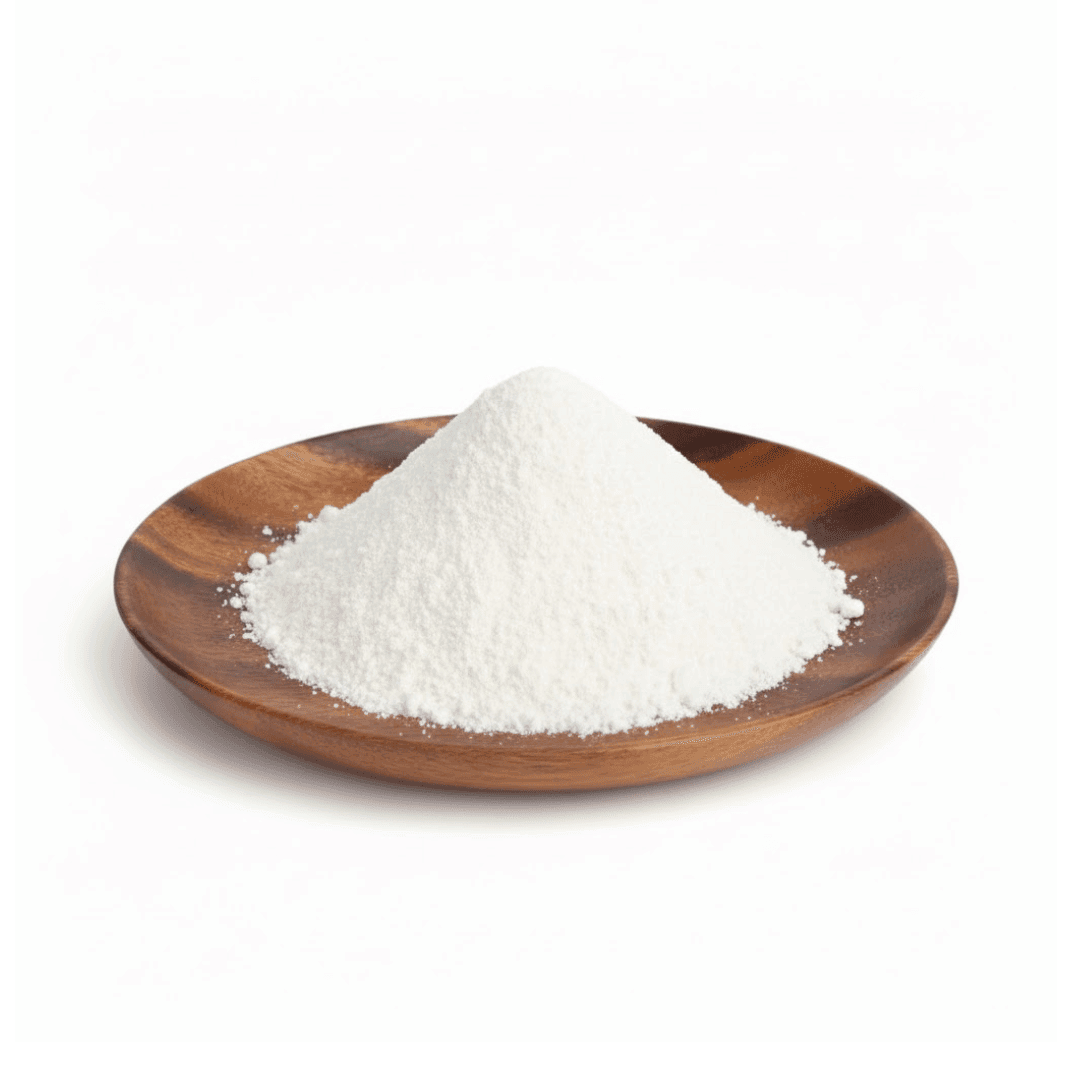
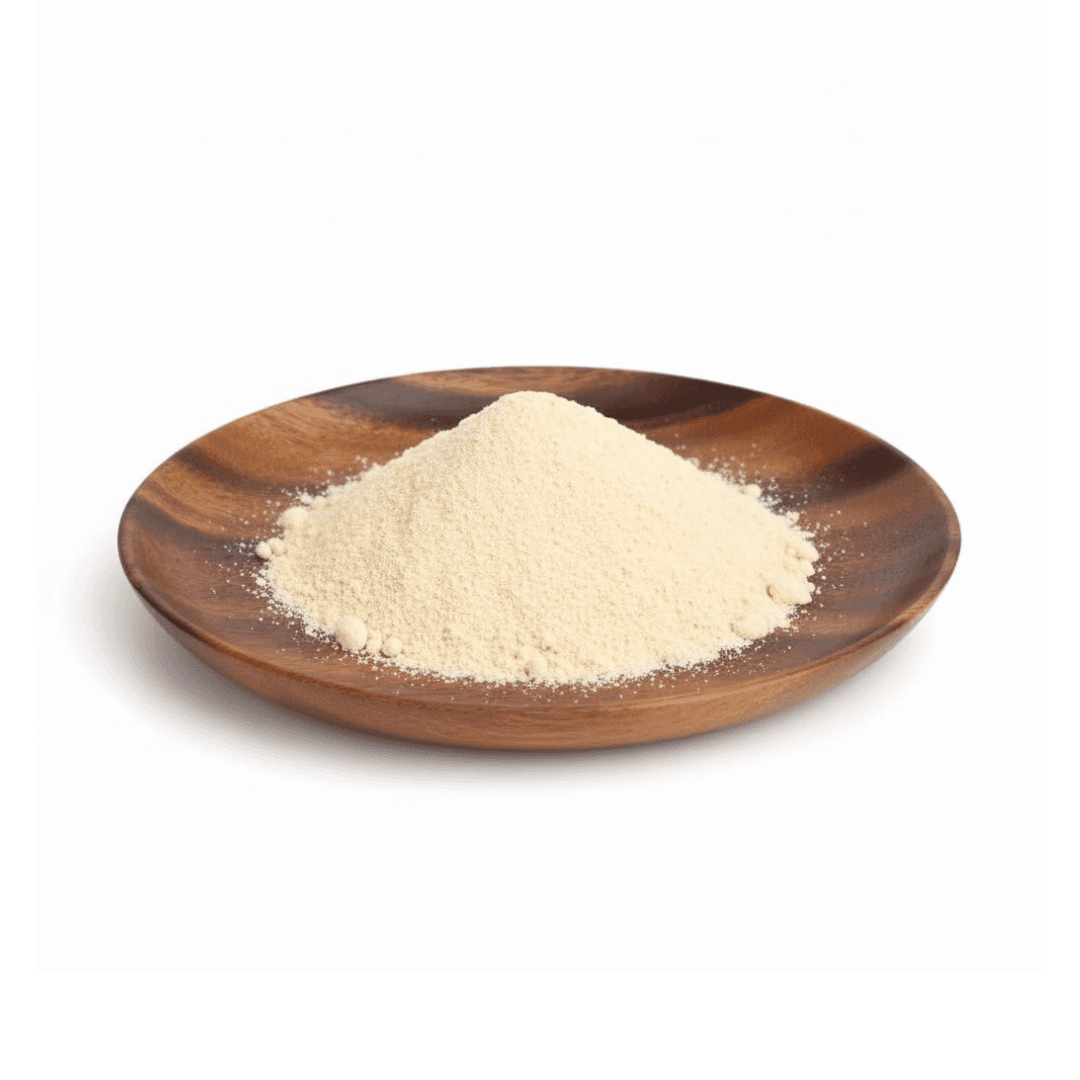
Millet protein is derived from millet, a highly nutritious cereal grain. It features elevated levels of glutamic acid, arginine, and leucine, along with abundant B vitamins (such as niacin, thiamine, and riboflavin) and vitamin E. Millet protein also contains valuable phytochemicals, including phenolic acids that help reduce cholesterol levels and phytic acid, which shows promise in cancer therapy.
Millet protein powder achieves protein concentrations of 80% to 90%, positioning it as an excellent additive for the food sector and health supplements. Additionally, millet protein peptides represent an innovative product that dissolves easily in water, making it suitable for functional foods and beverages.
- Functions
Millet serves as an outstanding source of plant-derived protein. The protein in millet qualifies as a complete protein, providing all nine essential amino acids that the human body cannot synthesize and must acquire through diet. Millet protein supports numerous vital roles in the body, such as:
Tissue construction and maintenance: Its amino acids are crucial for developing, repairing, and sustaining bodily tissues.
Enzyme formation: Proteins are necessary to create enzymes that drive key chemical processes like digestion and metabolism.
Hormone production: Certain hormones, including insulin, consist of protein structures.
Immune support: Proteins play a key role in immune system operations, aiding in the detection and elimination of pathogens.
Energy generation: When carbohydrate reserves are depleted, the body can utilize protein for energy.
- Applications
Millet protein finds use across diverse sectors, including:
Food and drinks: It boosts the nutritional profile of items like breads, noodles, snacks, and drinks.
Fitness and dietary supplements: Incorporated into protein powders, bars, and shakes for athletic and nutritional needs.
Cosmetic formulations: Added to shampoos, conditioners, and lotions to nourish skin and hair.
Livestock nutrition: Included in animal feeds to enhance growth and nutritional value for farm animals and birds.
Gluten-free options: Naturally gluten-free millet enables the production of safe products for individuals with gluten intolerance or celiac disease.
- Specifications
| Description: | Positive | Complies |
| Appearance | Fine Powder | Complies |
| Color | Off-white to yellow powder | Complies |
| Odor | Characteristic | Complies |
| Taste | Characteristic | Complies |
| Country Of Origin | China | Complies |
| Protein | ≥70% | 73.6% |
| Fat | ≤3% | 2.7% |
| Water | ≤8% | 7.1% |
| Fibre | ≤10% | 7.58% |
| Mineral element | ≤3% | 2.8% |
| Impurities And Solvents Reside | <0.05% | Complies |
| Carriers Used | None | Complies |
| Loss On Drying | < 5.0% | 3.15% |
| Ash | < 5.0% | 3.62% |
| HEAVY METALS | < 5PPM | Compies |
| Arsenic(As) | < 0.5ppm | Complies |
| Lead(Pb) | < 0.5ppm | Complies |
| Cadmium(Cd) | < 0.05ppm | Complies |
| Mercury(Hg) | < 0.05ppm | Complies |
| Total Plate Count | <10000cfu/G | Complies |
| Yeast And Mold | <100 cfu/G | Complies |
| Salmonella | Negative | Complies |
| E.Coli | Negative | Complies |
| Staphylococcus | Negative | Complies |
- Flow Chart
- Test Method
- NMR
Contact us at [email protected] to obtain the NMR data.
- Stability and Safety
Stability:
Stable when stored appropriately (at room temperature). A Stability Data Sheet is available upon request.
Safety:
Recognized as Generally Recognized as Safe (GRAS) by the US FDA, confirming its suitability for human consumption.
- Customer Comments
- Our Certificates
Botanical Essence has dedicated years to refining production processes and implementing robust quality systems. We maintain a comprehensive quality management framework, supported by relevant certifications.
- Our Clients
Botanical Essence has forged partnerships with leading companies including Abbott, Unilever, Shiseido, KANS, and SIMM.
- Exhibitions
Botanical Essence regularly participates in major global trade shows such as CPhI, FIC, API, Vitafoods, and SupplySide West.