- Introduction
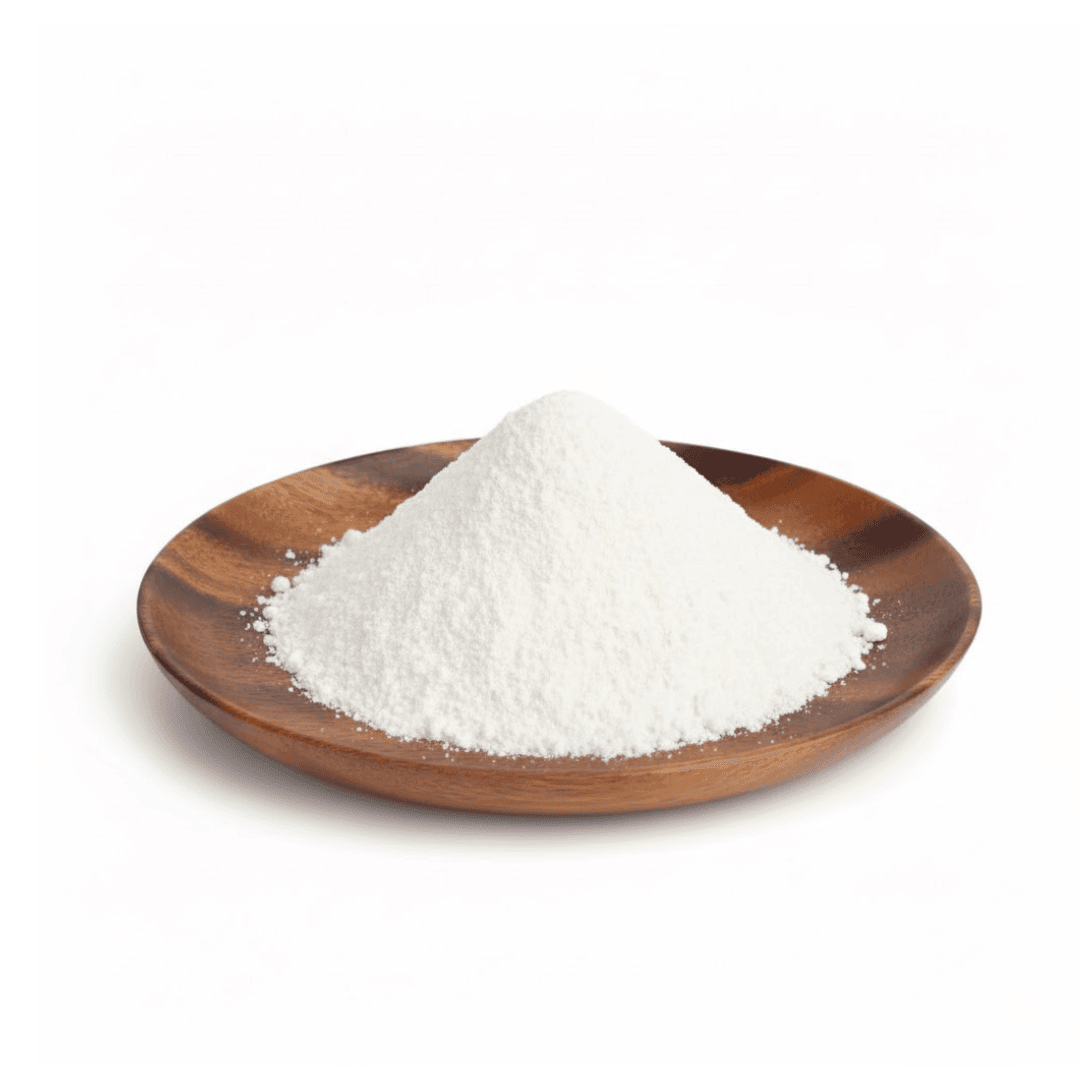
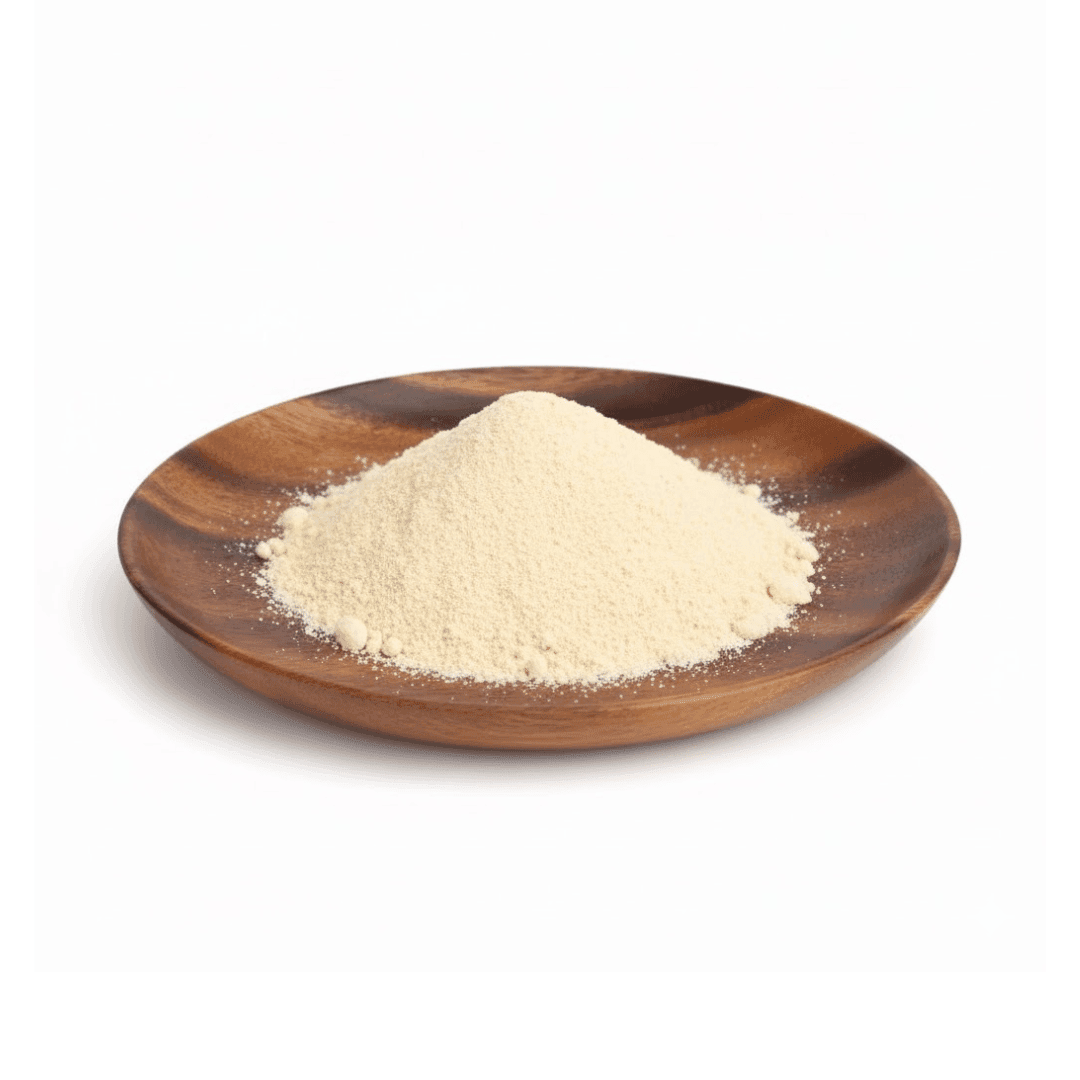
CAS 3081-61-6 L-Theanine is a distinctive free-form amino acid found exclusively in tea leaves. This compound is essentially the γ-ethyl amide of glutamic acid, offering a naturally sweet flavor. The levels of theanine fluctuate based on the tea variety and its origin, typically making up 1% to 2% of the dry weight in tea. Chemically, it resembles glutamine and glutamic acid in structure and serves as a key contributor to the refreshing, moistening sweetness in tea. In fresh tea leaves, theanine constitutes about 0.5% of the total, diminishing as fermentation occurs. Unlike sedatives, it helps alleviate stress, reduce blood pressure, and boost cognitive functions like learning and memory. This led to theanine receiving a notable award from the research division at the 1998 International Food Ingredients Conference in Germany. As the most abundant amino acid in tea, it accounts for over 50% of the free amino acids and up to 2% of the tea's dry weight. L-Theanine appears as white needle-like crystals that dissolve readily in water, imparting a sweet and refreshing taste that enhances tea's overall flavor profile.
- Functions
(1) CAS 3081-61-6 L-Theanine exhibits excellent absorption and metabolic processes within the body.
(2) It helps modulate neurotransmitter activity in the brain by crossing the blood-brain barrier, leading to a significant rise in dopamine levels in brain cells. Dopamine acts as a precursor to adrenaline and noradrenaline, playing a crucial role in transmitting signals of excitement in neural cells, thereby influencing mood. Studies by researchers like Yokogoshi have shown that theanine can alter the production and breakdown of serotonin in the brain when serotonin metabolism inhibitors are involved. Following theanine intake, brain tryptophan levels increase markedly, while serotonin levels decrease, suggesting that theanine may suppress serotonin production, accelerate its breakdown, or limit its release.
(3) It enhances cognitive performance and memory by strengthening alpha wave activity in the brain, promoting relaxation and better recall, as demonstrated through human trials.
(4) It addresses symptoms of premenstrual syndrome.
Premenstrual syndrome (PMS) involves various mental and physical discomforts experienced by women 3 to 10 days before their menstrual cycle. Research by Juneja and colleagues investigated the benefits of theanine, with 24 women taking 200 mg daily. After two months, improvements were noted in symptoms such as headaches, lower back pain, chest discomfort, fatigue, lack of focus, and irritability. The exact mechanism is still under investigation but could be linked to theanine's calming properties.
(5) It boosts the effectiveness of anticancer treatments.
Theanine can enhance the performance of several chemotherapy drugs. For instance, doxorubicin, which combats certain tumors, shows improved retention in tumor tissues when combined with theanine, reducing its leakage from cells like those in Ehrlich ascites tumors. This combination increases tumor growth inhibition by up to 2.1 times and raises doxorubicin concentration in tumor tissues by 2.9 times. Additionally, when paired with idarubicin, theanine mitigates side effects such as reductions in white blood cells and bone marrow cells, while amplifying the drug's antitumor effects, indicating a targeted modulation of drug-induced toxicity. Theanine also helps prevent the spread of cancers like M5076 ovarian sarcoma to the liver when used with doxorubicin. Further studies by Sa-dzuka and others suggest that theanine enhances doxorubicin's anticancer activity by blocking glutamate transport in tumor cells, thereby increasing drug accumulation. Overall, theanine supports cancer patients by improving treatment outcomes and enhancing their quality of life.
- Applications
3.1 CAS 3081-61-6 L-Theanine is utilized in the food industry, where combining it with ingredients like boiled eggs and motherwort can help alleviate dysmenorrhea.
3.2 In the health supplement sector, products such as motherwort-infused honey serve as beneficial options for women's wellness, aiding in menstrual regulation and nourishment.
3.3 In the pharmaceutical industry, theanine is incorporated into various forms like tablets, granules, injections, and capsules to address gynecological conditions.
- Specification
| Item | Standard (JP2000) | Results |
|---|---|---|
| Appearance | White crystalline powder | White crystalline powder |
| Assay | 98.0-102.0% | 99.65% (HPLC) |
| Specific rotation (α)D20 (C=1, H2O) | +7.7 to +8.5 Degrees | +8.20 Degrees |
| Solubility (1.0g/20ml H2O) | Clear Colorless | Clear Colorless |
| Chloride (Cl) | ≤ 0.02% | <0.02% |
| Loss on drying | ≤1% | 0.36% |
| Residue on ignition | ≤ 0.2% | 0.12% |
| pH | 5.0-6.0 | 5.15 |
| Heavy metals (as Pb) | ≤10 ppm | <10 ppm |
| Arsenic (as As) | ≤ 1 ppm | <1 ppm |
| Total Plate Count | <1000 cfu/g | Conform |
| Yeast and Mold | <100 cfu/g | Conform |
| Salmonella | Absent | Absent |
| E. Coli | Absent | Absent |
Test Method
| Item | Standard (JP2000) | Results |
| Appearance | White crystalline powder | White crystalline powder |
| Assay | 98.0-102.0% | 99.65%(HPLC) |
| Specific rotation(a)D20 (C=1 , H2O ) | +7.7 to +8.5 Degree | 8.20Degree |
| Solubility (1.0g/20ml H2O) | Clear Colorless | Clear Colorless |
| Chloride(C1) | ≤ 0.02% | <0.02% |
| Loss on drying | ≤1% | 0.36% |
| Residue on ignition | ≤ 0.2% | 0.12% |
| PH | 5.0-6.0 | 5.15 |
| Heavy metals(as Pb ) | ≤10ppm | <10ppm |
| Arsenic(as As ) | ≤ 1ppm | <1ppm |
| Total Plate Count | <1000cfu/g | conform |
| Yeast and Mold | <100cfu/g | conform |
| Salmonella | absent | absent |
| E.Coli | absent | absent |