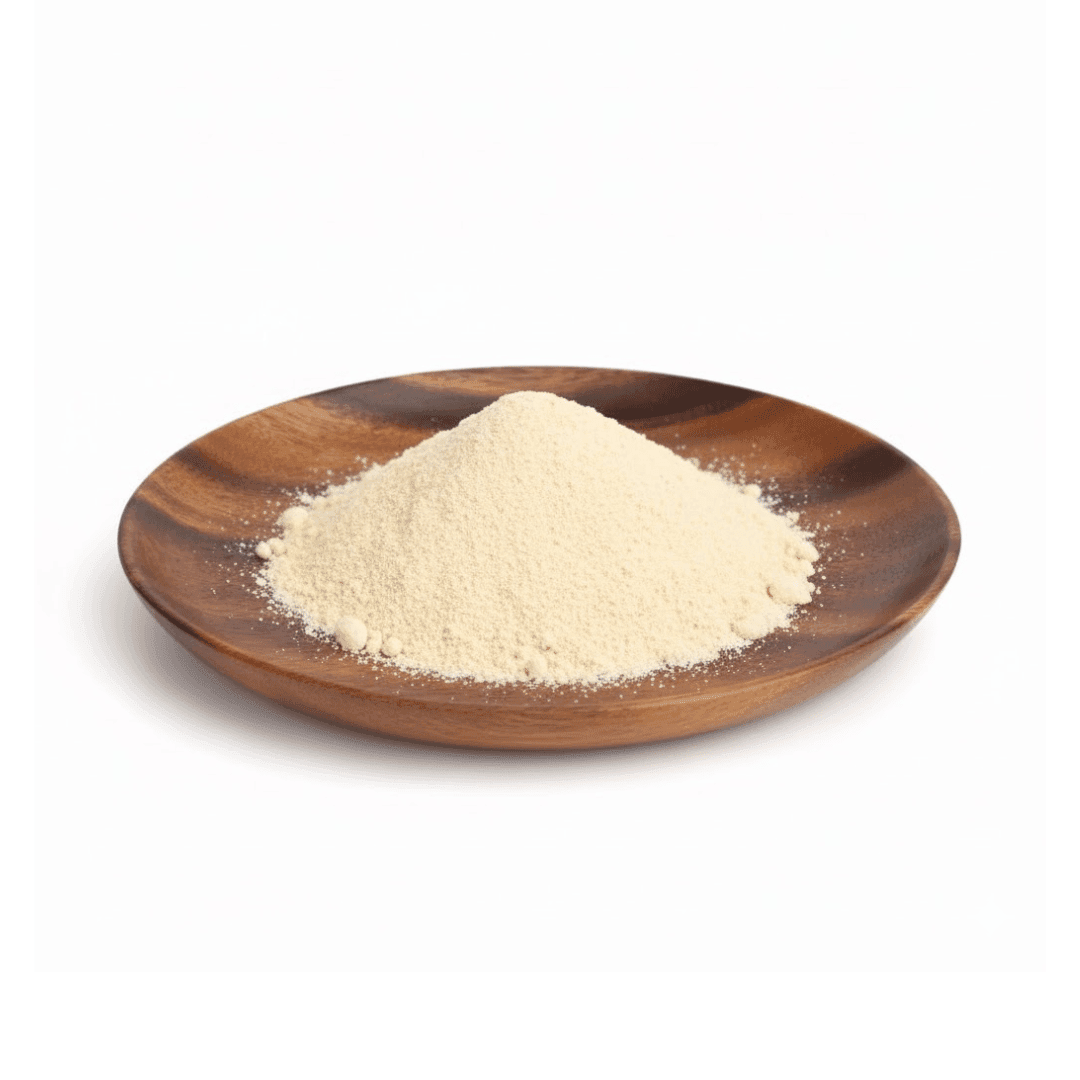
1. Introduction
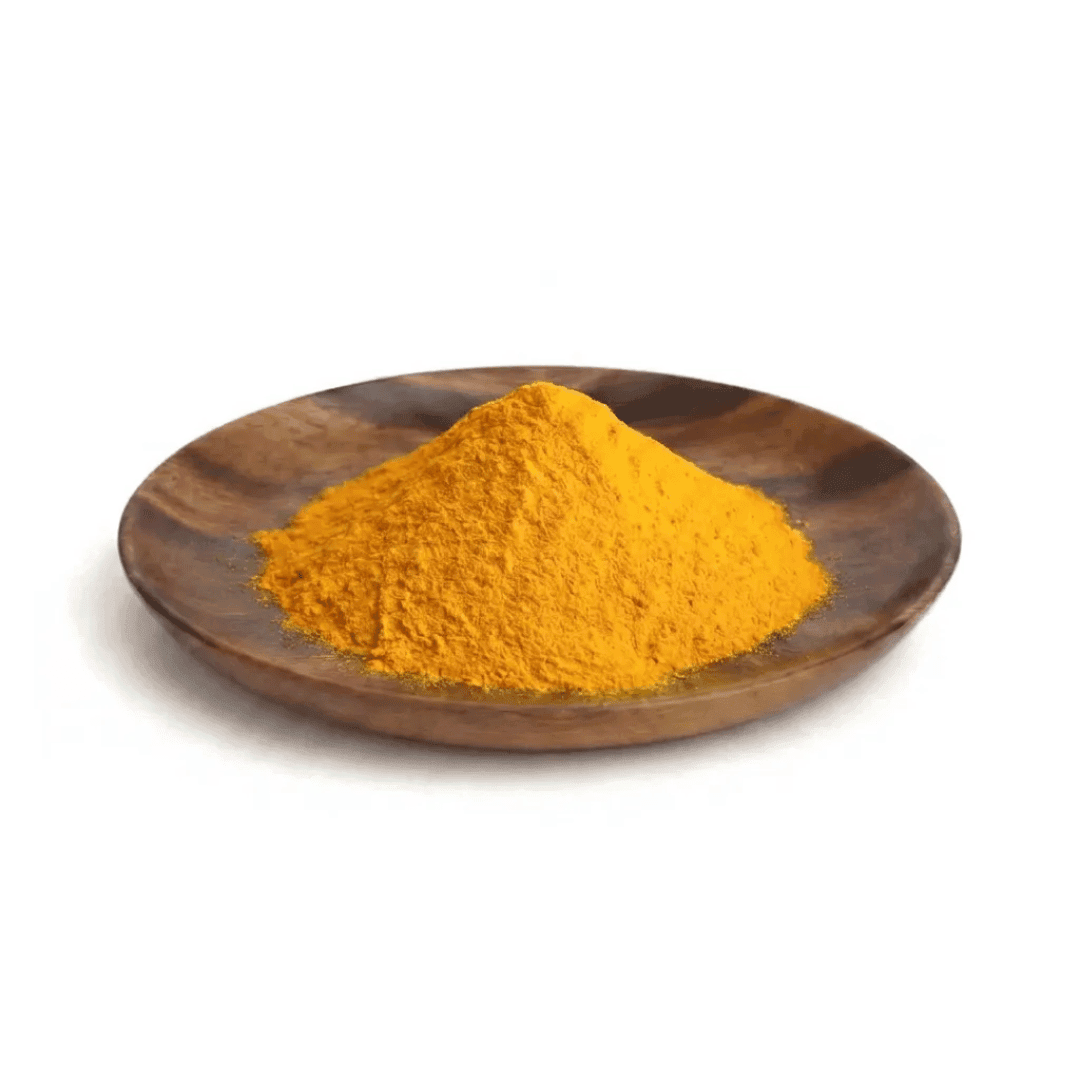
Green Pepper Vitamin C is derived from Capsicum annuum, a herb recognized in traditional Chinese medicine. It offers benefits such as warming the interior to counteract cold, promoting smooth qi circulation, and facilitating digestion. It is particularly useful for addressing issues like cold-induced qi stagnation in the stomach, resulting in abdominal distension and discomfort, nausea, loose stools, joint pains from rheumatism, and sensations of chilliness.
2. Function
Green Pepper Vitamin C provides warming effects to the middle region while eliminating cold, stimulating appetite, and supporting food breakdown.
It primarily treats conditions involving cold accumulation causing belly aches, retching, dysentery, frostbite, weakness in the spleen and stomach due to cold, and related cold-induced symptoms.
Green peppers can boost overall vitality and alleviate tiredness from daily stresses and labors. Their distinctive flavor, along with the capsaicin they contain, encourages the release of saliva and stomach acids, enhancing hunger, aiding food processing, boosting gut motility, and warding off constipation. Additionally, it helps prevent and manage scurvy, offering supportive relief for gum bleeding, low red blood cell counts, and weak vascular walls. Many experience an accelerated pulse and widened skin vessels after consuming spicy green peppers, creating a sensation of warmth—thus, traditional Chinese medicine aligns it closely with peppers in classification.
Fever reduction and pain relief: With its spicy and warming nature, pepper induces perspiration to lower internal heat and eases muscular soreness, delivering potent antipyretic and analgesic properties.
Cancer prevention: Capsaicin, the key compound in peppers, acts as an antioxidant that hinders abnormal cell changes, halting the development of cancerous tissues and lowering the risk of tumor formation.
Boosting appetite and digestion: The intense spiciness from peppers triggers saliva and gastric fluid production, heightens desire for food, encourages bowel movements, and supports better nutrient absorption.
Fat reduction and weight management: Capsaicin in peppers accelerates lipid breakdown, inhibits body fat buildup, assists in slimming efforts, and helps avoid obesity-related illnesses.
Impacts on the digestive tract: Oral pure extracts or capsaicin serve as gastric stimulants to enhance hunger and optimize digestion. Research by Basov using gastric tubes on canines showed that pepper-infused water activates oral mucosa, indirectly boosting stomach activity. Pepper-based seasonings elevate salivary enzyme output and function upon consumption. High oral doses may lead to stomach inflammation, intestinal upset, loose stools, and nausea. Reports indicate peppers can suppress and relax spasms in select animal gut sections. Administering capsaicin to the stomach in mice with tied pylorus worsens ulcers but leaves gastric fluid makeup unchanged. It may amplify reserpine's ulcer-inducing effects in rodents. Duodenal dosing in rats with ligated duodenums avoids ulcer promotion but raises overall gastric acid levels.
Effects on circulation: Pepper's aromatic elements activate tongue taste receptors, leading to reflex blood pressure elevation, particularly systolic, without notable pulse changes. Injecting capsaicin or pepper extracts into sedated cats and dogs intravenously causes brief hypotension, slowed heart rate, and breathing difficulties via irritation of lung and coronary sensors. It directly stimulates the guinea pig's vagal nucleus and tightens rat hind-limb veins. As a topical patch, it expands nearby skin vessels reflexively, improving regional blood flow and imparting a flushing sensation to the skin. However, some experts argue peppers mainly excite heat-sensing nerves for a warming feel with minimal vascular impact, and they don't blister even at strong levels, so they're not truly rubefacients.
3. Application
Green Pepper Vitamin C demonstrates antibacterial and pest-repelling properties: Capsaicin shows strong suppression against Bacillus cereus and Bacillus subtilis, though it lacks efficacy on Staphylococcus aureus and Escherichia coli.
4. Test Report
| Test Item | Specification | Test Result |
|---|---|---|
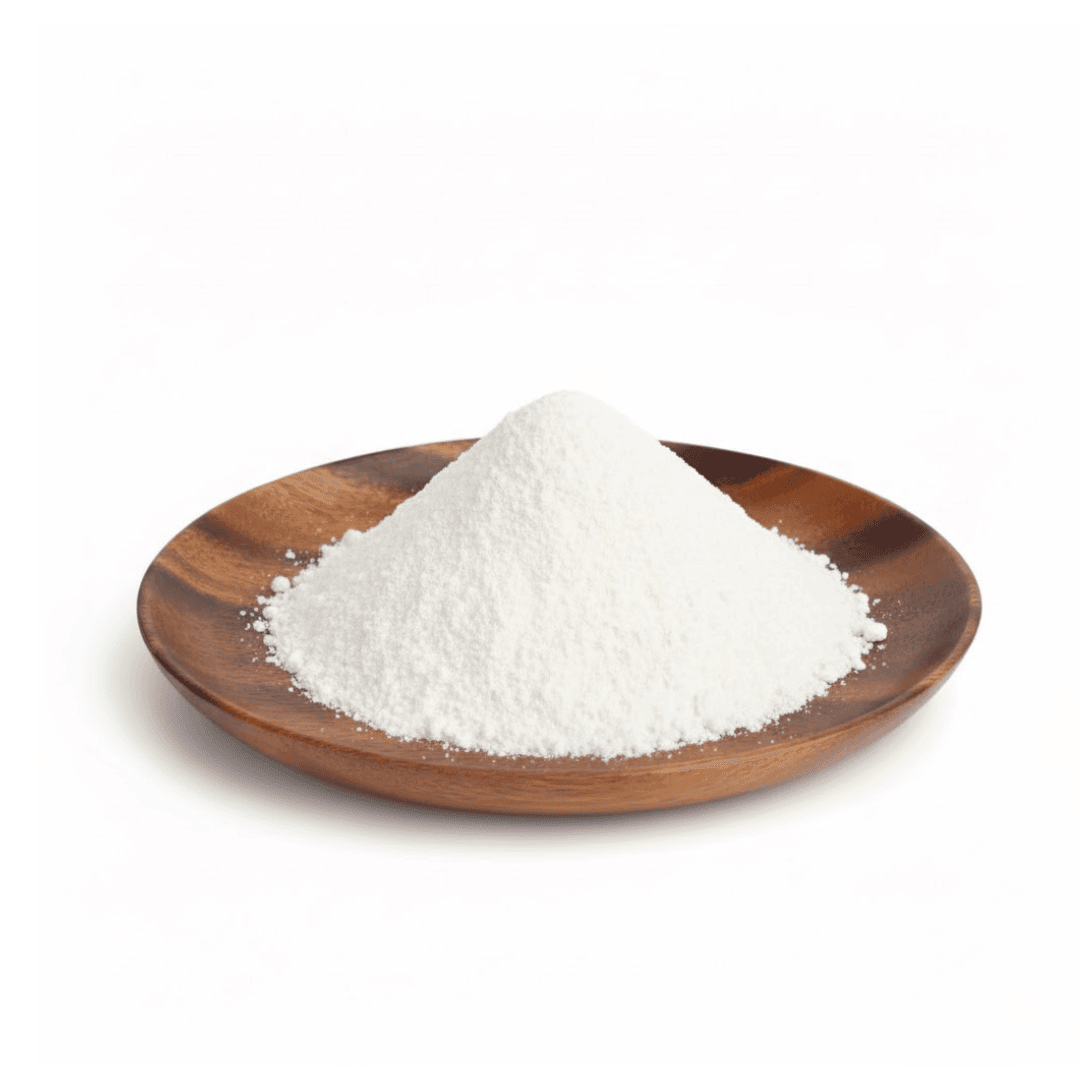
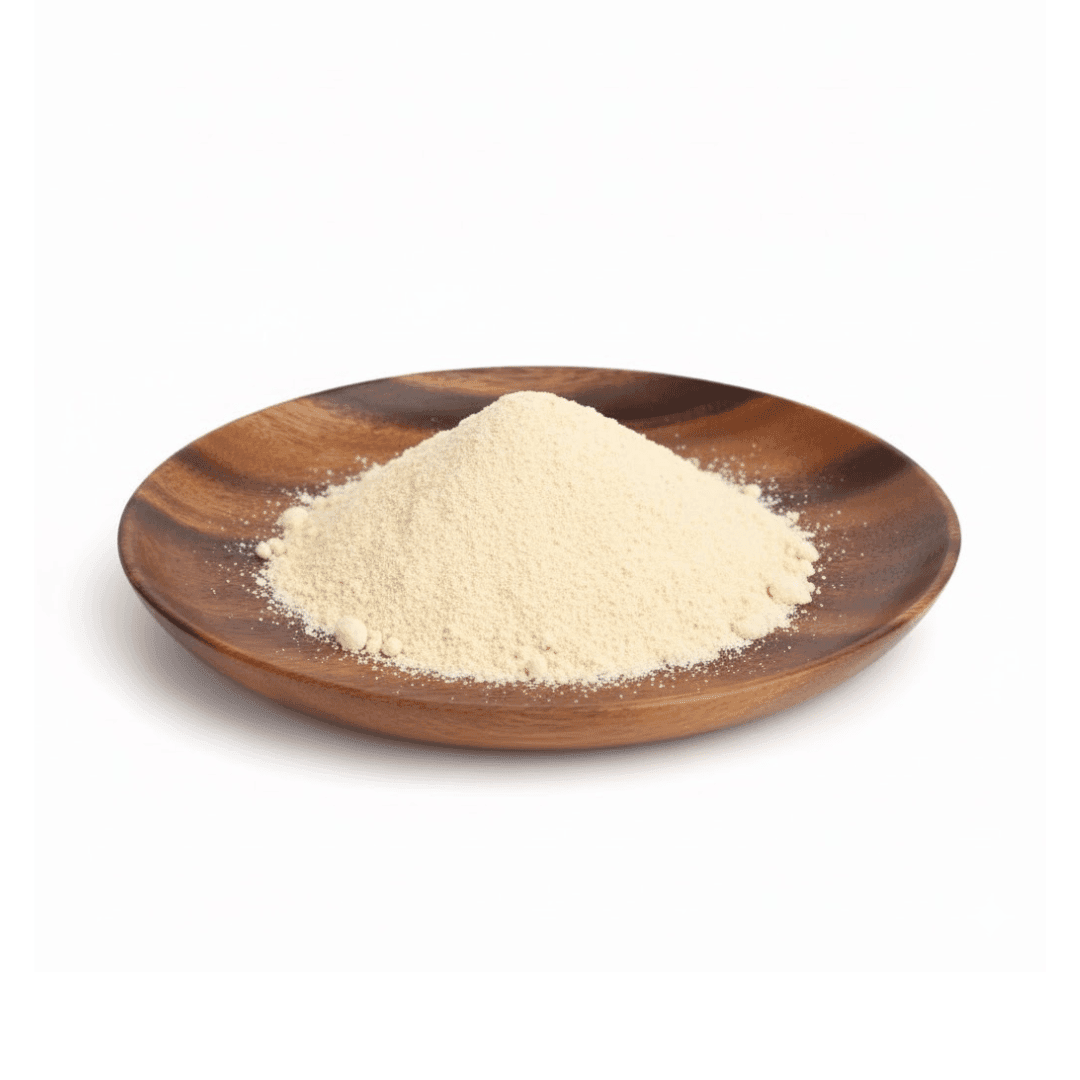
| Appearance | White to light yellow fine powder | Complies |
| Odor | Characteristic | Complies |
| Mesh Size | 95% through 80 mesh size | Complies |
| Moisture | ≤ 10.0% | 5.6% |
| Ash | ≤ 5.0% | 3.3% |
| Heavy Metal | ≤ 10 ppm | 10 ppm |
| Arsenic (As) | ≤ 2 ppm | 2 ppm |
| Lead (Pb) | ≤ 1 ppm | 1 ppm |
| Microbiological | ||
| Total plate count | ≤ 1,000 cfu/g | Complies |
| Saccharomycete & Mold | ≤ 100 cfu/g | Complies |
| Coliform | Negative | Negative |
| Salmonella | Negative | Negative |
| Staphylococcus aureus | Negative | Negative |
Conclusion
Complies
5. Flow Chart
Vitamin C from Green Pepper to Human Body
This flow chart illustrates the journey of Vitamin C from consumption to its physiological effects.
graph TD
A[Start: Consumption of Green Pepper] --> B{In the Mouth};
B --> C[Ingestion & Swallowing];
C --> D{Stomach};
D -- Mechanical & Chemical Digestion --> E{Small Intestine};
E -- Active Transport via SVCT1 --> F[Absorption into Bloodstream];
F --> G{Liver};
G -- Distribution via Bloodstream --> H[Delivered to Body Cells];
H -- Active Transport via SVCT2 --> I[Inside the Cell];
I --> J{Vitamin C Performs Key Functions};
J --> K[Antioxidant Activity: Neutralizes Free Radicals];
J --> L[Collagen Synthesis: Hydroxylates Proline & Lysine];
J --> M[Neurotransmitter Synthesis: e.g., Norepinephrine];
J --> N[Immune Support: Enhances White Blood Cell Function];
K --> O[Cellular Protection & Reduced Oxidative Stress];
L --> P[Healthy Skin, Bones, Blood Vessels];
M --> Q[Proper Nervous System Function];
N --> R[Enhanced Immune Response];
O --> S[End Result: Improved Health & Well-being];
P --> S;
Q --> S;
R --> S;
subgraph Excess Vitamin C
I -- When saturated --> T[Excreted via Kidneys into Urine];
end
6. MOA
The Mechanism of Action (MOA) describes how Vitamin C (ascorbic acid) exerts its effects at the molecular and cellular level.
A. Absorption and Cellular Uptake
- Intestinal Absorption: In the small intestine, Vitamin C is absorbed through active transport. This process is mediated by a specific protein carrier called Sodium-dependent Vitamin C Transporter 1 (SVCT1). This transporter uses the energy from a sodium gradient to move Vitamin C from the intestine into the bloodstream.
- Cellular Uptake: Once in the bloodstream, Vitamin C is distributed to various tissues. It enters most cells (like immune cells, skin cells, and neurons) via another specific protein, Sodium-dependent Vitamin C Transporter 2 (SVCT2). This ensures that cells can accumulate Vitamin C at concentrations much higher than those found in the blood.
B. Primary Molecular Mechanisms
1. Potent Antioxidant Activity
- Mechanism: Vitamin C is a powerful reducing agent, meaning it readily donates electrons to neutralize harmful molecules.
- Action: It directly scavenges reactive oxygen species (ROS), such as superoxide radicals, hydroxyl radicals, and singlet oxygen. By donating an electron, it stabilizes these free radicals, preventing them from causing oxidative damage to cell membranes, proteins, and DNA.
- Regeneration: Vitamin C also helps regenerate other antioxidants, most notably Vitamin E. After Vitamin E neutralizes a free radical in a fatty environment (like a cell membrane), it becomes oxidized. Vitamin C can donate an electron to Vitamin E, restoring it to its active, antioxidant form.
2. Essential Co-factor for Collagen Synthesis
- Mechanism: Vitamin C acts as an essential co-factor for two key enzymes: prolyl hydroxylase and lysyl hydroxylase.
- Action: These enzymes are required for the post-translational modification of collagen. They add hydroxyl groups (-OH) to the amino acids proline and lysine. This hydroxylation is critical for collagen molecules to form a stable, triple-helix structure.
- Result: Without sufficient Vitamin C, this process is impaired, leading to the production of weak, unstable collagen. This is the underlying cause of scurvy, characterized by poor wound healing, bleeding gums, and weakened blood vessels.
3. Co-factor for Neurotransmitter and Hormone Synthesis
- Mechanism: Vitamin C is a co-factor for dopamine β-hydroxylase, the enzyme that converts the neurotransmitter dopamine into norepinephrine (noradrenaline).
- Action: This conversion is vital for the proper functioning of the central nervous system and the regulation of mood, stress response, and blood pressure.
- Other Roles: It also participates in the synthesis of carnitine (important for energy production in mitochondria) and the amidation of peptide hormones.
4. Modulation of Immune Function
- Mechanism: Vitamin C accumulates in high concentrations in phagocytic cells like neutrophils and macrophages.
- Action:
- It enhances the chemotaxis (movement), phagocytosis (engulfing pathogens), and oxidative burst (killing pathogens) of these immune cells.
- It supports the proliferation and differentiation of B- and T-lymphocytes, which are crucial for the adaptive immune response.
- It may help reduce the duration and severity of infections by supporting these cellular defenses and acting as an antioxidant in the inflamed tissues.
7. NMR
Contact us to obtain the NMR spectrum.
8. Stability and Safety
This product remains stable when stored appropriately (at ambient temperature). A Stability Data Sheet can be provided on request.
Per the U.S. FDA's GRAS (Generally Recognized As Safe) status, it is deemed safe for human use.
9. Customer Comments
10. Our Certificates
For years, we have focused on refining production processes and building robust quality frameworks. We have implemented a comprehensive quality management system and earned relevant certifications.
11. Our Clients
We have forged partnerships with leading firms such as Abbott, Unilever, Shiseido, KANS, and SIMM.
12. Exhibitions
These images depict our participation in global trade shows like CPhI, FIC, API, Vitafoods, and SupplySide West.