- Introduction
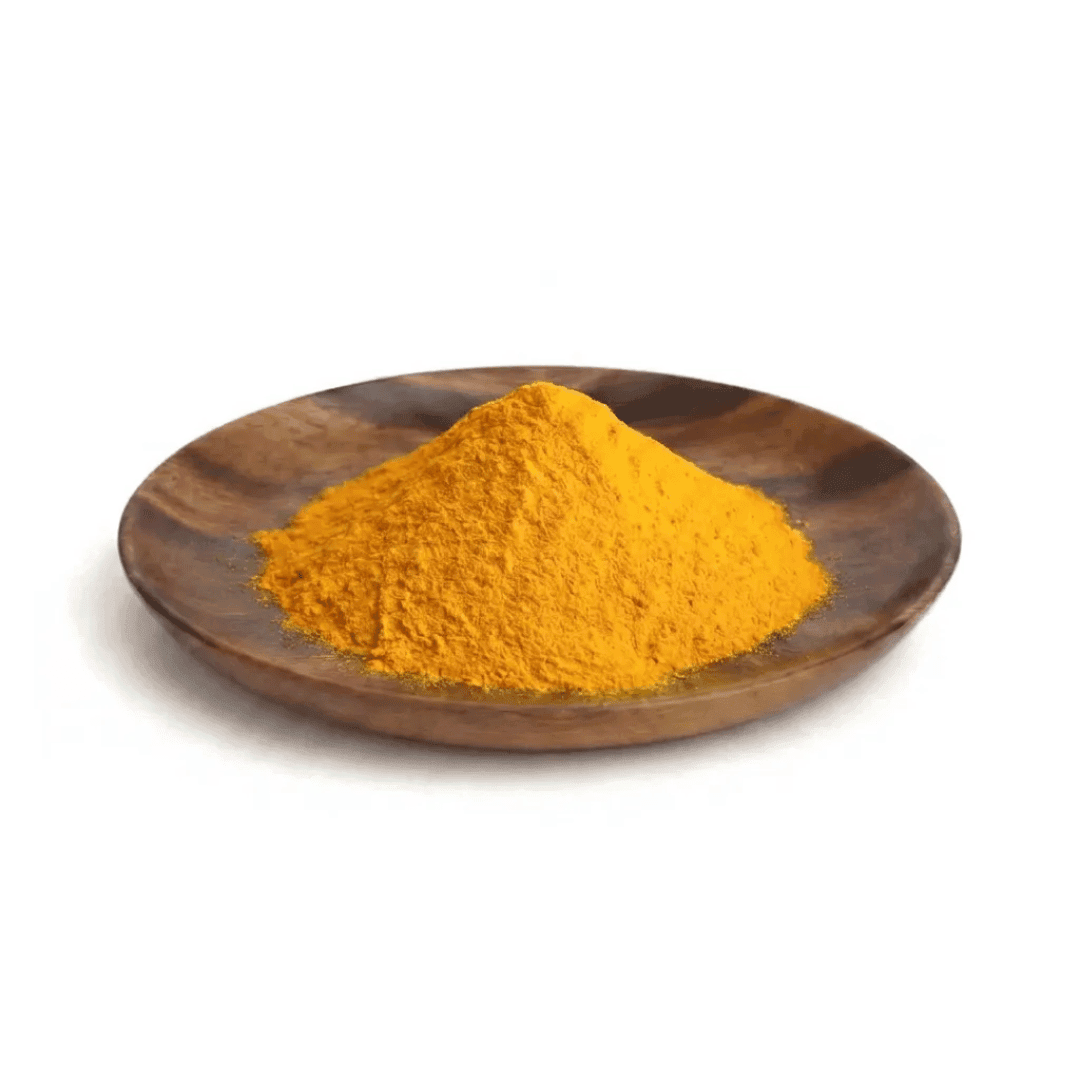
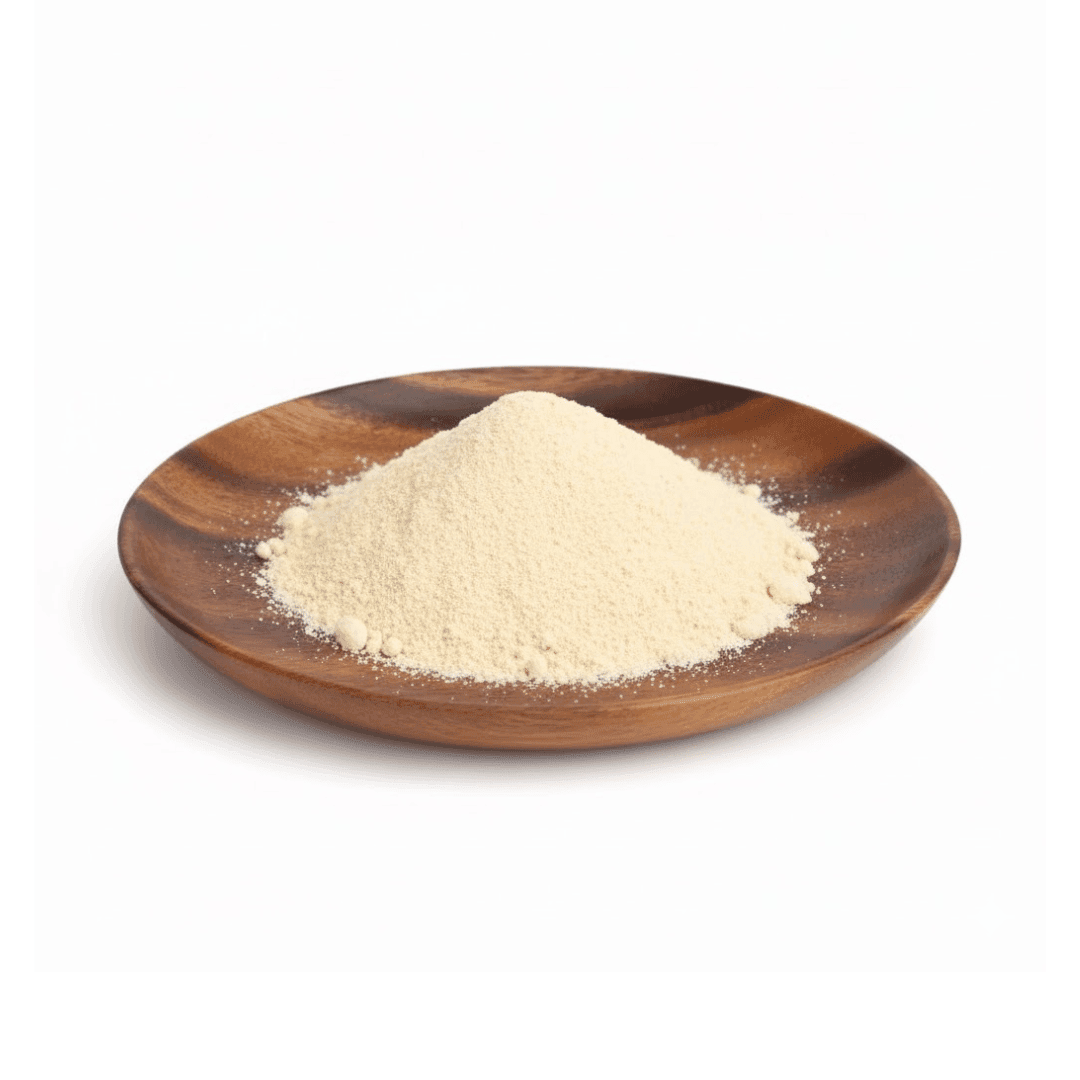
Gardenia yellow powder is a naturally occurring colorant derived from the ripened fruit of the Gardenia jasminoides Ellis plant. As a carotenoid, its key elements include crocin and crocetin. This pigment is safe to use and offers certain nutritional benefits, primarily serving as a coloring agent. It bears similarities to carotene and comes from a botanical source, providing properties such as heat clearance, detoxification, and bile stimulation. When applied in the appropriate doses, it poses no adverse effects on human health. Gardenia yellow powder functions as a food additive in products like fruit juices (and flavored beverages), mixed drinks, decorative finishes on baked goods, frozen treats, ice cream, expanded snacks, gel desserts, pastries, sweets, and preserved nuts. It also acts as a natural dyeing substance in traditional fabric coloring and cosmetics sectors. Recognized as a high-quality natural food colorant, it avoids the drawbacks of artificial dyes while delivering benefits like strong tinting capability, vibrant hues, resistance to light and heat, tolerance to acids and bases, and lack of any scent.
- Functions
2.1 Food Industry
Gardenia yellow powder helps prevent the oxidation of 80% linoleic acid and exhibits antibacterial properties. It provides superior coloring for proteins, starches, and other materials, making it suitable for a range of food items including desserts, confections, dough products, drinks, gelatin-based treats, crackers, and frozen desserts. As a result, it can serve as both an antioxidant and a color enhancer in food production.
2.2 Silk Fabric Industry
Research indicates that gardenia yellow extract powder can be used directly to dye silk materials, with the dye quantity significantly impacting the outcome. The dyeing process demonstrates strong performance.
2.3 Pharmaceutical Industry
Beyond its role as a colorant, gardenia yellow extract powder includes a notable amount of crocetin, which holds substantial medicinal value and commands a premium price. It can therefore be utilized in pharmaceuticals for applications such as improving blood flow, enhancing circulation, alleviating tiredness, reducing discomfort, and lowering blood pressure.
- Applications
Gardenia yellow powder is primarily utilized in the food, silk fabric, and pharmaceutical sectors.
- Quality Standard
| Item | Specification | Result |
|---|---|---|
| Color value [E1%1cm (440±5)nm] | ≥60 | 61.11 |
| Geniposide | ≤1% | <1% |
| Organoleptic | ||
| Appearance | Orange yellow powder | Conforms |
| Odor | Characteristic | Conforms |
| Physical Characteristics | ||
| Loss on Drying | ≤7% | 4.54% |
| Heavy Metals | ||
| Arsenic (As) | ≤2ppm | <2ppm |
| Lead (Pb) | ≤3ppm | <3ppm |
| Microbiological Tests | ||
| Total Plate Count | ≤1000cfu/g | Conforms |
| Total Yeast & Mold | ≤100cfu/g | Conforms |
| E. Coli | Absence | Negative |
| Salmonella | Absence | Negative |
- Method of Analysis
Accurately measure approximately 0.15 g of the powdered sample (to the nearest 0.0002 g) or about 1 g of the extract or liquid sample (to the nearest 0.0002 g). Dissolve it in water and transfer to a 100 mL volumetric flask, then dilute to the mark with water and mix thoroughly. Next, take 10 mL of this solution and transfer it to another 100 mL volumetric flask, dilute to volume with water, and mix well. Place the resulting solution in a 1 cm cuvette, using water as the reference blank. Employ a spectrophotometer to determine the absorbance at the peak wavelength in the (440 nm ± 5 nm) range. (Ensure the absorbance falls between 0.3 and 0.7; if not, adjust the sample concentration and remeasure.)
- Stability and Safety
Stability:
The product remains stable when stored under appropriate conditions, such as room temperature. A stability data sheet can be provided upon request.
Safety:
Based on available studies, it is considered safe for human use.