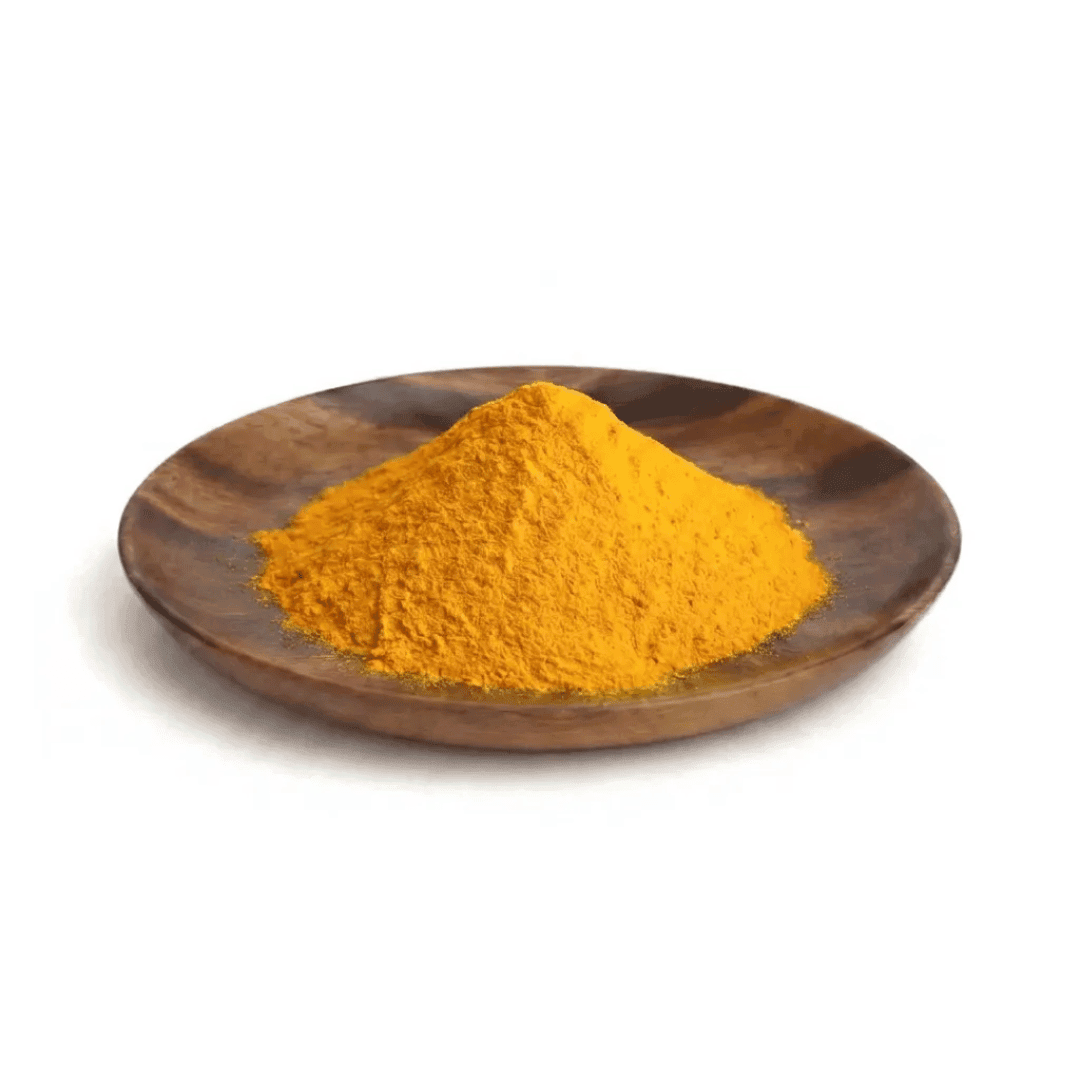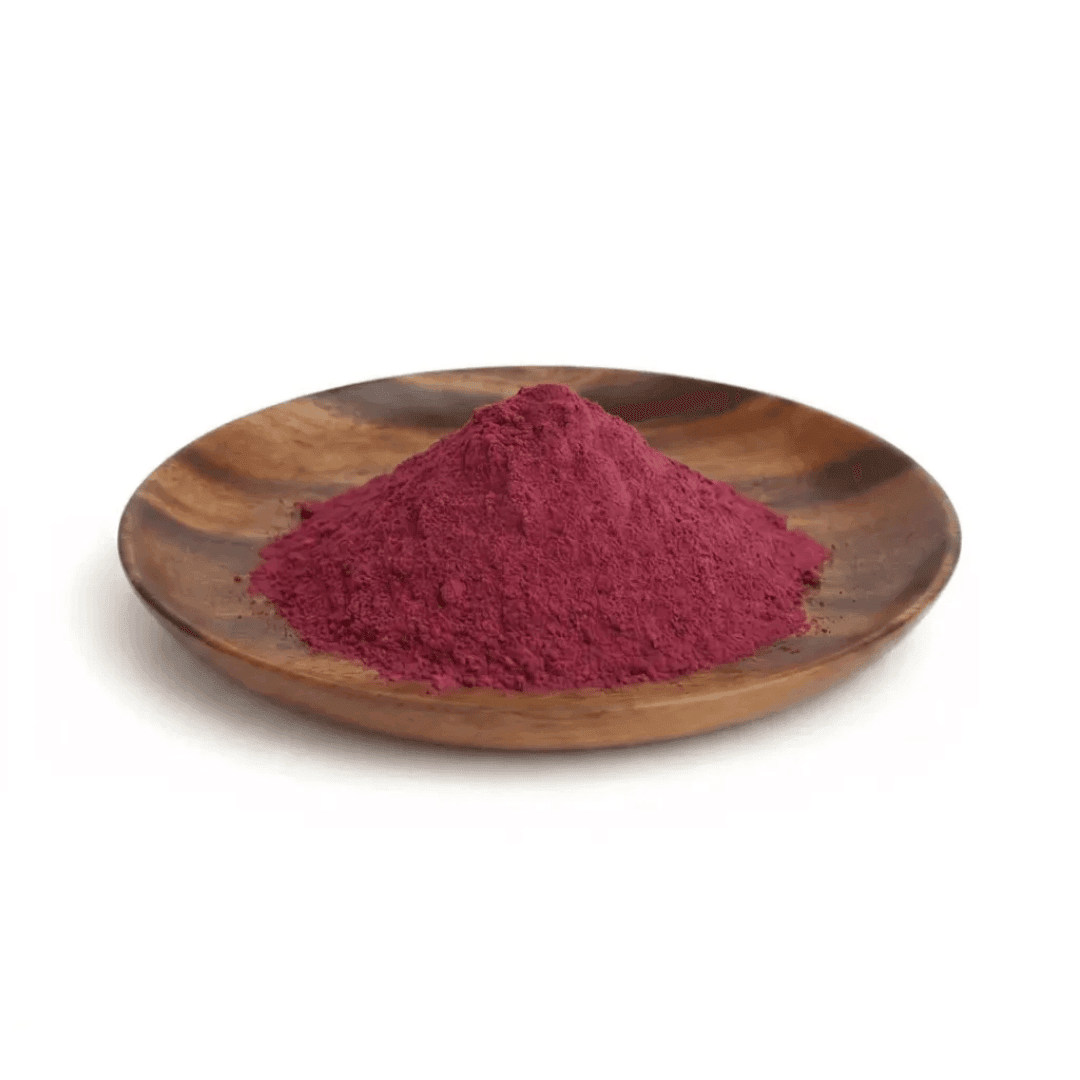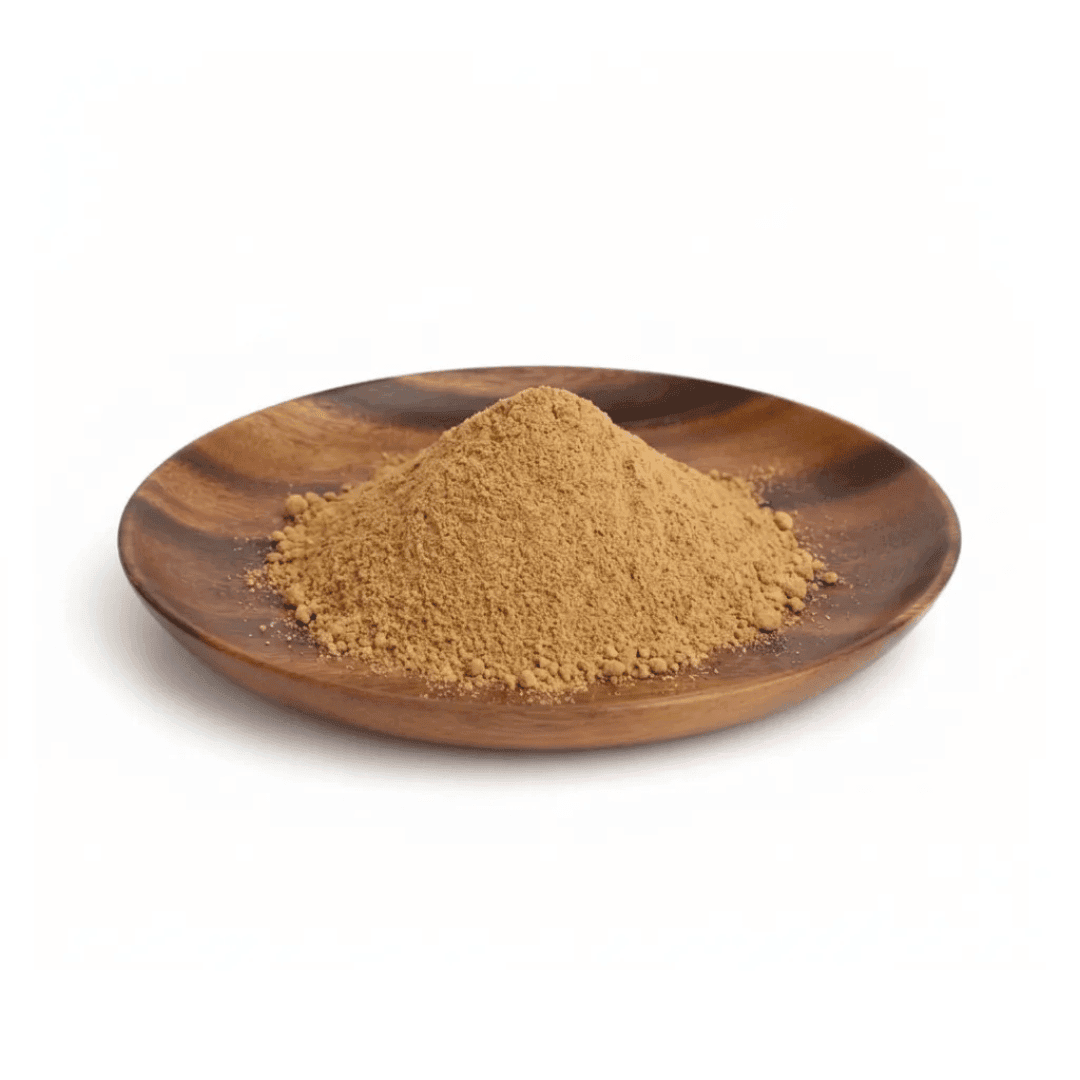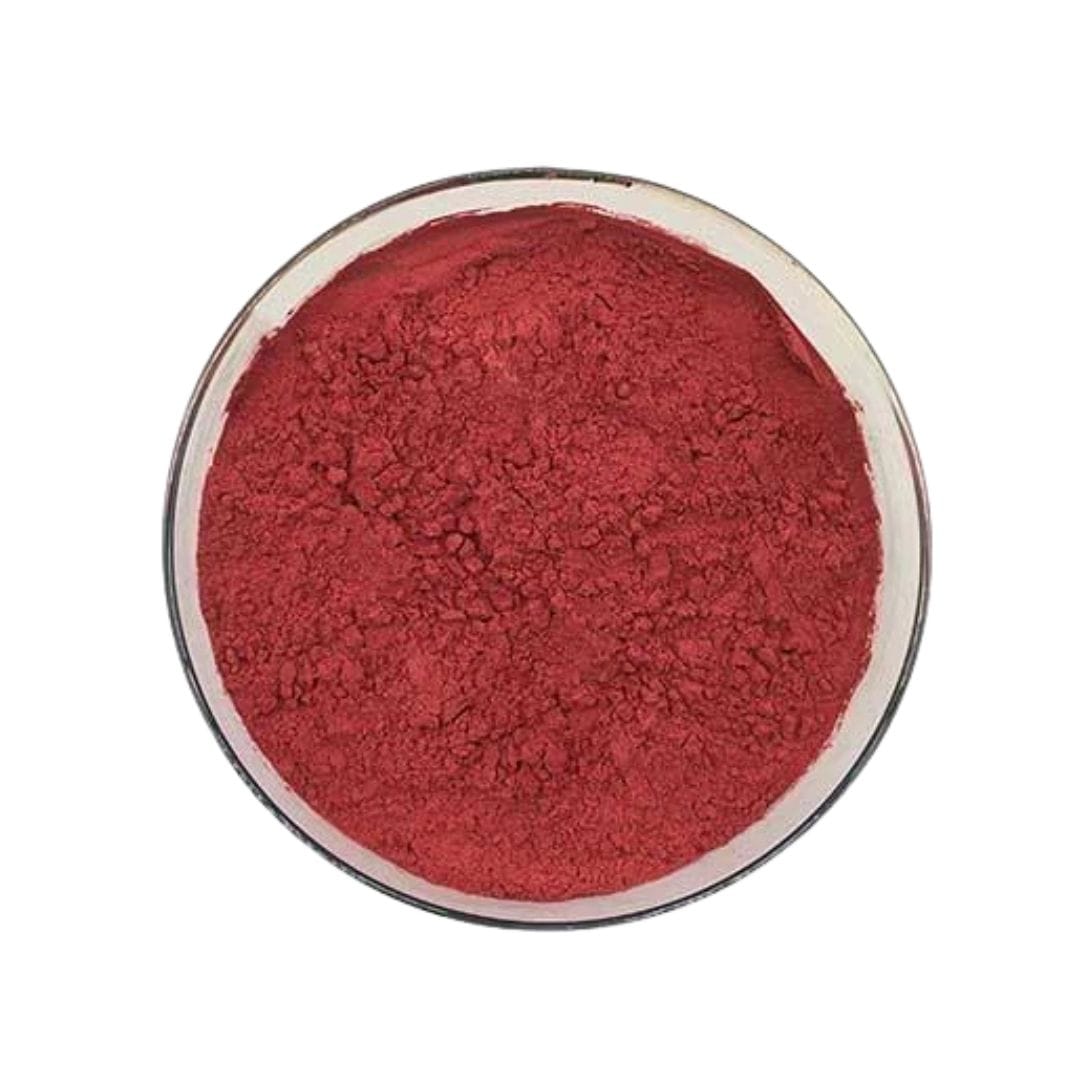
- Introduction
Carmine extract is derived from cochineal insects. The cochineal insect (Dactylopius coccus) originates in Mexico and is part of the Hemiptera order, within the Coccididae family and Coccidus genus. These insects typically live on cacti, feeding on their sap. Males possess wings for flight, while females remain largely stationary, their plump bodies producing hair-like white waxy structures that can resemble a blanket of snow when clustered. Under stress, females generate carminic acid, which can be refined through various processes to yield a vibrant scarlet known as carmine red—an anthraquinone pigment notable for its excellent resistance to light and heat, as well as its antioxidant qualities. This natural colorant finds applications in both food and cosmetics.
Historically, ancient Mexican civilizations mastered the extraction of this valuable red dye from cochineal insects for purposes such as fabric dyeing and art. The Aztec rulers even required annual tributes of carmine from their people. During the colonial era, this striking red hue captured the interest of Spanish colonizers, who brought it to Europe, where it created a stir. It proved to be more vivid and appealing than any prior natural red dyes. For a time, garments colored with carmine became a prestigious emblem of nobility. This popularity grew, reshaping aesthetic preferences, and influencing elements like the bold hues in renowned artworks, the ceremonial attire of high-ranking clergy, and the red uniforms of British soldiers.
- Function
The primary constituent of carmine extract is carminic acid, which makes up 17 to 24% of the dry insect's weight. This premium anthraquinone-based colorant delivers a vivid, luminous red shade. It serves as an industrial biological pigment for textiles, food, cosmetics, and pharmaceuticals. Extracting carminic acid from dried cochineal insects involves a precise process using an acidic aqueous alcohol solution. The resulting solution is then precipitated onto a hydrated aluminum base with aluminum and calcium ions as agents, forming a deep red pigment called carmine. Producing one pound of cochineal red with 50% carminic acid content requires approximately 70,000 insects.
In the food industry, carmine functions as a color additive for products like jams, candies, pastries, drinks, baked items, snacks, and processed meats. As a natural pigment, it addresses consumer demands for healthier options while improving the visual appeal of foods.
- Application
Carmine extract serves as a natural pigment in the food and cosmetics sectors.
- Quality Standard
| Items | Specifications | Results |
|---|---|---|
| Carminic acid | ≥2.0% | 2.3% |
| Appearance | Red powder | Complies |
| Total Ash | ≤12.0% | 3.8% |
| Loss on Drying | ≤20.0% | 5.4% |
| Protein | ≤2.2% | 0.9% |
| Pb | ≤2.0% | 0.5% |
| Microbiology | ||
| Total Plate Count | ≤1000 cfu/g | <1000 cfu/g |
| Yeast & Mold | ≤100 cfu/g | <100 cfu/g |
| E. Coil | Negative | Complies |
| Salmonella | Negative | Complies |
| Staphylococcus aureus | Negative | Complies |
- Method of Analysis
Accurately measure 1 g of the carmine sample to the nearest 0.001 g, or 0.1 g of carmine aluminum lake to the nearest 0.0001 g. Dissolve it in 30 mL of hydrochloric acid solution, bring to a boil, then cool to room temperature. Transfer the mixture to a 1000 mL volumetric flask, dilute to the mark with water, and mix thoroughly. Using a spectrophotometer with a 1 cm cuvette and water as the blank, determine the absorbance at the peak wavelength of 494 nm. The absorbance of the test solution should fall between 0.650 and 0.750; if not, adjust the sample weight and prepare a new solution accordingly.
- Stability and Safety
Stability: The product remains stable when stored under appropriate conditions, such as room temperature. A detailed stability data sheet can be provided upon request.
Safety: Research indicates that it is safe for human use.