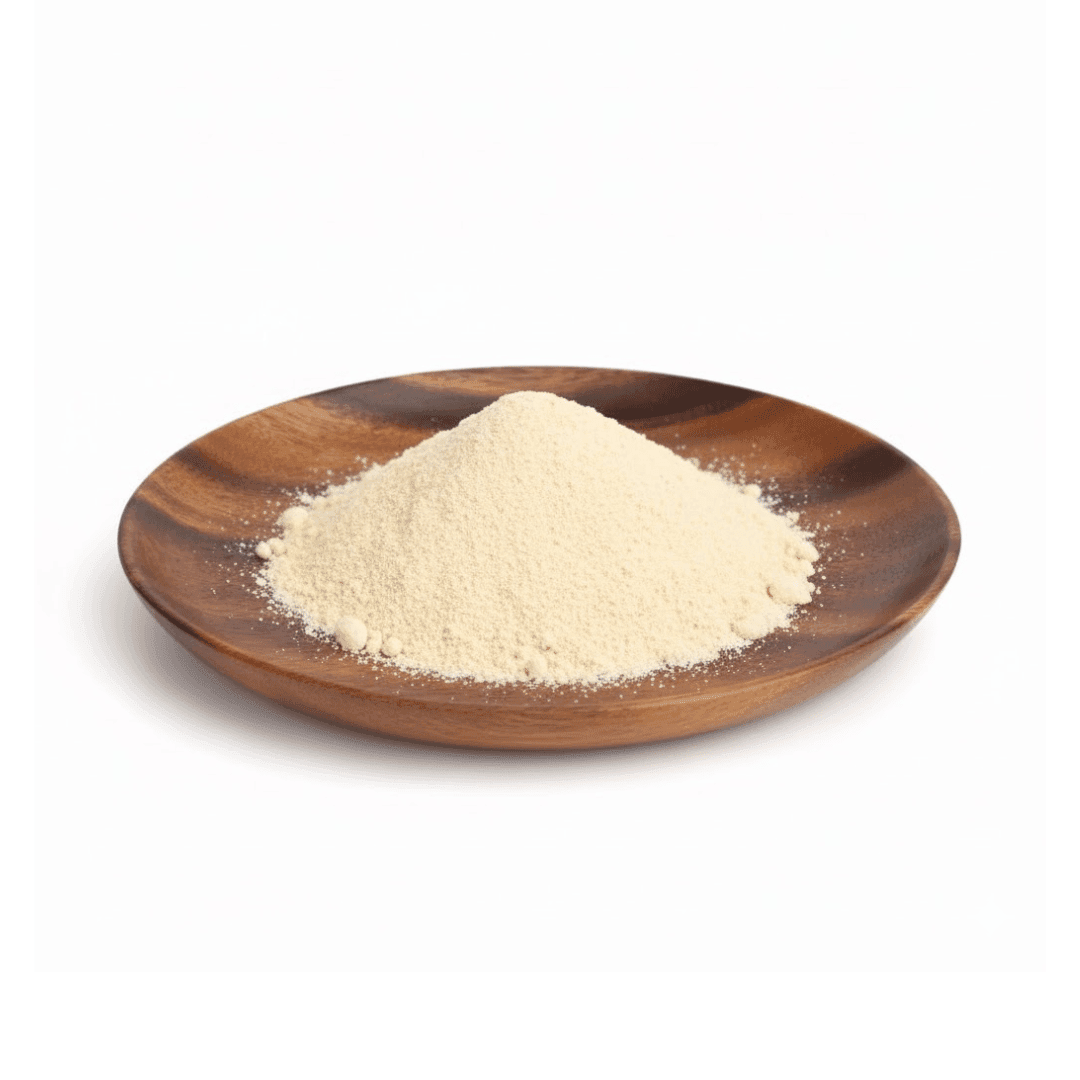
- Introduction
Tagetes erecta L., a flowering plant from the Tagetes genus in the Asteraceae family, originates from Mexico and is now widespread across China. This plant is commonly planted in spring and can be propagated through cuttings in summer, as it roots easily and develops seedlings rapidly. Due to its large blooms and extended blooming season, it is frequently used in ornamental landscaping, such as enhancing flower beds, public squares, floral arrangements, border plantings, and creating living fences.
In the natural world, lutein (CAS 127-40-2) is most abundant in dark green leafy vegetables like broccoli, kale, and spinach, as well as in flowers such as marigolds. Typically, lutein and other carotenoids are derived from marigold flowers, where concentrations can reach up to 12 grams per kilogram. This substance is a safe, natural pigment, often referred to as "plant-derived lutein."
Lutein (CAS 127-40-2) is an oxygenated carotenoid present in various vegetables and fruits. As one of over 600 identified natural carotenoids, it serves as both a food coloring agent and a plant metabolite, derived from the compound (6'R)-β-ε-carotene. Within green plants, lutein helps manage light energy and functions as a non-photochemical quencher to neutralize triplet chlorophyll, an overexcited state of chlorophyll that forms during intense photosynthesis under high light conditions.
In humans, lutein is found in the eye's macula, where it is thought to act as a natural yellow filter. As an antioxidant, it safeguards cells against damage from free radicals.
- Benefits
2.1 Lutein (CAS 127-40-2) is an essential nutrient for maintaining eye health. It is present in areas such as the chest, heart, bloodstream, skin, and eyes. Since the human body cannot produce lutein or zeaxanthin on its own, these must be obtained through dietary sources. Consuming foods high in lutein or using supplements containing lutein and zeaxanthin is crucial for individuals with heavy visual demands, children in their visual development stages, or those experiencing vision loss or deterioration.
(1) Safeguarding the retina
Lutein (CAS 127-40-2) provides antioxidant protection that shields the retina from harm. As a potent antioxidant, it filters out blue light and minimizes visual aberrations, enhancing overall sight. A 1997 study in Experimental Eye Research indicated that participants who consumed about 30mg of lutein daily for five months experienced a notable reduction in blue light damage to sensitive eye regions.
(2) Mitigating glaucoma risk
Lutein helps lower the oxidative stress on eye proteins, meaning higher intake correlates with a decreased likelihood of developing glaucoma.
(3) Slowing cataract progression
As a carotenoid located in the eye's lens, lutein offers strong antioxidant properties, combating free radicals and UV exposure to lessen cataract risk and postpone their onset.
(4) Addressing complications of severe nearsightedness
High myopia can lead to issues like floaters, retinal fluid buildup, and detachment, potentially causing permanent vision loss. Adequate lutein intake supplies necessary nutrients to reduce these risks.
(5) Combating macular degeneration
Age-related macular issues are a common cause of blindness in older adults. Research shows that lutein can address degenerative macular conditions, lowering the risk of vision loss in seniors.
2.2 Lutein (CAS 127-40-2) acts as an antioxidant, protecting the body from free radical damage. Found in abundance in fruits and vegetables, it supports retinal health, boosts vision, guards against glaucoma, delays cataracts, minimizes high myopia complications, and addresses macular degeneration, making it vital for eye care.
(1) Antioxidant properties
Lutein suppresses reactive oxygen species, preventing harm to healthy cells, and bolsters the body's defenses through physical and chemical mechanisms, improving overall immunity.
(2) Cancer-preventive effects
Lutein may inhibit various cancers, including breast, prostate, colorectal, and skin cancers. Incorporating it into the diet can help suppress tumor growth and prevent cancer development.
(3) Promoting bone health
A study involving 63 healthy adults found that while serum levels of lutein and zeaxanthin did not directly correlate with bone density, macular pigment optical density was linked to stronger bone mass in the hip and spine. Consistent consumption of lutein-rich foods is associated with improved bone strength, potentially reducing risks like osteoporosis and fractures.
(4) Enhancing physical activity levels
Sedentary lifestyles contribute to risks for conditions such as cardiovascular disease, diabetes, certain cancers, obesity, high blood pressure, bone and joint disorders, and depression. A review of 17 studies linked higher lutein levels to increased physical engagement, which could mitigate chronic disease risks. This may occur because lutein crosses the blood-brain barrier, influencing neuronal function and communication.
- Uses
3.1 As a coloring agent
(1) Lutein (CAS 127-40-2) serves as an effective colorant in food and cosmetics, displaying yellow hues at lower concentrations and orange-red at higher ones. The U.S. Food and Drug Administration (FDA) has approved the use of marigold-derived lutein in food products.
(2) As a feed supplement to enhance pigmentation in egg yolks, animal fur, and the meat of poultry, fish, shrimp, and birds.
Pigmentation in animals occurs as lutein deposits in tissues like skin, fat, and beaks, since animals cannot produce these pigments themselves and must obtain them from their diet. The efficiency of pigment absorption varies by source.
The process involves two phases: first, a saturation phase that intensifies yellow tones, and second, a enhancement phase that adds red undertones for fuller color. Only after both phases can animals display their intended hues.
In fish, natural lutein can deposit directly in scales, skin, fat, and eggs, as seen in species like yellowtail or turtles, or convert to astaxanthin for tissue deposition, as in salmon or koi.
3.2 In nutritional supplements
Lutein is a key element of the macular pigment in adults, aiding in the protection of the retina, preventing macular degeneration, and shielding against oxidative retinal damage.
3.3 In pharmaceuticals
(1) Lutein (CAS 127-40-2) effectively lowers blood sugar in individuals with type I diabetes and promotes blood vessel dilation.
(2) It is readily absorbed in the human digestive system, providing antioxidant benefits and potential anti-cancer effects.
(3) It boosts immune function and helps prevent coronary artery disease and atherosclerosis.
Research indicates that lutein supplements can reduce heart disease risk factors, such as lowering cholesterol and triglycerides, improving insulin sensitivity, enhancing fat metabolism, and decreasing inflammation markers in those with cardiac issues.
- Quality Specifications
| Items | Specifications | Results |
|---|---|---|
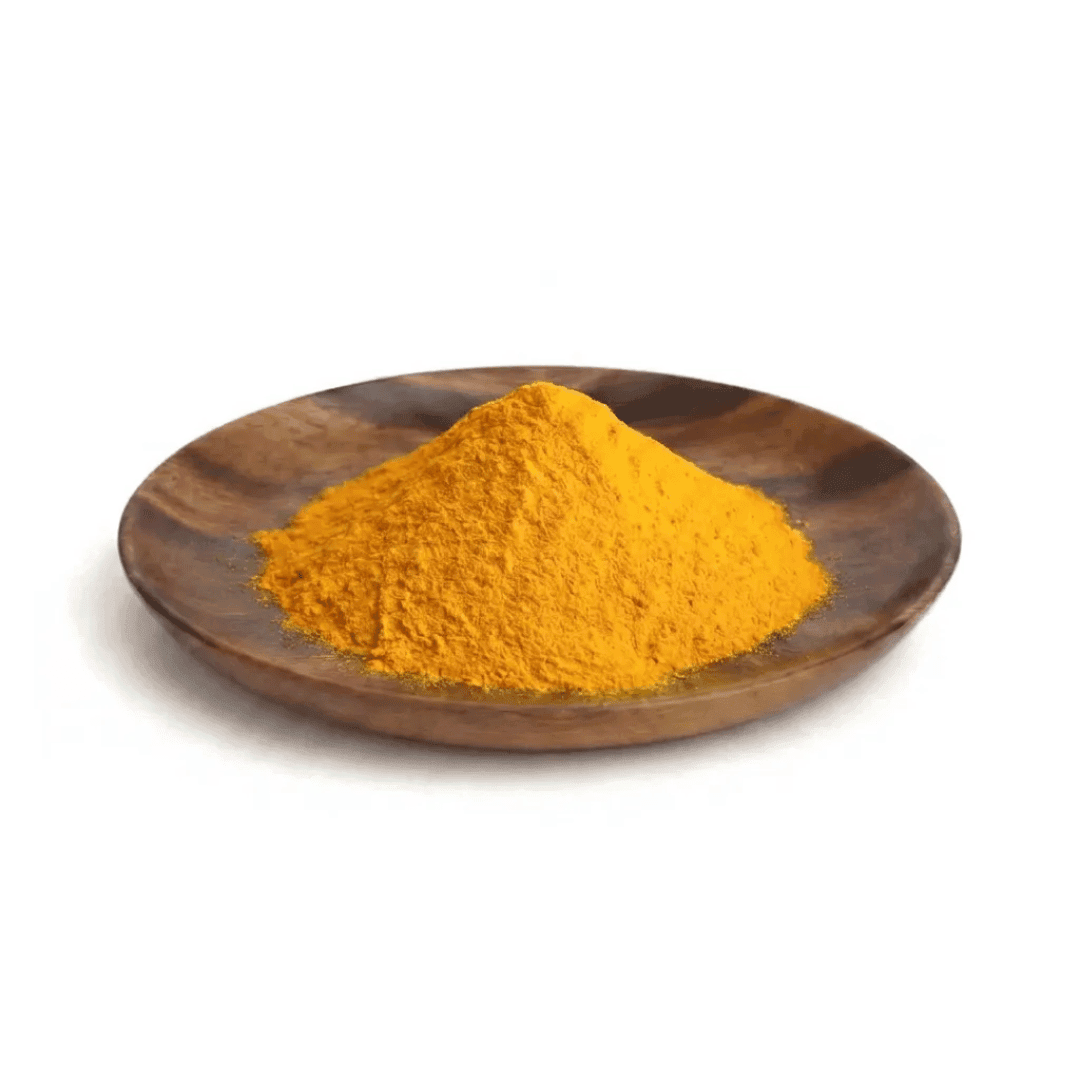
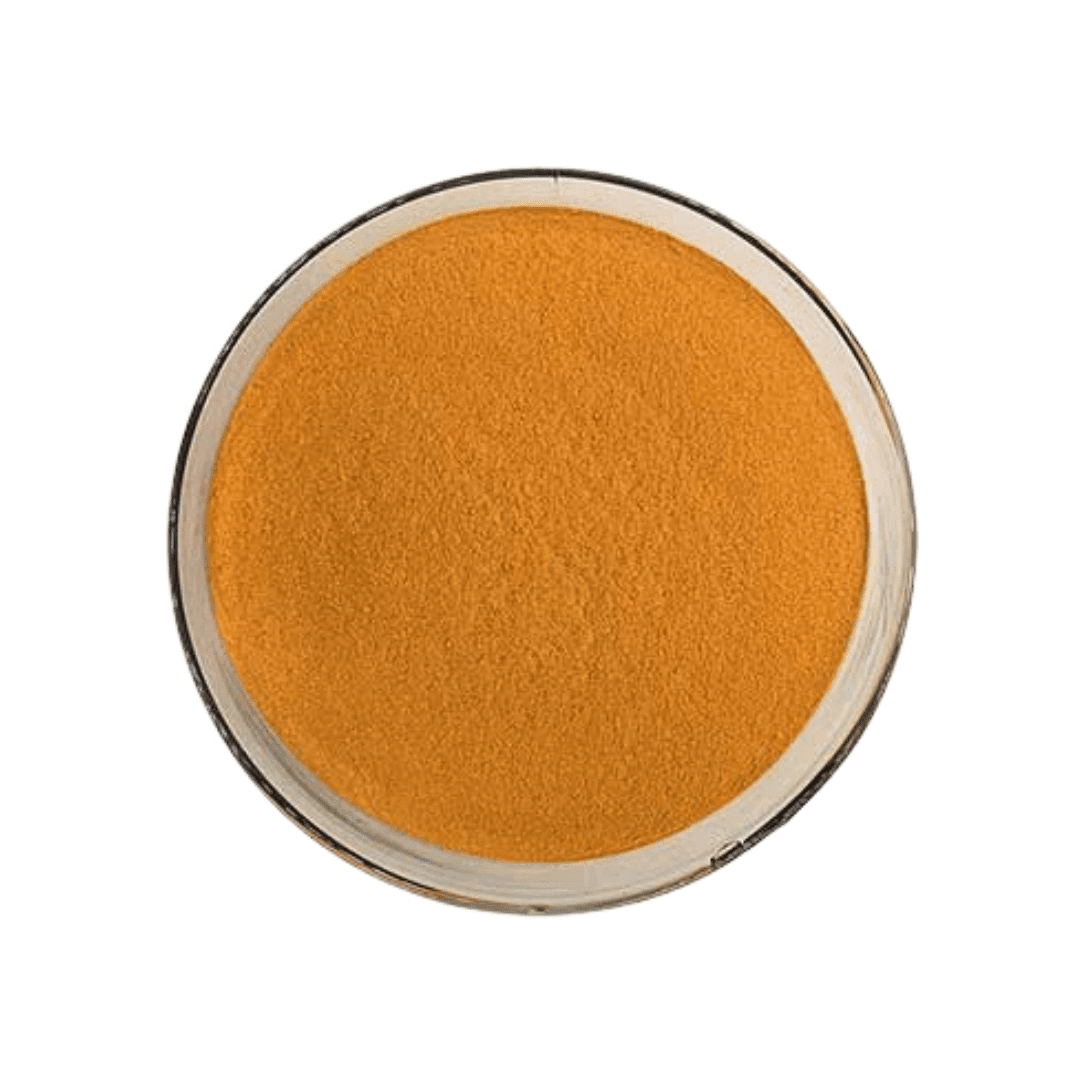
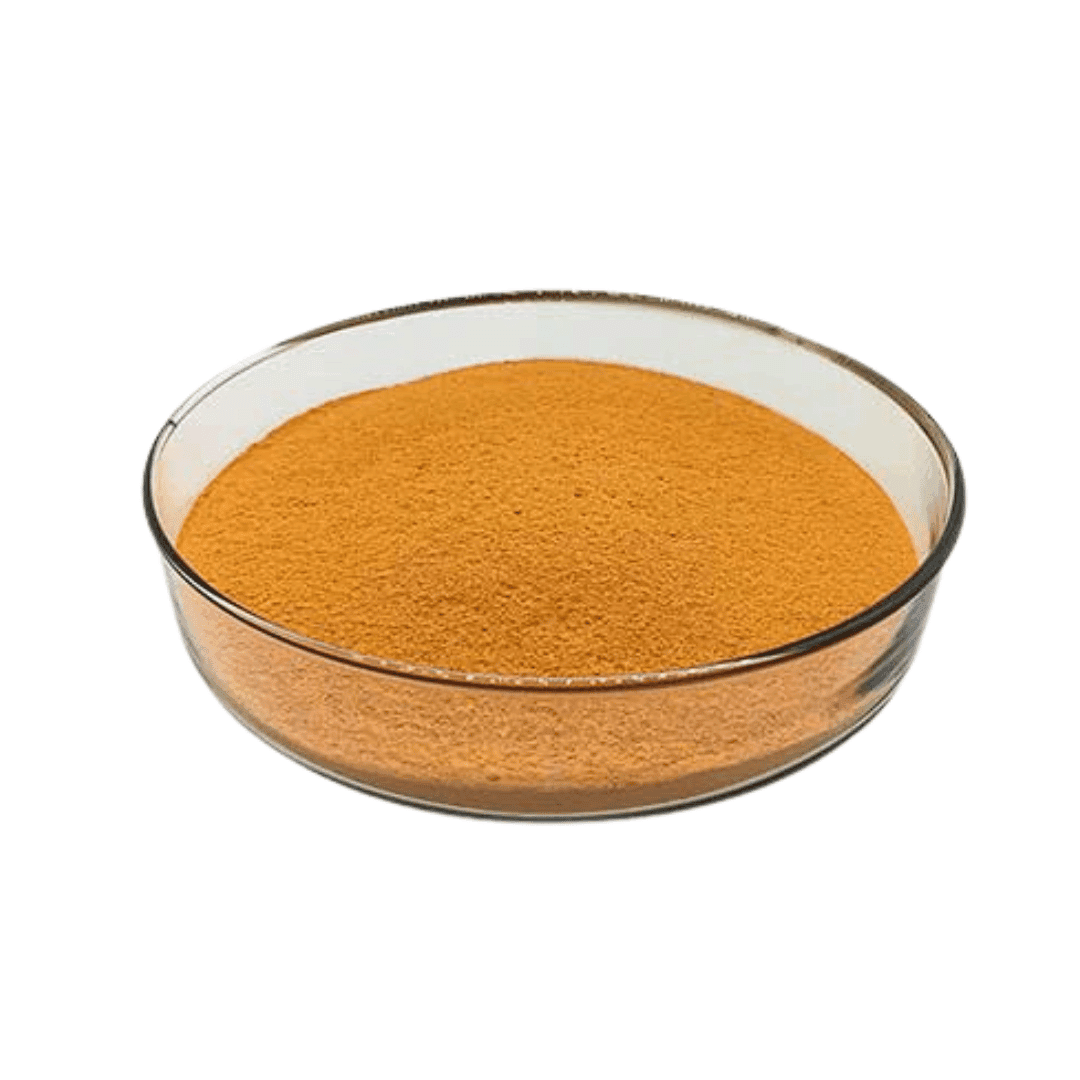
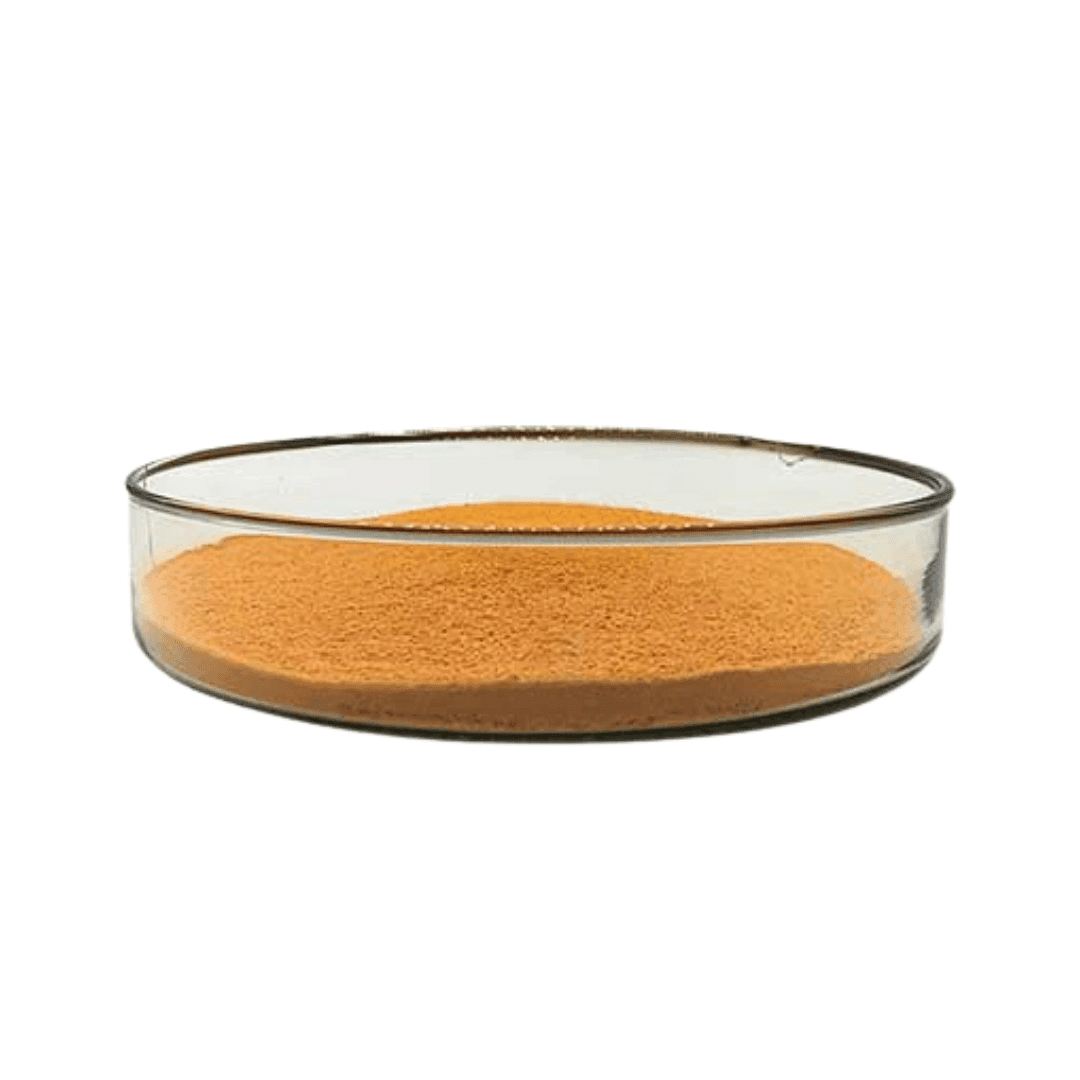
| Appearance | Orange-yellow powder | Complies |
| Odor and taste | Characteristic | Complies |
| Lutein (%) | ≥40.0% (HPLC) | 40.50% |
| Zeaxanthin (%) | ≥1.0% | 1.28% |
| Particle Size | 100% Pass 80 mesh | Complies |
| Bulk Density | 0.30~0.60 g/mL | 0.33 g/mL |
| Loss on Drying | ≤5.0% | 3.12% |
| N-hexane Residue | ≤25 mg/kg | Complies |
| Sulphated Ash | ≤2.0% | 1.21% |
| Heavy Metals | As ≤10.0 ppm | <10 ppm |
| Pb ≤1.0 ppm | <0.2 ppm | |
| Cd ≤1.0 ppm | <0.05 ppm | |
| Hg ≤0.1 ppm | <0.02 ppm | |
| Total Plate Count | ≤1,000 cfu/g | <1000 cfu/g |
| Yeast & Mold | ≤100 cfu/g | <100 cfu/g |
| E. Coli | Not Detected | Negative |
| Salmonella | Negative | Negative |
| Staphylococcus | Negative | Negative |
- Analysis Techniques
Ultraviolet (UV) spectrophotometry is ideal for assessing high lutein levels in raw materials like extracts and powders, while high-performance liquid chromatography (HPLC) is better for products with lower concentrations.
5.1 UV Technique
This method measures lutein content based on total carotenoids, using the peak absorption at 445 nm wavelength. Absorbance is measured, and lutein levels are calculated using the standard absorption coefficient.
5.2 HPLC Technique
HPLC uses lutein standards for accurate quantification, excluding non-lutein components. Extraction solvent and time must be optimized based on the solvent chosen.
Column: C30, 5μm, 250x4.6mm or equivalent
Column temperature: 30°C
Mobile phase: Methanol/water (88+12 volume ratio, with 0.1% BHT) - methyl tert-butyl ether (with 0.1% BHT)
Gradient elution: 0-18 minutes, methanol/water from 100% to 10%; at 18.1 minutes, back to 100% methanol/water and hold for 10 minutes
Flow rate: 1.0 mL/min
Detection wavelength: 445 nm
Injection volume: 50 μL
- Safety Profile and Possible Side Effects
The FDA has classified lutein as generally recognized as safe (GRAS) with no adverse effects at appropriate doses. In the large-scale AREDS2 study over five years, a daily dose of 10mg showed no toxicity or negative reactions for lutein and zeaxanthin.
The only noted side effect is temporary skin yellowing on the hands and feet, which can occur with prolonged high doses or overconsumption, often due to sensitivity or poor metabolism, and is sometimes mistaken for jaundice. In rare cases, exceeding recommended amounts may cause headaches.
- Standard Production Process
Marigold Extract → Extraction → Filtration → Dehydration → Grinding → Refinement → Quality Checks → Initial Packaging → Storage →
Final Verification → Finished Product