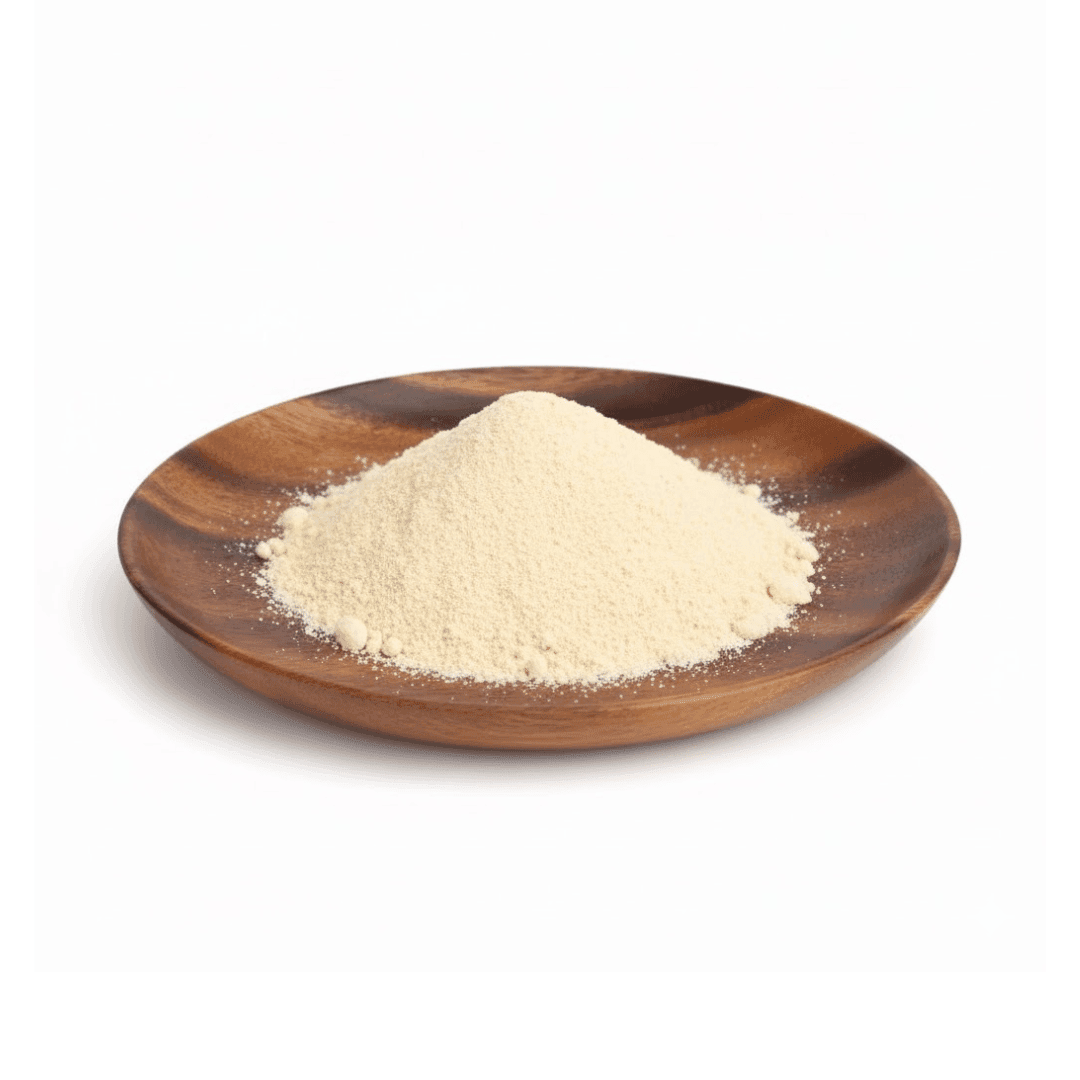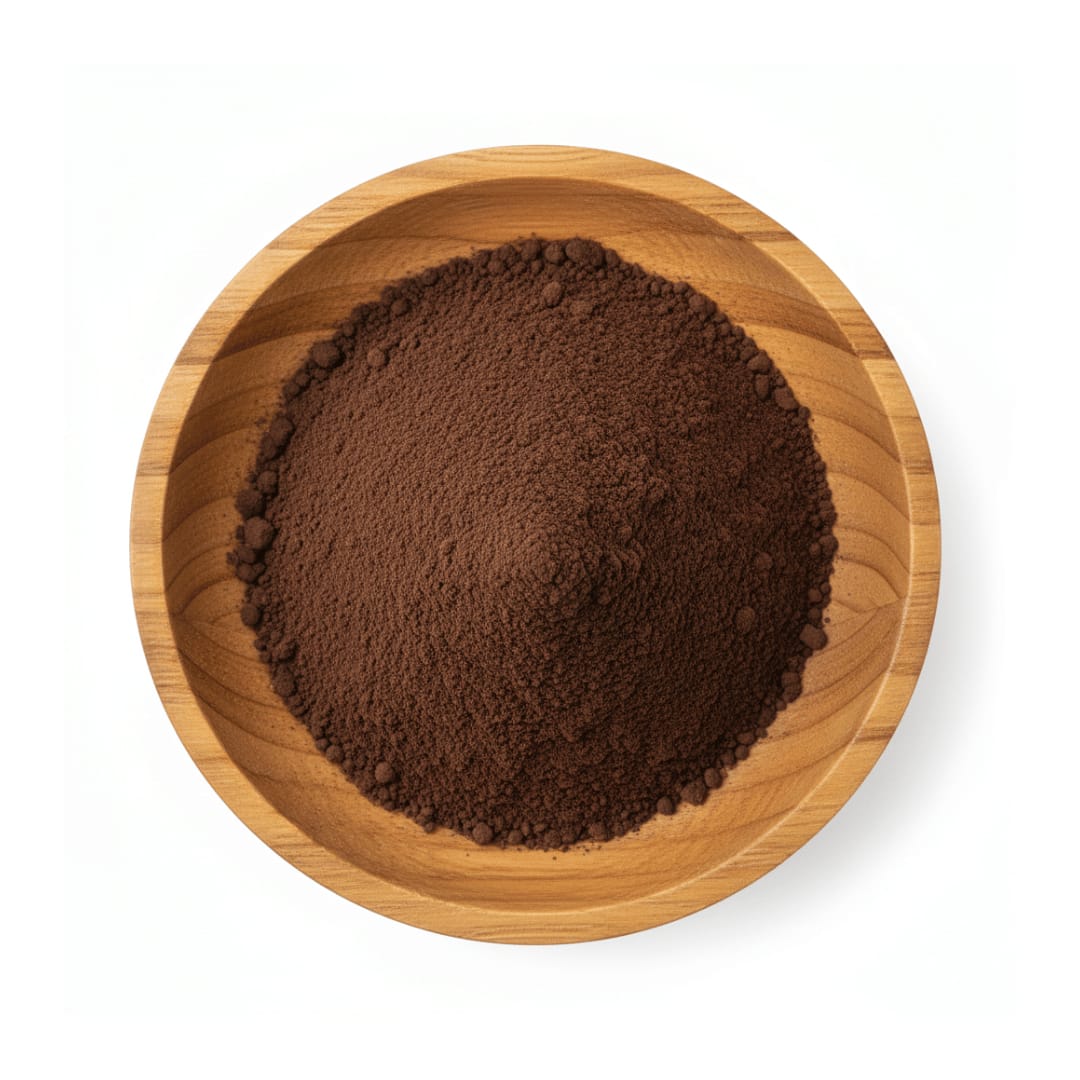
- Introduction
The primary constituent of Coleus Forskohlii Root Extract Powder (CAS 66575-29-9) is forskolin, a natural compound that has been utilized in traditional medicine for hundreds of years. Historically, the plant known as Coleus forskohlii has been applied in regions such as Brazil, eastern and central Africa, India, and various parts of Asia. It is regarded as a key element in Ayurvedic medicine, an ancient healing system that emphasizes overall and integrated well-being.
In Ayurvedic practices and other traditional healing methods, forskolin is noted for its potential to address conditions like cardiovascular issues, gastrointestinal disorders, skin wounds (including burns and lacerations), dermatological conditions (such as eczema and psoriasis), urinary tract infections, respiratory problems like asthma, and additional ailments. Forskolin, derived from Coleus forskohlii, acts as an activator of adenylate cyclase and was first documented in Indian Ayurvedic medicine, with a usage history spanning over 3,000 years. It effectively stimulates adenylate cyclase with an IC50 of 41nM and is commonly employed in cellular reprogramming to mimic certain roles of Oct4. Today, forskolin is frequently marketed as a dietary supplement aimed at enhancing cognitive function and supporting weight management.
- Function
2.1 Promoting Fat Degradation
Coleus Forskohlii Root Extract Powder is believed to directly stimulate the activity of adenylate cyclase on the cell membrane, which is normally triggered by Gs proteins. Adipocytes also contain adenylate cyclase on their membranes, which regulates a hormone-sensitive lipase inside these cells. Typically, the Gs proteins that activate adenylate cyclase are influenced by hormones like adrenaline and glucagon. These hormones are released during stress or hunger, travel through the bloodstream to fat cells, and bind to membrane receptors. Once activated, the receptors stimulate the Gs proteins, which in turn activate adenylate cyclase. This enzyme converts ATP into cyclic adenosine monophosphate (cAMP). The cAMP then activates protein kinase A (PKA), leading to the phosphorylation and activation of hormone-sensitive lipases. These activated lipases break down fats, releasing free fatty acids that can be used as energy. As a result, fat reduction occurs without impacting muscle proteins. Essentially, forskolin shortcuts the process by directly activating adenylate cyclase, bypassing the hormones and Gs proteins, to initiate fat breakdown.
2.2 Neuroprotection
Numerous studies have explored the neuroprotective properties of forskolin. For instance, research on transgenic APP/PS1 mice, a model for cerebral amyloidosis, showed that oral administration of forskolin restored nesting and social behaviors, while reducing Aβ plaque buildup in the cortex and hippocampus. Furthermore, the treatment group exhibited lower expression of transforming growth factor β, glial fibrillary acidic protein, and Iba-1, indicating that forskolin modulates the inflammatory responses mediated by activated microglia and astrocytes in the brains of these mice. Overall, these results point to forskolin's potential as a neuroprotective agent in APP/PS1 transgenic mice and a possible therapeutic option for Alzheimer's disease.
Reports also indicate that individuals with negative symptoms of depression and schizophrenia have reduced cyclic AMP levels. In an early psychiatric study, forskolin was given intravenously to four patients with depression and five with schizophrenia over a 75-minute period. All depression patients experienced temporary mood improvement or stimulation, as did two of the schizophrenia patients.
2.3 Anti-inflammation
As detailed in the study "Effects of Forskolin on Kupffer Cell Production of Interleukin-10 and Tumor Necrosis Factor Alpha Differ from Those of Endogenous Adenyl Cyclase Activators: Possible Role for Adenyl Cyclase," the cAMP signaling pathway is known to suppress TNF-α production, thereby reducing inflammation. Additionally, cAMP signaling has been shown to boost lipopolysaccharide (LPS)-induced IL-10 production in monocytes and macrophages by interacting with promoter elements of cAMP responsive element binding protein (CREB) and CCAAT enhancer binding protein (C/EBP). In sepsis patients, diminished cAMP signaling may disrupt inflammatory regulation. Pretreatment of rat Kupffer cells with the adenylate cyclase activator forskolin resulted in decreased IL-10 mRNA and protein levels, as well as reduced TNF-α levels.
2.4 Promoting Hormone Release
Studies dating back to the last century, such as "Differential Effects of Forskolin on LH and GH Release," have examined the impact of Coleus Forskohlii Root Extract Powder on hormone secretion. This research demonstrated that forskolin can enhance the release of baseline luteinizing hormone (LH) and growth hormone (GH).
- Application
3.1 Reducing Hypertension
One of the traditional applications of forskolin is for managing heart-related conditions, including high blood pressure. A study in India revealed that Coleus Forskohlii Root Extract effectively lowered blood pressure in over 75% of participants, supporting its role in cardiovascular health.
Natural approaches to hypertension relief may include forskolin. For those with high blood pressure, it's advisable to limit consumption of blood pressure-raising foods (like alcohol, sugar, high-sodium items, and caffeine), incorporate proven blood pressure-lowering foods (such as those in the Mediterranean diet, high-potassium options, tea, and dark chocolate), and explore other natural strategies. Supplements and essential oils can also help, alongside regular physical activity and stress reduction.
3.2 Reducing Blood Sugar Levels
A 2014 study on blood glucose and oxidative stress in rats, published in the International Journal of Medical Sciences, highlighted the benefits of Coleus Forskohlii Root Extract Powder. The findings suggested that consistent use over eight weeks could decrease fasting blood sugar levels. While this initial research implies potential aid for individuals with diabetes or prediabetes, further studies are required to confirm its effectiveness.
Notably, the study did not strongly support claims of antioxidant activity, despite some advocates promoting forskolin for this property. Nonetheless, evidence supports its use in maintaining stable blood sugar.
3.3 Treatment of Glaucoma Symptoms
Forskolin has long been regarded as a natural remedy for glaucoma symptoms. Traditionally, it is administered via eye drops, though recent investigations have looked at oral forms. A key focus is on controlling intraocular pressure, the fluid pressure within the eye, which is critical for treating primary open-angle glaucoma, a leading cause of irreversible vision loss.
An Italian study examined patients who had not responded to maximum drug therapies. Researchers found that oral forskolin, combined with rutin, significantly reduced intraocular pressure and offered effective relief for those who had exhausted non-surgical options.
Standard glaucoma treatments, such as β-blockers and prostaglandin analogs, often come with side effects like fatigue, depression, constipation, erectile dysfunction, eye irritation, and respiratory issues. Seeking safer alternatives, Indian researchers determined that eye drops with 1% forskolin are both more effective and safer than these conventional drugs. Another aspect of glaucoma involves whether forskolin can prevent retinal ganglion cell death, the final stage leading to blindness, and evidence suggests it has some protective effects.
- Quality Standard
| Analytical Details | Range |
| Assay | ≥10% |
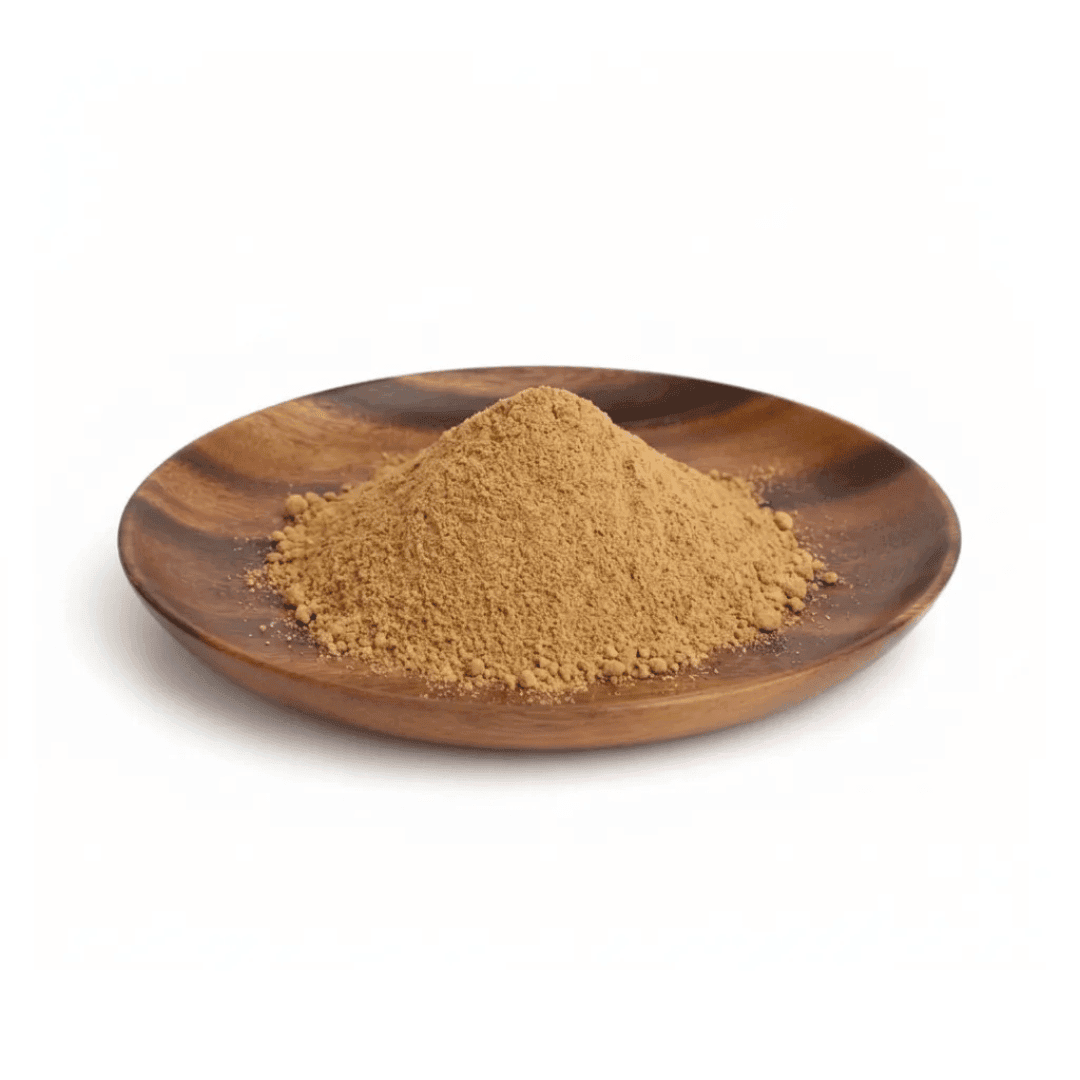
| Appearance | Brown powder |
| Odor | Characteristic |
| Particle Size | 100% pass 80mesh |
| Loss on Drying | ≤7.0% |
| Ash | ≤5.0% |
| Heavy MetalsAsPbCdHg | ≤10.0ppm≤2.0ppm≤2.0ppm≤1.0ppm≤0.1ppm |
| MicrobiologyTotal Plate CountYeast & MoldE.CoilSalmonellaStaphylococcus | ≤1,000cfu/g≤100cfu/gNegativeNegativeNegative |
TLC Spectrum
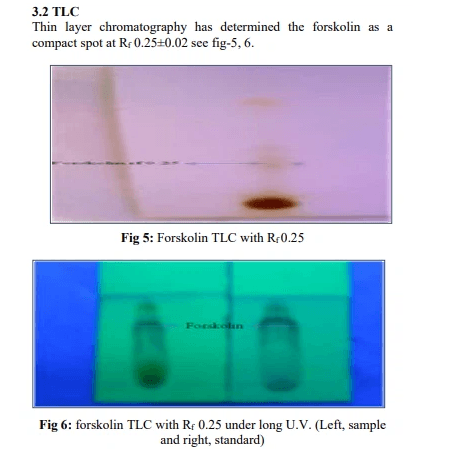 tlc pectrum
Method of Analysis
6.1 TLC Method
Using a UV6000LP detector with a Shimadzu RP18 column (150 × 4.6 mm, 5 µm particle size from Waters) at room temperature. The mobile phase includes water (A) and acetonitrile (B). The flow rate is set at 0.5 mL/min, with a gradient elution from 50A/50B to 43A/57B over 10 minutes, followed by holding at 43A/57B for 10 minutes. Each run is succeeded by a 5-minute wash with methanol and a 10-minute equilibration. Detection occurs at 210 nm, with an injection volume of 5 µL.
6.2 TLC Method
This method uses TLC aluminum plates precoated with silica gel 60F-254 and a solvent system of benzene:methanol (9:1, v/v).
- Stability and Safety
Stability: The product remains stable when stored under appropriate conditions, such as room temperature. A Stability Data Sheet can be provided upon request.
Safety: Based on available studies, it is considered safe for human use.
- Flow Chart
Coleus Forskohlii root → extraction → concentration → filtration → concentration → filtration → drying → testing → packaging