1. Introduction
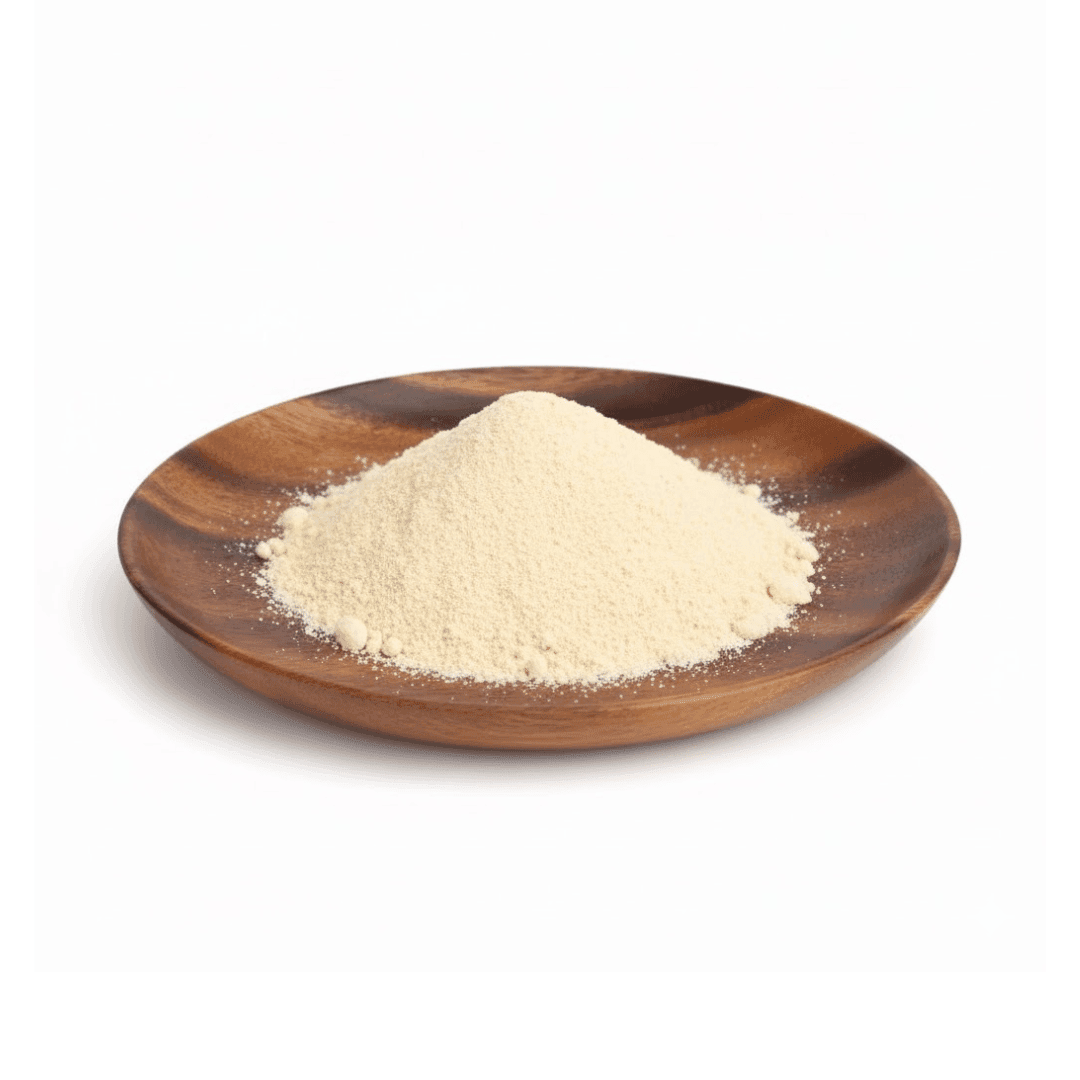
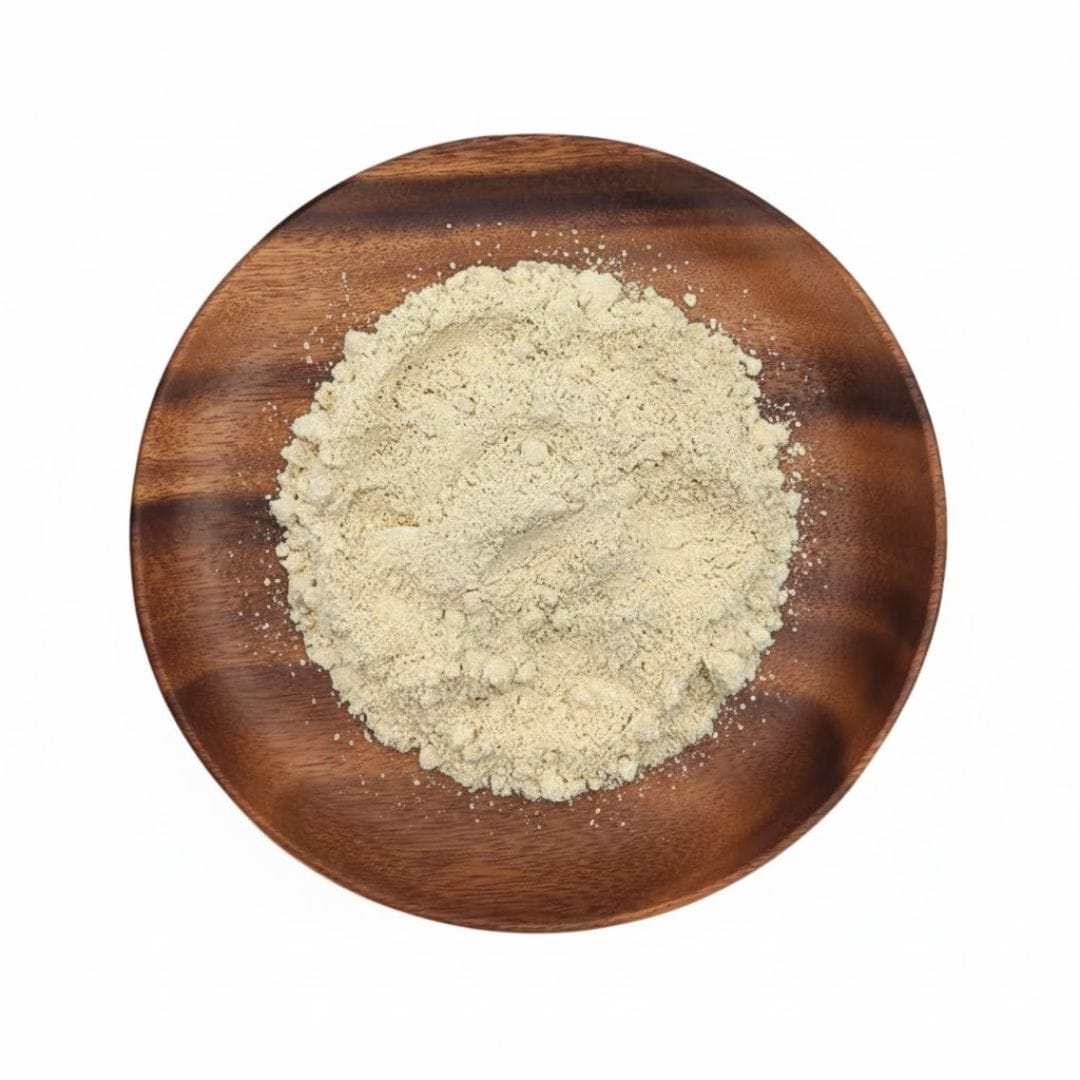
80% Quinoa Protein is derived from high-quality quinoa seeds. The nutritional profile of quinoa surpasses that of conventional grain crops. As a complete, whole-grain food source offering full-spectrum nutrition and protein, quinoa from the Chenopodiaceae family matches beef in protein levels, with quality comparable to animal and dairy proteins. It boasts an abundance of amino acids, including all nine essential ones required by the human body, plus numerous non-essential types—particularly lysine, which is rare in most grains. Quinoa is also packed with essential minerals, vital vitamins for metabolic health, and free from cholesterol and gluten. Its levels of sugars, fats, and calories remain notably low. Furthermore, it provides vitamins, polyphenols, flavonoids, saponins, and phytosterols that support various wellness benefits. With elevated protein content and unsaturated fats comprising 83% of its total lipids, quinoa serves as a low-fructose, low-glucose option that aids glucose and lipid metabolism.
2. Functions
Supports Digestive Regularity: Quinoa's high dietary fiber content absorbs water, expands to form bulk, and stimulates intestinal movement, facilitating smoother bowel function and alleviating constipation.
Helps Prevent Type 2 Diabetes: Featuring low fat, low calories, and a low glycemic index, quinoa contains enzymes that enhance glucose utilization and insulin production. Its fiber effectively slows sugar absorption rates, making regular intake beneficial for reducing type 2 diabetes risk.
Promotes Cardiovascular Health: Abundant in magnesium, quinoa addresses deficiencies linked to hypertension, coronary issues, and irregular heart rhythms, helping to ease vascular tension and safeguard heart health.
3. Applications
Quinoa protein primarily consists of albumins and globulins (44%-77% of total protein), with minimal gliadin and glutenin. This composition ensures excellent solubility and high bioavailability for human absorption. Animal studies confirm its superior solubility over typical grain proteins, ranging from 47% to 93%. Thanks to stable disulfide bonds, it retains its inherent properties and nutritional integrity during processing.
4. Specifications
| Test Item | Specification | Result |
|---|---|---|
| Description | Positive | Complies |
| Appearance | Fine Powder | Complies |
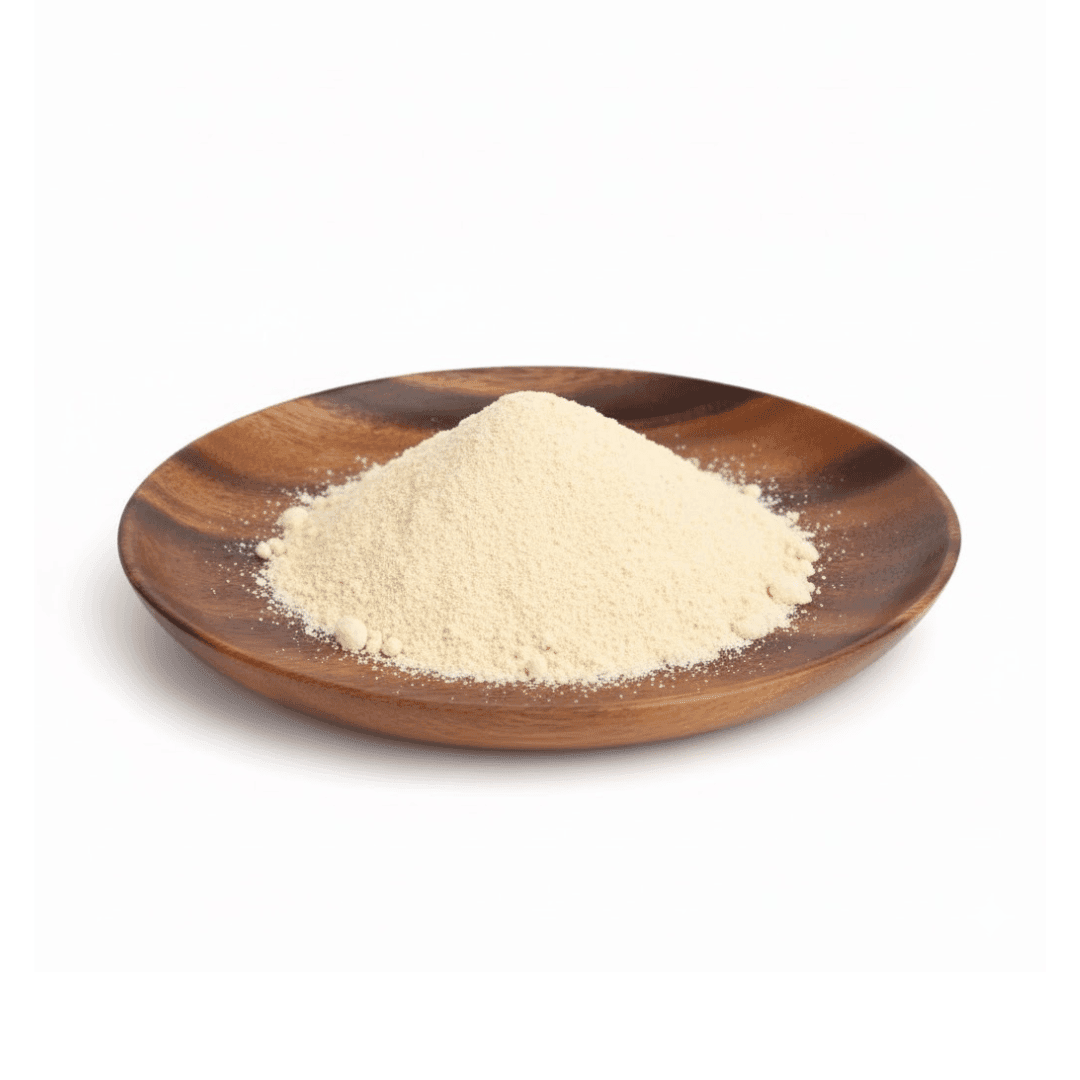
| Color | Off-white to yellow powder | Complies |
| Odor | Characteristic | Complies |
| Taste | Characteristic | Complies |
| Country of Origin | China | Complies |
| Protein | ≥80% | 80.22% |
| Fat | ≤3% | 2.9% |
| Water | ≤10% | 8.6% |
| Fibre | ≤10% | 6.55% |
| Mineral Elements | ≤3% | 1% |
| Impurities & Solvents Residue | <0.05% | Complies |
| Carriers Used | None | Complies |
| Loss on Drying | <5.0% | 3.92% |
| Ash | <5.0% | 2.88% |
| Heavy Metals | <5 ppm | Complies |
| Arsenic (As) | <0.5 ppm | Complies |
| Lead (Pb) | <0.5 ppm | Complies |
| Cadmium (Cd) | <0.05 ppm | Complies |
| Mercury (Hg) | Not Detected | Complies |
| Total Plate Count | <10,000 cfu/g | Complies |
| Yeast & Mold | <100 cfu/g | Complies |
| Salmonella | Negative | Complies |
| E. Coli | Negative | Complies |
| Staphylococcus | Negative | Complies |
5. Flow Chart
6. Test Method
7. Third-Party Quinoa Protein Analysis
8. Quinoa Protein NMR
Contact Botanical Essence at [email protected] to obtain the NMR data.
9. Stability and Safety
Stability: Remains stable at room temperature under appropriate storage. Stability Data Sheet available upon request.
Safety: Recognized as Generally Regarded as Safe (GRAS) by U.S. FDA standards, suitable for human consumption.
10. Customer Feedback
11. Our Certifications
For years, Botanical Essence has focused on refining production processes and implementing robust quality systems. We maintain a comprehensive quality management framework, backed by relevant certifications.
12. Our Clients
Botanical Essence has forged partnerships with leading firms including Abbott, Unilever, Shiseido, KANS, and SIMM, among others.
13. Exhibitions
Botanical Essence regularly participates in global trade shows such as CPhI, FIC, API, Vitafoods, and SupplySide West.