1. Introduction
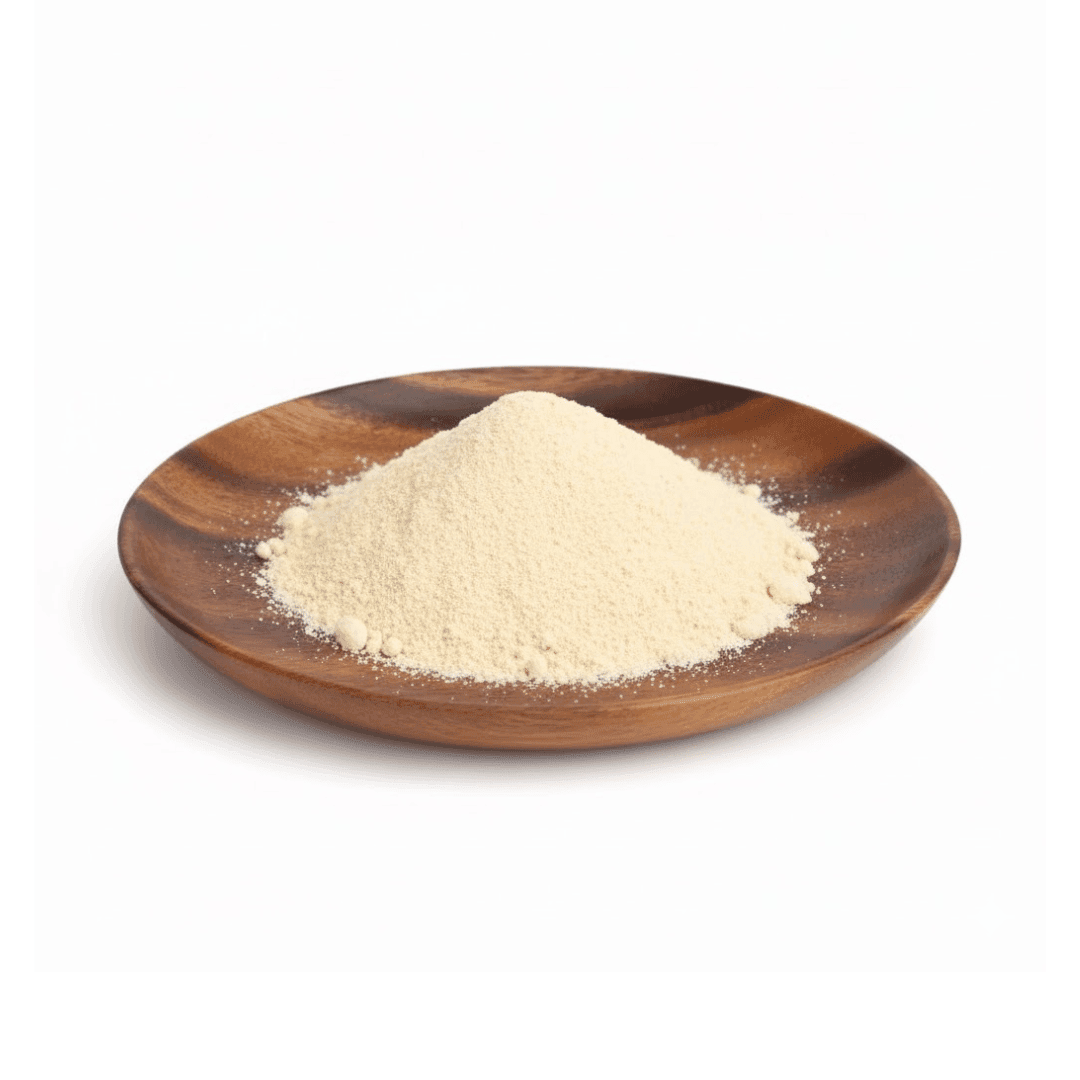
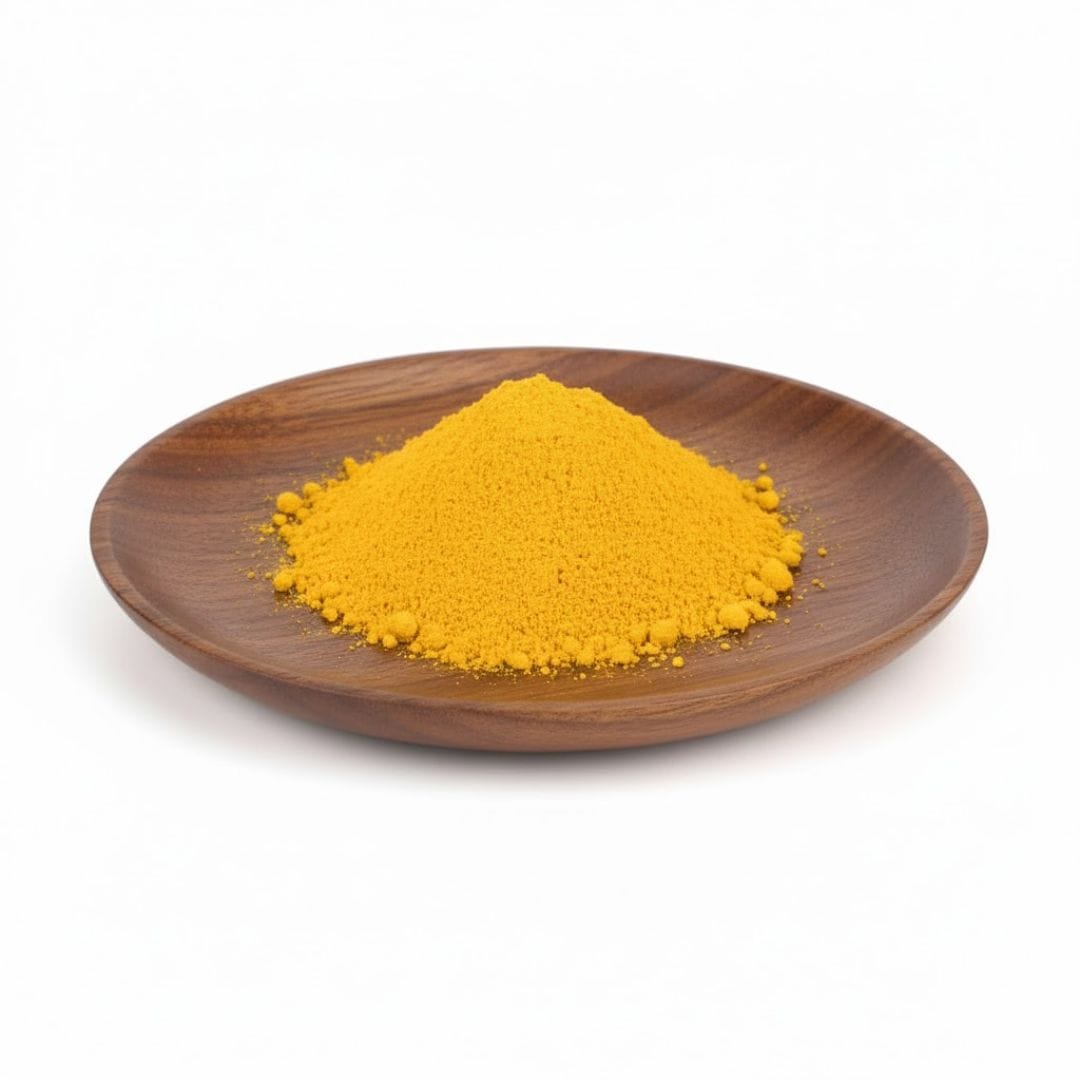
Aloe-emodin (CAS 481-72-1) is an anthraquinone derivative, chemically known as 1,8-dihydroxy-3-(hydroxymethyl)anthraquinone. It is primarily derived from the dried roots and rhizomes of plants in the Polygonaceae family, including Rheum palmatum L., Rheum tanguticum Maxim. ex Balf., and Rheum officinale Baill. As a key antibacterial agent in rhubarb, aloe-emodin targets a range of bacteria such as Staphylococcus, Streptococcus, diphtheria bacilli, hay bacilli, anthrax bacilli, paratyphoid bacilli, and dysentery bacilli, with Staphylococcus and Streptococcus showing the highest sensitivity. Additionally, it disrupts the synthesis of DNA, RNA, and proteins in cancer cells.
Available in purities of 50%, 90%, and 98%, it has a melting point of 223-224°C and readily sublimes. It dissolves in acetaldehyde, benzene, hot ethanol, dilute ammonia, sodium carbonate solutions, and sodium hydroxide solutions. It is soluble in hot ethanol, appearing yellow in ether and benzene, and scarlet in ammonia and sulfuric acid.
2. Functions
Aloe-emodin powder (CAS 481-72-1) serves multiple therapeutic roles and is applied in treating various conditions. It acts as a potent antioxidant, aiding in the repair of damaged skin cells, and is present in significant quantities in aloe vera.
2.1 Antitumor Activity
Recent research has highlighted the potential anti-tumor properties of aloe-emodin. Its effects span neuroectodermal tumors, liver cancer, squamous cell lung carcinoma, Merkel cell skin carcinoma, gastric cancer, leukemia, and others, demonstrating broad anti-cancer potential.
It suppresses P388 leukemia cell growth and extends survival times, partly by blocking DNA, RNA, and protein synthesis in tumor cells.
2.2 Antibacterial Activity
At concentrations between 1.5-25 mg/mL, aloe-emodin effectively combats Staphylococcus, Streptococcus, diphtheria bacilli, Bacillus subtilis, anthrax bacilli, paratyphoid bacilli, and dysentery bacilli, with the strongest action against Staphylococcus and Streptococcus at 15-25 μg/mL. In lab tests, it showed inhibitory effects on Staphylococcus aureus 209P, Escherichia coli, and Flexner dysentery bacilli at 7.5 mg/L and 600 mg/L, respectively. This activity stems from interfering with electron transport in the mitochondrial respiratory chain.
2.3 Purgative Effect
Aloe-emodin exhibits robust laxative properties. Intestinal bacteria convert it, along with rhein and chrysophanol, into metabolites with enhanced purgative action. Used clinically as a laxative, it promotes appetite and eases large intestine diarrhea. Medical literature indicates that aloin breaks down into aloe-emodin via gut bacteria, stimulating intestinal wall contractions and altering osmotic pressure to facilitate waste removal. This mechanism is particularly beneficial for constipation and hemorrhoids, showing pronounced results in middle-aged and elderly patients.
2.4 Immunosuppressive Effect
Aloe-emodin suppresses antibody production, carbon particle clearance, immune organ weight, white blood cell counts, and peritoneal macrophage activity. In lab settings, a 100 μg/mL concentration significantly reduced the uptake of [3H]-thymidine and [3H]-uridine in lymphocytes.
2.5 Other Reported Functions
It promotes soft, glossy hair, provides relaxation and invigoration, and helps eliminate dandruff. Mutagenicity assays on hamster fibroblasts indicate it possesses genotoxic potential. It also safeguards teak wood against termite damage.
3. Applications
Aloe-emodin finds extensive use across diverse products.
3.1 Skin Moisturization
Aloe-emodin hydrates skin cells, fades blemishes and acne marks, and maintains youthful, firm skin.
3.2 In Weight Management Beverages
Incorporated into numerous slimming drinks, aloe-emodin accelerates fat burning to support weight reduction.
3.3 Promoting Hair Growth
Rich in vitamins A, C, and E, aloe-emodin fosters healthy cell development and lustrous hair. It minimizes excess oiliness, features in various hair care formulations, and effectively removes scalp sebum.
3.4 For Pre-Diabetes Management
Aloe-emodin helps regulate blood sugar and cholesterol in pre-diabetic individuals. It addresses digestive issues through its anthraquinone glycosides, which alleviate constipation and other gastrointestinal disorders.
3.5 Enhancing Oral and Dental Wellness
With its anti-inflammatory and antimicrobial attributes, aloe-emodin safeguards the mouth against bacterial invasions. It mitigates inflammation and discomfort from conditions like oral submucous fibrosis when used regularly.
3.6 Minimizing Hair Loss
Featured in hair care treatments, aloe-emodin combats dandruff, enhances hair smoothness and shine, and soothes itchy scalps. It alleviates scalp irritation and reduces dandruff-related swelling.
3.7 Addressing Constipation and Cholesterol
As a potent laxative, aloe-emodin effectively resolves constipation. Studies confirm its efficacy in stabilizing blood sugar. Regular consumption also lowers bodily cholesterol levels.
3.8 Psoriasis Treatment
In psoriasis, where skin turns rough and scaly, aloe-emodin repairs damaged tissue, abrasions, and minor burns. It shows promise in treating severe conditions like lung cancer by inhibiting cancer cell proliferation.
3.9 In Beauty and Cosmetics
Thanks to its antibacterial and antioxidant qualities, aloe-emodin enhances beauty products, preserving skin vitality and hydration.
4. Specifications
| Item | Specification | Results |
|---|---|---|
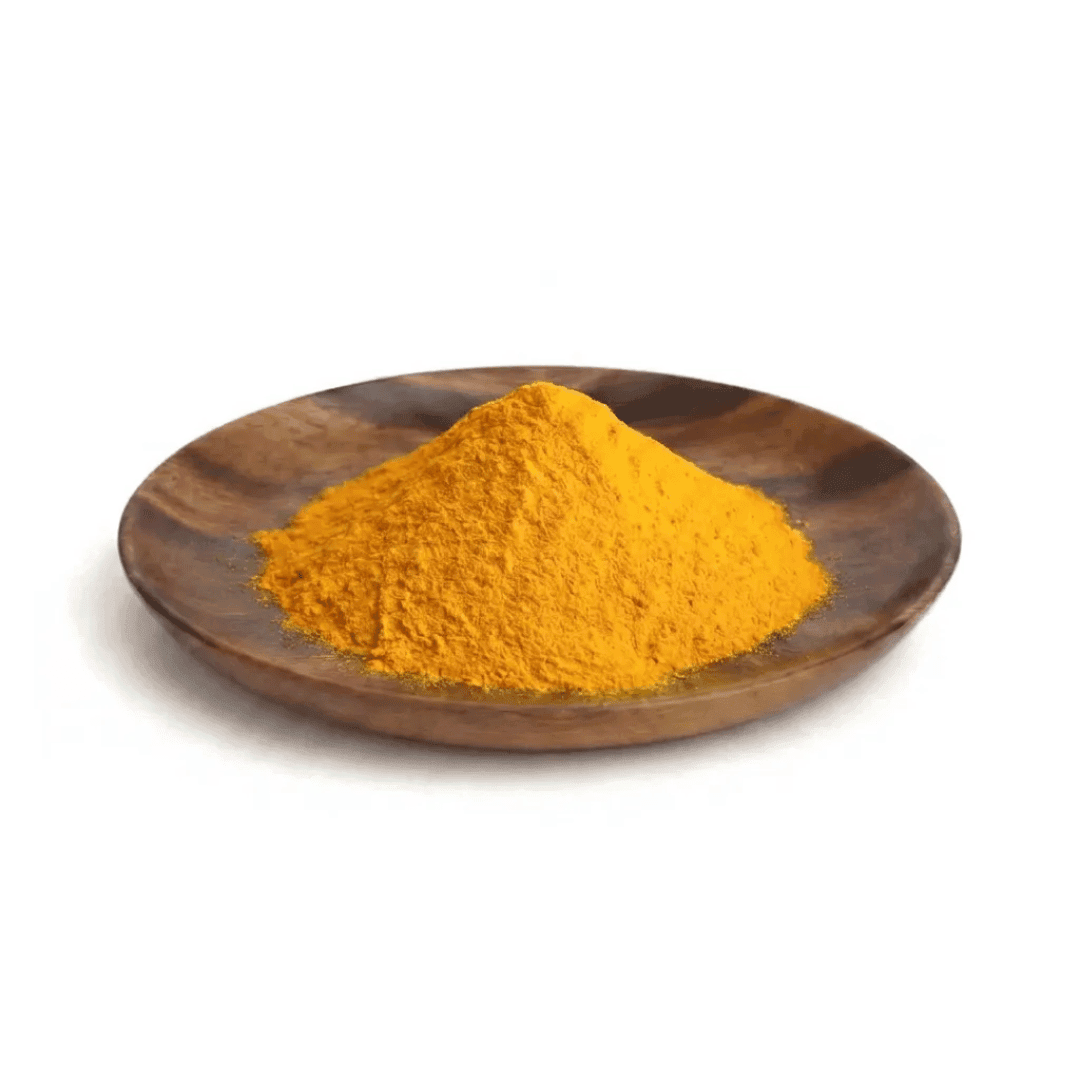
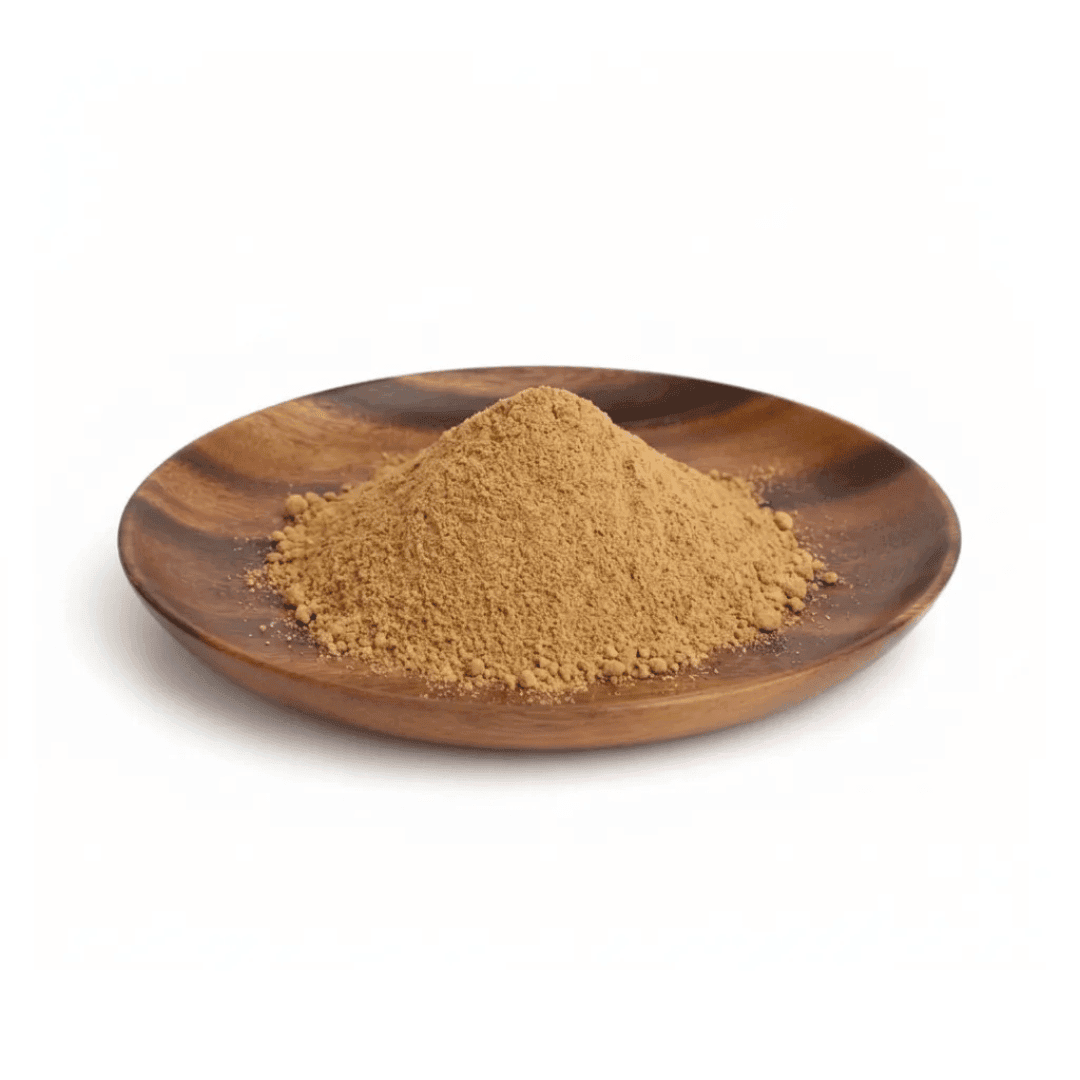
| Appearance | Brown to Brown Yellow Powder | Conforms |
| Solubility | Practically insoluble in water, soluble in Dimethyl acetamide | Conforms |
| Identification | Retention time of main peak identical with the working standard | Conforms |
| Loss on Drying | ≤3.0% | 1.05% |
| Total Ash | ≤1.0% | 0.65% |
| Total Heavy Metals | ≤20ppm | Conforms |
| Purity by HPLC | ≥95% | 98.48% |
Conclusion: Conforms with in-house standards.
5. Flow Chart
6. Stability and Safety
Extensive stability and safety evaluations have been conducted on this product. Accelerated and long-term data confirm its stable profile, while animal trials demonstrate its safety.
Aloe-emodin dissolves in acetaldehyde, benzene, hot ethanol, dilute ammonia, sodium carbonate solutions, and sodium hydroxide solutions. It is soluble in hot ethanol, yellow in ether and benzene, and crimson in ammonia and sulfuric acid.
7. Certifications
Botanical Essence has obtained certifications including HALAL, Kosher, ISO22000, HACCP, EU, and USDA Organic from accredited bodies.
8. Why Choose Us
Established in 2012, Botanical Essence is a prominent global pharmaceutical firm based in Xi'an, China. As a top producer of standardized herbal extracts and natural bioactive compounds for the pharmaceutical, nutraceutical, and cosmetics sectors, we prioritize generous profit margins for our distributors to foster shared success.
9. Our Clients
Botanical Essence has established itself as a vital supplier to renowned international food, pharmaceutical, and cosmetics companies, such as Comites and Johnson & Johnson.
10. Exhibitions
We regularly participate in global events like CPhI, FIC, Vitafoods, and SupplySide West to broaden our reach and promote the benefits of Botanical Essence products worldwide.
11. Customer Feedback
With warehouses in Miami, USA, and Italy, EU, plus online platforms on Alibaba for seamless transactions, these initiatives have been highly appreciated by our customers.