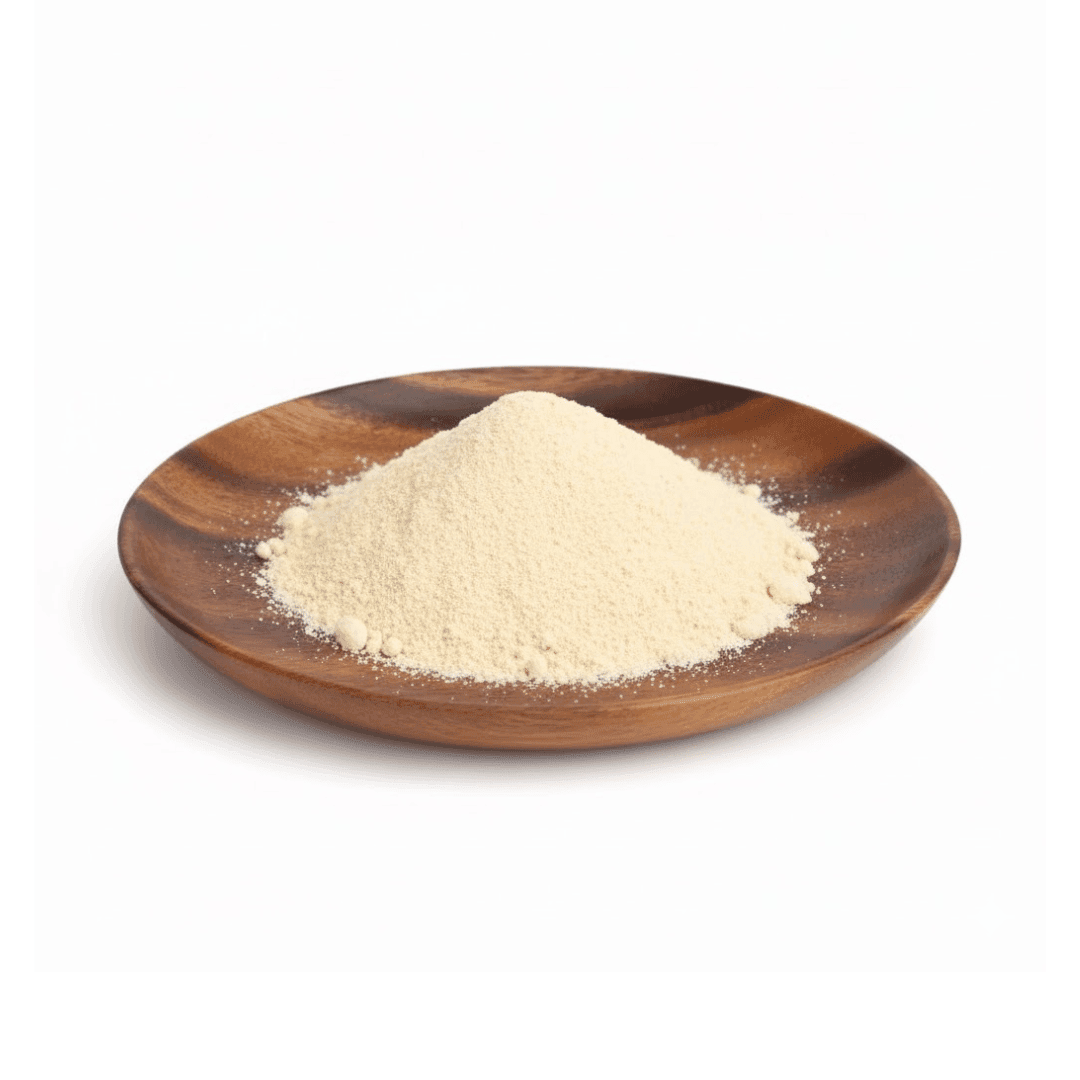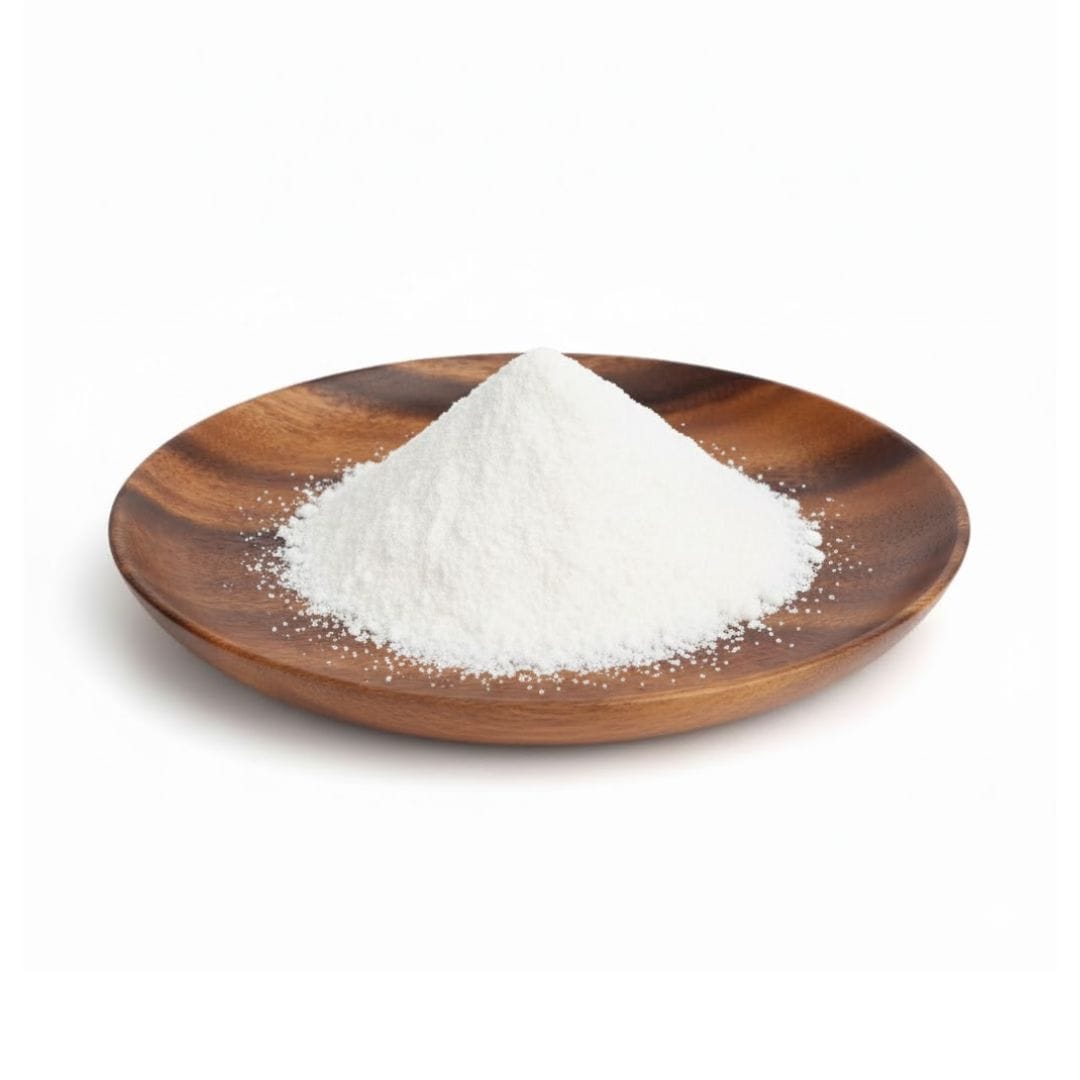
- Introduction
L-Tyrosine (CAS 60-18-4) is a non-essential amino acid generated naturally within the body from phenylalanine. It serves an essential function in synthesizing key neurotransmitters, such as dopamine, norepinephrine, and epinephrine.
These neurotransmitters contribute to numerous bodily processes, including mood regulation, stress handling, and mental acuity. L-Tyrosine also acts as a building block for thyroid hormones, which are vital for metabolic control.
Although L-Tyrosine can be sourced from foods like meats, seafood, dairy, and beans, certain people might struggle to produce sufficient amounts. Supplements can then provide the necessary levels.
Such supplements are frequently taken to enhance cognitive and physical capabilities, particularly during times needing greater concentration, awareness, and vigilance. They appeal to sports participants, learners, and those in demanding, stressful environments.
Moreover, studies have examined L-Tyrosine's possible advantages in addressing conditions like depression, ADHD, and Parkinson's disease, though additional investigations are required to confirm its efficacy.
- Function
L-Tyrosine powder acts as the primary substrate for tyrosinase activity in monophenol oxidation and forms the basis for creating eumelanin and pheomelanin. In whitening product development, blocking melanin synthesis can be achieved by developing tyrosinase analogs that rival L-Tyrosine.
For individuals with vitiligo, incorporating tyrosine-rich items can stimulate melanin production and alleviate symptoms.
It serves as a component in amino acid infusions and blended amino acid formulations, commonly applied as food additives. It's utilized in treating poliomyelitis, tuberculous encephalitis, hyperthyroidism, and related conditions. Additionally, it's a starting material for synthesizing diiodotyrosine, dibromotyrosine, and L-DOPA.
In amino acid formulations for medical use, it's incorporated into food supplements and infusions. For managing myelitis, tuberculous encephalitis, hyperthyroidism, and similar ailments, as well as producing L-DOPA, diiodotyrosine. When heated with sugars, it triggers the Maillard reaction to generate unique flavor compounds.
In biochemical studies, high-purity forms are employed medicinally for poliomyelitis, encephalitis, hyperthyroidism, and other disorders.
As an active pharmaceutical ingredient (API), it's classified among essential human amino acids.
The disodium salt form (L-Tyrosine·2Na·2H2O) is used in tissue cultures, biochemical assays, and hyperthyroidism therapy. It finds applications in senior nutrition, infant formulas, and plant leaf fertilizers.
- Application
L-Tyrosine is an amino acid the body employs to generate neurotransmitters including dopamine, norepinephrine, and epinephrine. It holds diverse uses in healthcare and wellness sectors. Key applications encompass:
Mental well-being aid: As a dietary supplement, L-Tyrosine supports conditions like depression, anxiety, and ADHD by potentially boosting neurotransmitter levels, thereby enhancing mood, concentration, and brain performance.
Stress relief: It's utilized to counter stress and build endurance, aiding in the creation of hormones like cortisol to better manage physical and psychological pressures.
Athletic enhancement: Fitness enthusiasts and competitors take it to boost output and combat exhaustion, promoting sharper focus, wakefulness, and mental sharpness amid strenuous exercise.
- Specification
| ITEMS | SPECIFICATIONS | RESULTS |
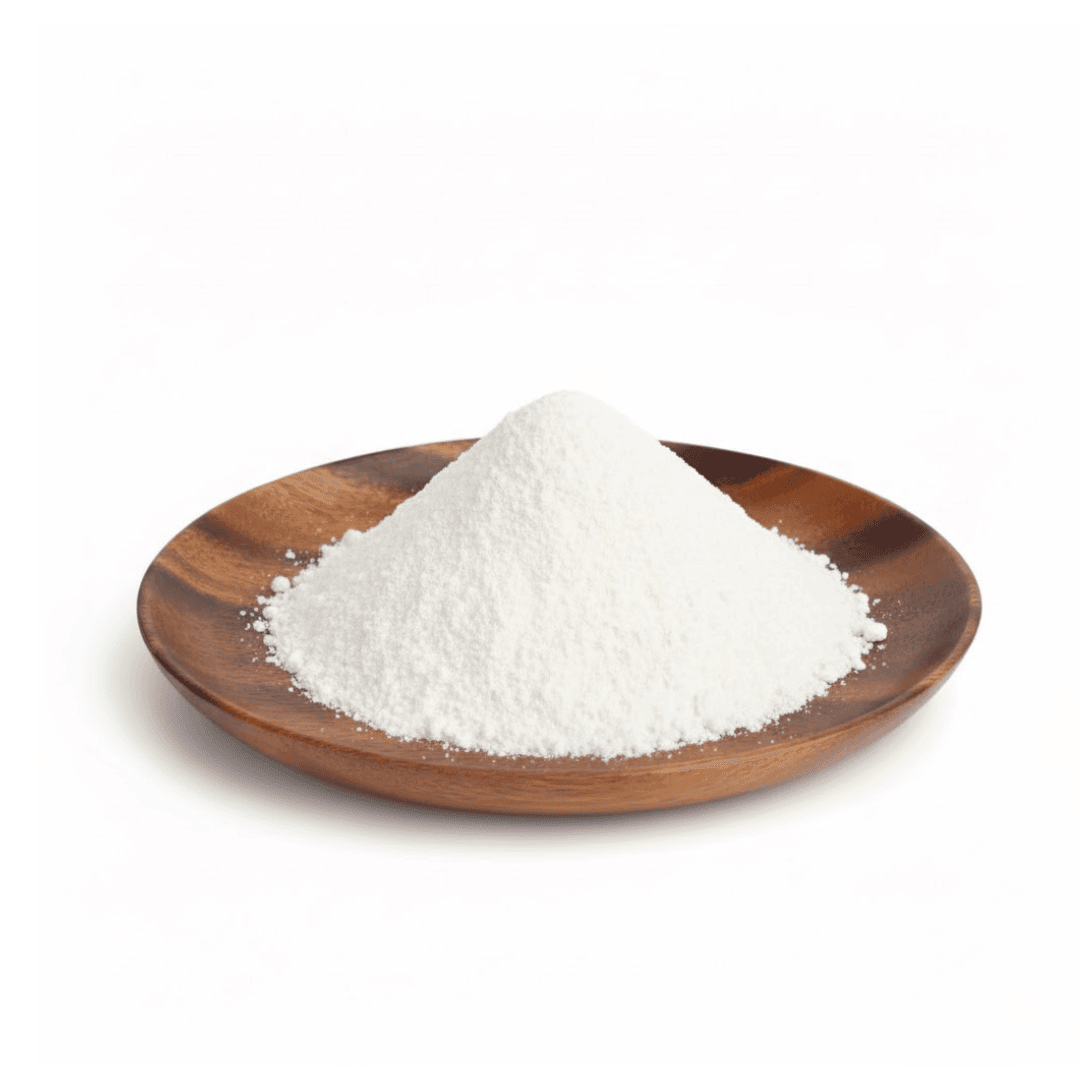
| Description | White crystalline powder | White crystalline powder |
| Solubility | Freely soluble in water and in glacial acetic acid, practically insoluble in acetone and in alcohol. | Consistent with the standard |
| Identification | Infrared absorption spectrophotometry(2.2.24); IR spectrum | Consistent with the standard |
| pH | 7.0~8.0 | 7.2 |
| Related substances Liquid chromatography(2.2.29) | Impurity A:≤0.1% | <0.1% |
| Impurity B:≤0.2% | <0.2% | |
| Any other impurity :≤0.1% | <0.1% | |
| All other impurity: ≤0.2% | <0.2% | |
| Heavy metals | ≤10ppm | <10ppm |
| Chlorides | ≤140ppm | <140ppm |
| Loss on drying | ≤0.5% | 0.38% |
| Sulphated ash | ≤0.1% | <0.10% |
| Assay(C11H14N2O3) | 99.0~101.0% | 99.80% |
- MOA
Accurately weigh approximately 0.15 g of the sample, dissolve in 6 mL anhydrous formic acid, then add 50 mL glacial acetic acid. Titrate with 0.1 mol/L perchloric acid. Perform a blank determination for accuracy. Each 1 mL of 0.1 mol/L perchloric acid equates to 18.12 mg of C9H11NO3.
- NMR
Reach out to us for the NMR data.
- Stability and Safety
Stability:
Remains stable at room temperature under appropriate storage. Stability data is provided on request.
Safety:
Per the U.S. GRAS (Generally Recognized as Safe) notification, it's deemed safe for human use.
- Our Certificates
For years, Botanical Essence has focused on refining production processes and building robust quality frameworks. We have implemented a comprehensive quality management system and secured relevant certifications.
- Our Clients
Botanical Essence has forged partnerships with leading names like Abbott, Unilever, Shiseido, KANS, and SIMM, among others.
- Exhibitions
Images from global events such as CPhI, FIC, API, Vitafoods, and SupplySide West.